Expert Opinions
UGM economist clarifies false claims that Indonesia is the world’s second poorest country.
UGM expert calls for precautionary planning of 1,582 new fishing vessels to prevent overfishing and protect fish stocks.
UGM prepares skilled human resources to support Indonesia’s nuclear power plant development plan.
UGM expert warns that leptospirosis cases are rising in Indonesia and can be fatal without prompt treatment.
UGM researcher urges early outreach and simplified reactivation after 11 million PBI JKN beneficiaries were deactivated.
Indonesia’s Press Freedom Index rises slightly, but UGM journalism professor warns that the fight for press freedom must continue.
RSA UGM doctor explains early signs, symptoms, and risks of Nipah virus infection and Indonesia’s preparedness measures.
UGM experts highlight the importance of cognitive health to help older adults remain active, independent, and productive in later life.
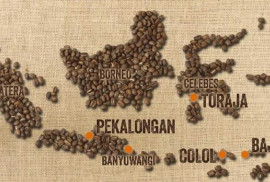
UGM lecturers explain that coffee antidiabetic compounds may affect blood sugar but cannot replace diabetes therapy, stressing wise, moderate consumption.
UGM lecturer warns that rising layoffs and informal work threaten social cohesion, urging inclusive policies and stronger social protection.
Violent teacher–student conflicts highlight how education liberalization and transactional school relations undermine safe, democratic learning spaces.
UGM experts urge vigilance against Nipah virus transmission and stress clean, healthy living to prevent zoonotic disease spread.
UGM economist urges stronger financial governance to curb Indonesia’s shadow economy and prevent tax leakages.
RSA UGM oncologist highlights the importance of early cancer detection to improve survival rates and prevent cancer-related deaths in Indonesia.
UGM sociologist says a child suicide case over school expenses reflects structural inequality and schools’ failure as spaces for dialogue.
UGM lecturer Dr. Ashar Saputra explains the technical, cultural, and sustainability factors behind choosing metal roofing over clay tiles.
UGM expert warns that a weak occupational health and safety culture has contributed to over 400,000 workplace accidents nationwide.
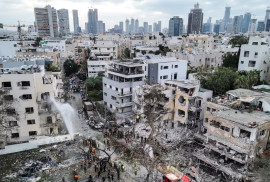
UGM expert warns that extreme weather increases flood and landslide risks and calls for preventive mitigation to reduce fatalities.
A UGM economist warns that 59 percent of Indonesian workers are informal and urges stronger employment and social protection policies.
UGM economist warns that lack of transparency has made Indonesia’s capital market vulnerable to speculative shocks and declining investor trust.
UGM sociologist urges culturally grounded law enforcement in Yogyakarta to strengthen social order through dialogue, participation, and justice.
Deforestation and land-use change around Way Kambas National Park are intensifying human–elephant conflict in Sumatra, experts warn.
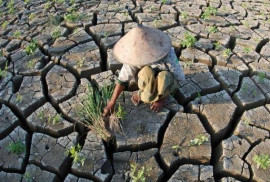
A UGM lecturer highlights the water–energy–food nexus as a key approach to sustaining agricultural productivity amid growing global pressures.
Long consumed in Indonesia, bamboo shoots are a source of fiber and bioactive compounds that may help reduce cholesterol and regulate blood glucose.
The competition for viral content on social media reflects more profound cultural shifts, reshaping emotions, meaning-making, and public discourse in the digital era.
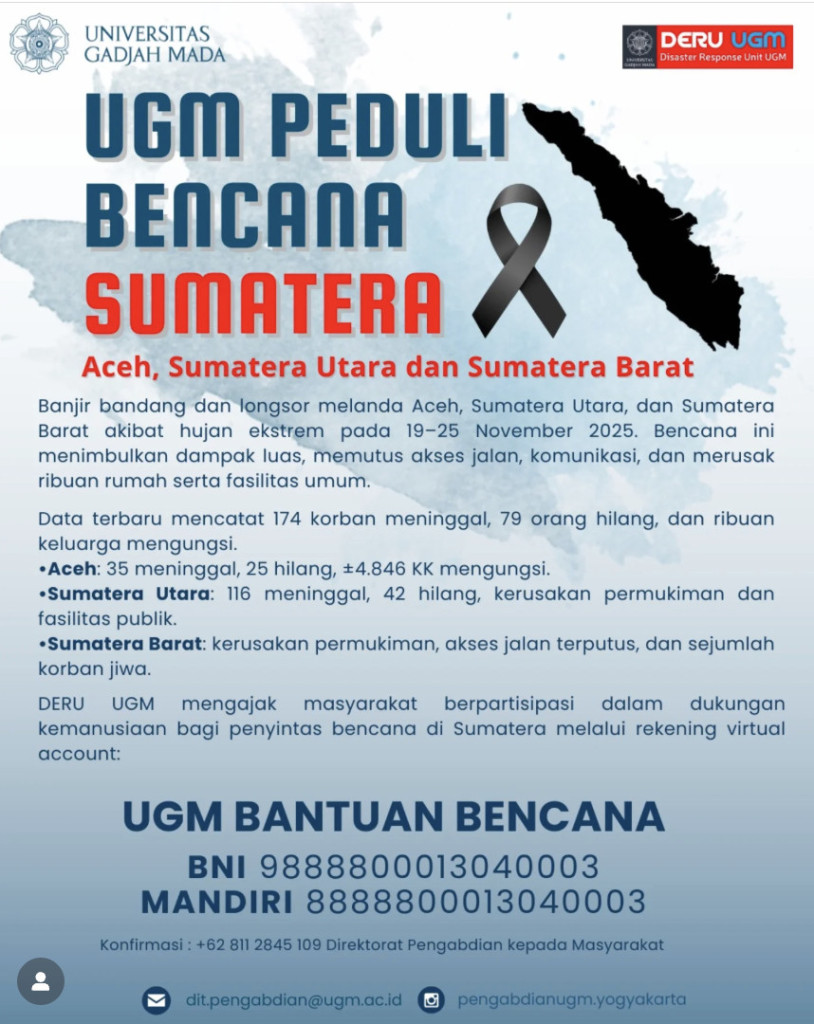
As thousands remain displaced in Aceh, a UGM psychology expert highlights trauma, loss, and adjustment as key challenges for survivors.
Rising global geopolitical uncertainty and expectations of US rate cuts are boosting gold prices as investors seek safe-haven assets.
UGM’s international relations expert criticizes Indonesia’s decision to join Trump’s Board of Peace, calling it a serious foreign policy blunder.
A UGM lecturer warns that the buying and selling of public offices signals weak governance and urges merit-based appointments at the village level.
As Indonesia targets garlic self-sufficiency by 2029, UGM’s experts urge the government to prioritize farmers’ welfare and price stability.