SDG 11: Sustainable Cities and Communities
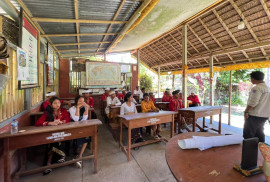
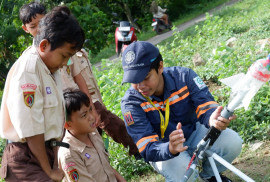
UGM students hold KAPSTRA Eco-Learning outreach on herbal medicine, TOGA planting, and eco-enzyme training to promote sustainable environmental practices.
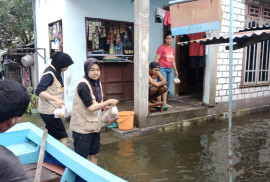
More than 200 UGM students were affected by floods in Sumatra as the Yogyakarta Government and universities coordinate aid and study support.
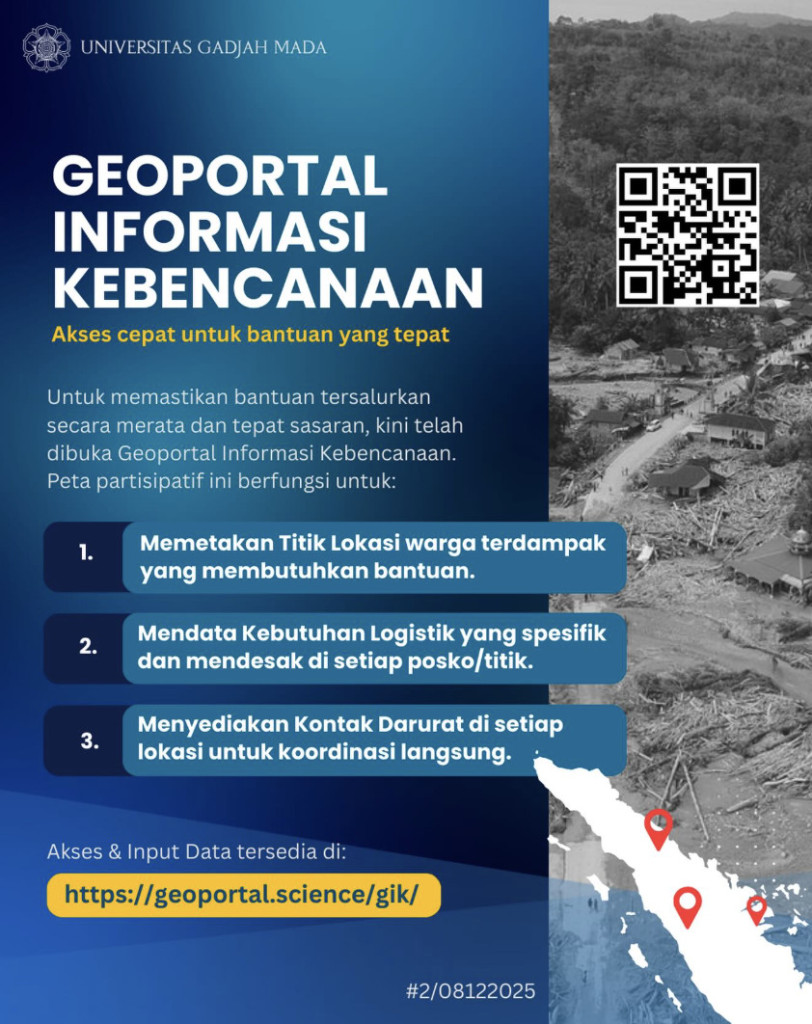
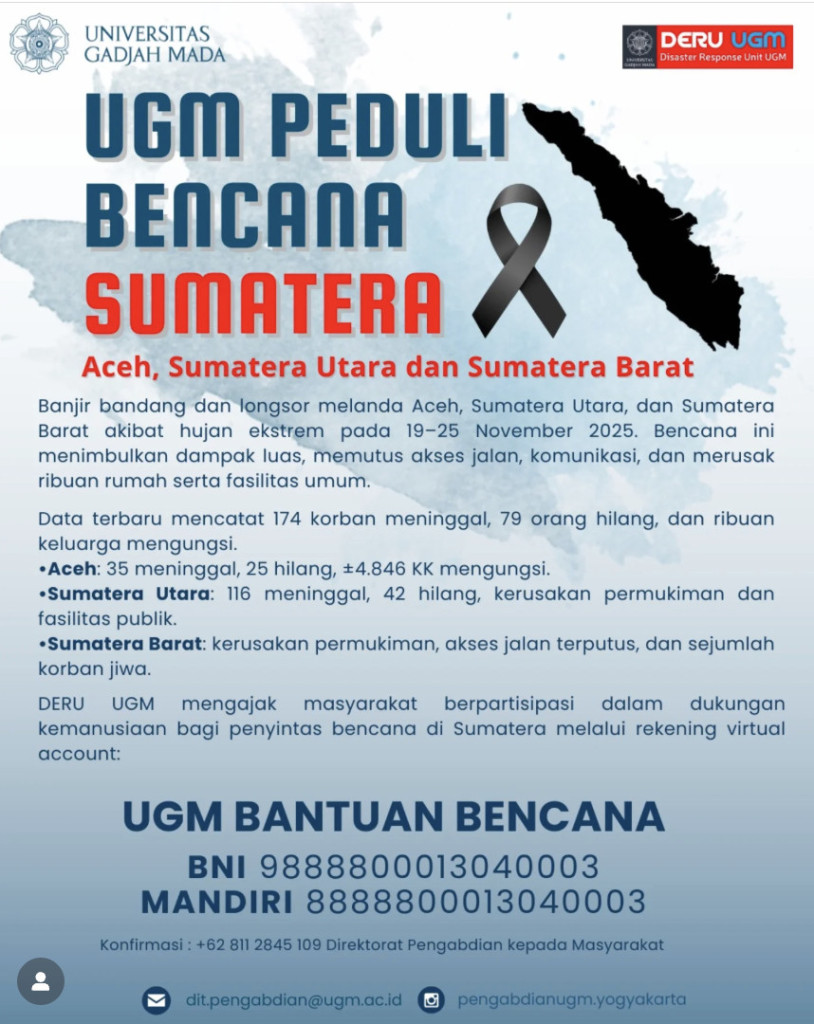
UGM, Kagama, and LPS raised Rp2.3 billion in donations to support victims of floods in Aceh, North Sumatra, and West Sumatra.
Deploying elephants to clear post-disaster debris may endanger their health and welfare, prompting calls for safer and more ethical alternatives.
Escalating multi-hazard disasters in Sumatra reveal the limits of emergency-only responses and call for stronger, cross-sector mitigation mechanisms.
Amid fiscal tightening and rising disaster risks, national and regional leaders stress moral leadership, green development, and collaboration.
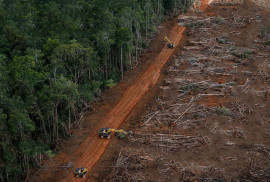
UGM expert warns that excessive forest exploitation weakens environmental resilience and heightens disaster risks, as seen in recent floods in Sumatra.
UGM psychology expert highlights the importance of psychosocial support and mental health services to help disaster survivors in Sumatra recover sustainably.
UGM expert highlights the urgency of meeting basic needs and providing psychosocial support to help Sumatra flood survivors recover with dignity.
UGM experts urge stronger mitigation capacity and technical readiness of local governments to reduce disaster risks amid extreme weather threats.
UGM experts explain how geology, climate change, and ecological degradation contribute to recurring flash floods across Sumatra.
UGM’s expert stresses the need for tiered governance in determining national disaster status amid floods and landslides in Sumatra.
UGM deploys medical teams to Sumatra to support emergency health response and assist recovery efforts for disaster-affected communities.
UGM hydrology expert explains the causes of recent flash floods in Sumatra and outlines urgent response priorities and long-term prevention measures.
UGM experts urge archipelago-based development to reduce disaster risks, highlighting Indonesia’s geological complexity and the need for science-led policy.
Integrating drones, artificial intelligence, and smartphones can speed up the search for disaster victims, a UGM expert says, amid Indonesia’s complex terrain.
UGM prepares data-driven psychosocial assistance for flood survivors in Aceh, focusing on rapid assessment, volunteer training, and targeted interventions.
UGM experts call for urgent reforestation, watershed rehabilitation, and stronger law enforcement to prevent recurring flash floods in Sumatra.
UGM expert warns that blue clay layers and new fractures in Pandanarum increase the risk of landslide dam failure and sudden flash floods.
FEB UGM shares best practices in sustainable education and launches a new Sustainability Management concentration at the MASUDEM Final Conference.
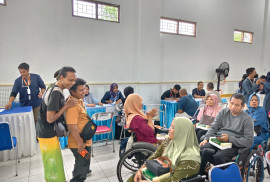
UGM deepens disability awareness training to strengthen its commitment to an inclusive campus and improve services for persons with disabilities.
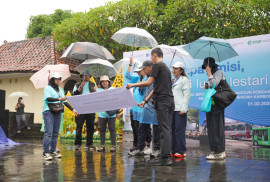
UGM students and community partners launched the RESIK and ROADMATE programs to improve coastal cleanliness and waste management at Parangtritis Beach.
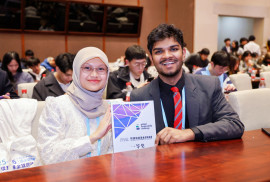
Eight UGM students join the 2025 Sookmyung UNESCO UNITWIN Workshop in Seoul to strengthen women’s leadership, digital skills, and entrepreneurship.
UGM geriatric expert calls for expanding gerontological nursing education to enhance professional standards and improve the quality of elderly healthcare in Indonesia.
UGM researchers develop a strategic plan to strengthen Murung Raya’s creative economy through policy, capacity-building, and market development.
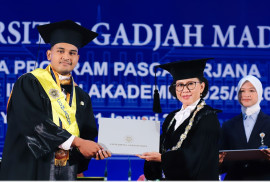
Trixi Karinina Dewi Sindhutomo graduated from UGM in 3 years, 27 days, with a thesis on Dutch social housing and policy learning for Indonesia.
Coordinating Minister Airlangga Hartarto outlines Indonesia’s downstreaming agenda, the digital talent needs, and the roles of universities in accelerating economic growth.
The 2025 launch of Equilibrium Magazine highlights Indonesia’s environmental challenges, energy transition issues, and the moral roots of the global Earth crisis.
UGM students develop SIKE, an AI-based smart kitchen system to improve the Free Nutritious Meal Program and turn food waste into renewable energy.
UGM empowers Dlingo forest farmers to convert wood biomass waste into biochar through training on sustainable agroforestry and rotary drum pyrolysis.