SDG 15: Life on Land
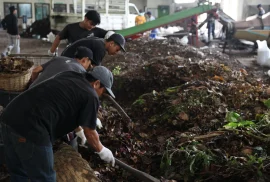
UGM strengthens PIAT as a micro-scale waste-management model and living laboratory for circular-ecosystem innovation.
UGM expert warns that halal certificate removal for US products could harm MSMEs, livestock sector fairness, and Indonesia’s food sovereignty.
UGM lecturer calls for stronger action to boost renewable energy and meet Indonesia’s energy mix target.
PARE Spring School 2026 at UGM promotes global collaboration on environmental and agricultural issues.
UGM launches HSSE guideline to improve workplace safety, health, and environmental protection on campus.
BRIN identifies 51 new species in 2025 as KOBI compiles 16,312 biodiversity records for Indonesia.
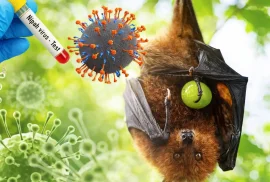
RSA UGM doctor explains early signs, symptoms, and risks of Nipah virus infection and Indonesia’s preparedness measures.
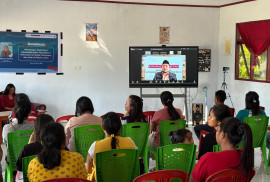
UGM KKN students collaborate with Komnas Perempuan to raise awareness of gender-based violence among women in Morotai, North Maluku.
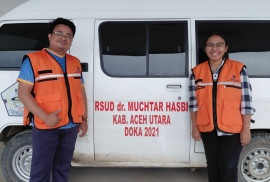
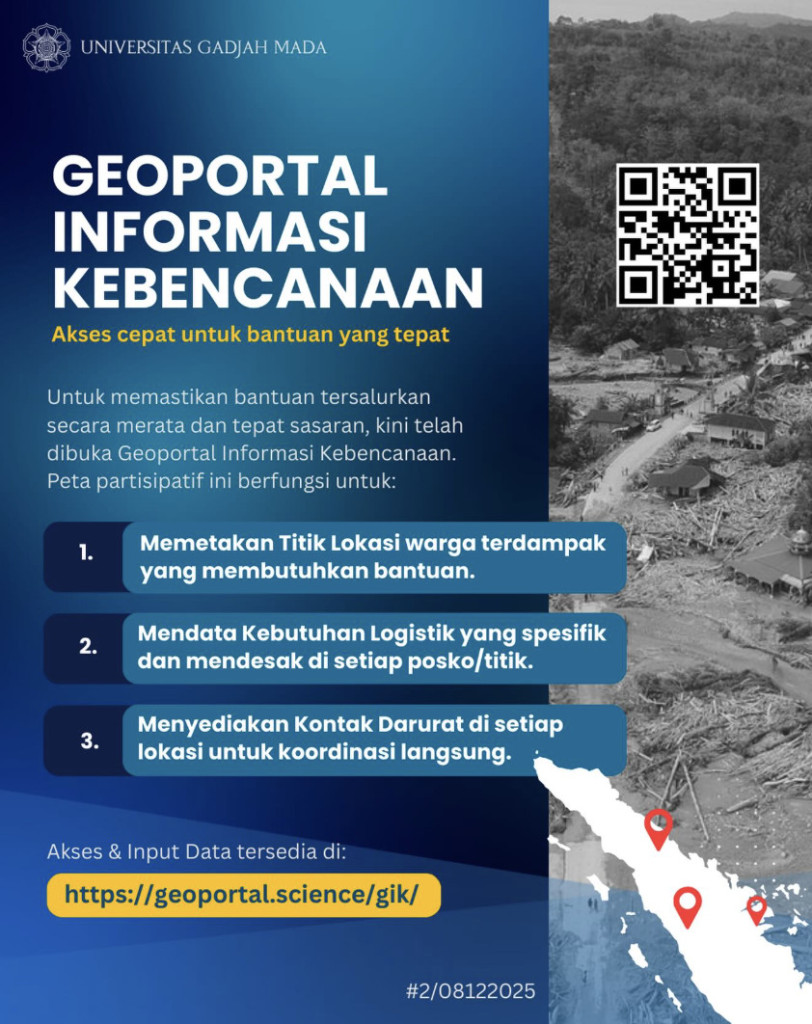
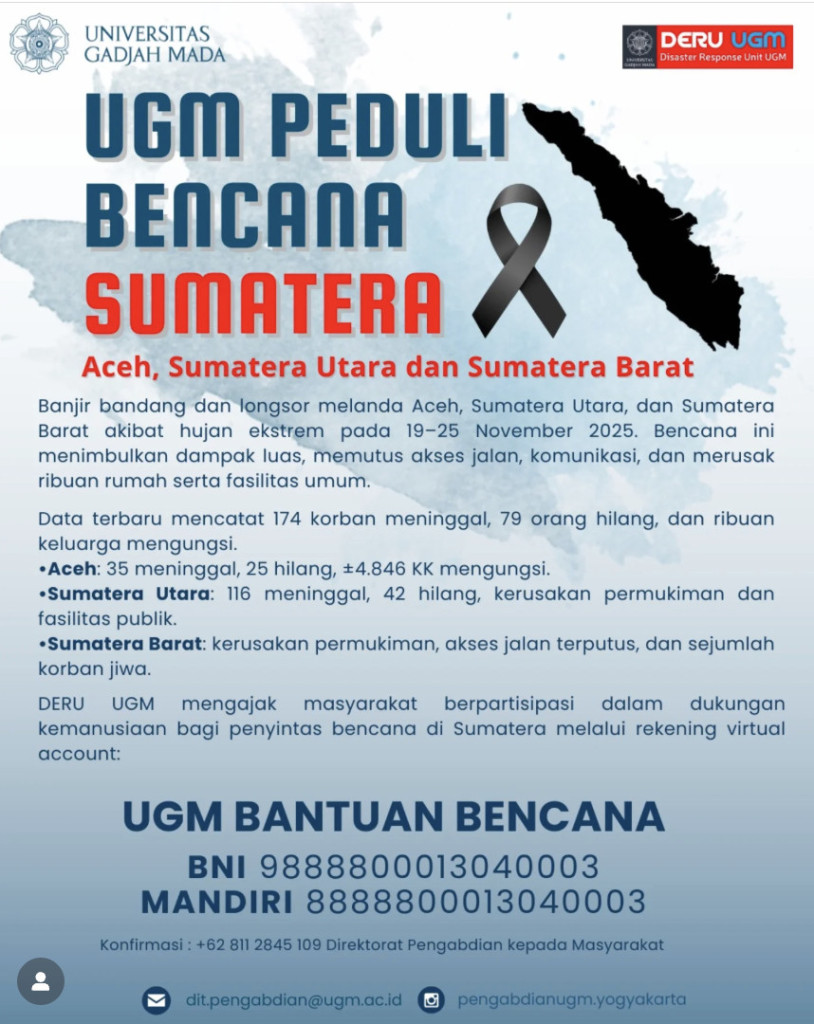
UGM nursing students join the AHS Emergency Medical Team to support health services for flood disaster refugees in North Aceh.
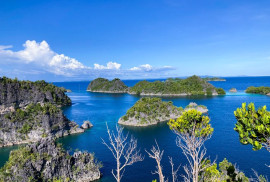
With 66 islands and rich Kei culture, UGM encourages Tual City to develop special interest tourism to strengthen maritime-based destinations.
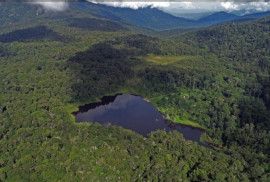
Indonesia’s vast biodiversity faces major threats, prompting UGM and BRIN to call for stronger, coordinated national biodiversity research.
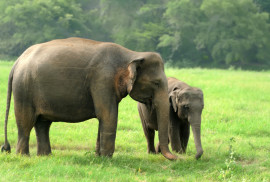
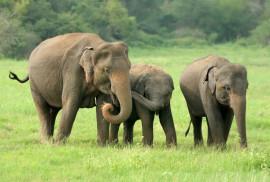
Deforestation and land-use change around Way Kambas National Park are intensifying human–elephant conflict in Sumatra, experts warn.
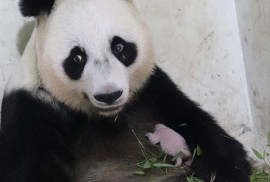
The birth of Indonesia’s first panda cub at Taman Safari underscores conservation success and strengthens the country’s global image in wildlife diplomacy.
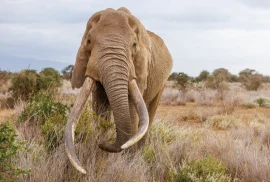
The death of Craig the elephant at 54 highlights successful conservation in Kenya, while UGM experts urge stronger habitat protection in Indonesia.
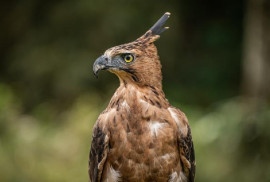
UGM lecturer warns the Javan eagle is nearing extinction and urges stronger conservation efforts and expanded habitats to protect ecosystem balance.
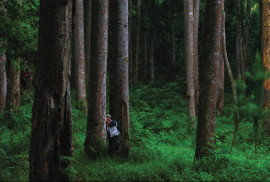
UGM academics highlight the importance of social approaches in forest management to strengthen climate mitigation, disaster resilience, and community welfare.
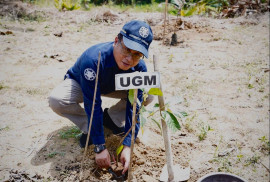
UGM KKN students plant Vanda tricolor orchids on Mount Merapi’s slopes to conserve endemic flora and develop edutourism potential.
UGM expert calls for vegetative rehabilitation and agroforestry after watershed degradation triggered deadly flash floods in parts of Sumatra.
Following floods in Sumatra, a UGM forestry academic urges reforms to address overlapping plantation and mining permits to strengthen forest governance.
Rising Hydrometeorological Disasters Signal Urgent Need to Accelerate Reforestation, Says UGM Expert
Amid rising hydrometeorological disasters, a UGM forestry expert urges Indonesia to curb deforestation and accelerate reforestation efforts.
UGM experts highlight the potential of maggot as a sustainable protein source for animal feed while supporting integrated waste management solutions.
UGM’s Patriot Expedition Team evaluates the Muting transmigration area to support sustainable, inclusive development in South Papua.
Experts urge the development of Indonesia’s new capital, IKN, to prioritize ecosystem sustainability and biodiversity conservation.
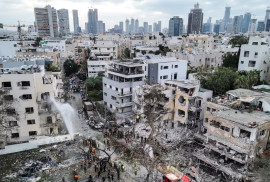
UGM establishes seven interdisciplinary working groups to accelerate hydrometeorological disaster response and long-term recovery in Sumatra.
KAFEGAMA distributes IDR 200 million in humanitarian aid to flood and landslide victims across four affected regions in West Sumatra
UGM Rector and Kagama Executive Board plant a Norfolk pine at GIK, reaffirming their commitment to environmental sustainability on campus.
UGM introduces Gamahumat, a lignite-based soil conditioner developed to restore degraded land, support food security, and advance sustainable agriculture.
UGM advances food security by downstreaming research innovations through Resona Saintek, connecting campus research with farmers and communities
UGM expert urges integrated, science-based conservation to save the critically endangered Javan leopard, as habitat loss, conflict, and prey decline are accelerating its risk.
UGM expert urges strengthened One Health measures after two tame elephants die in Way Kambas, highlighting ecological risks and gaps in the health system.