SDG 6: Clean Water and Sanitation
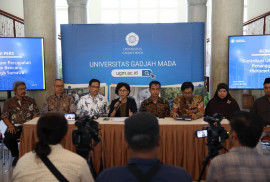
UGM Rector officially sends off the KKN-PPM Disaster Response student team to Aceh to support post-disaster recovery efforts.
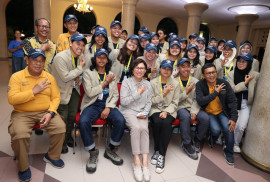
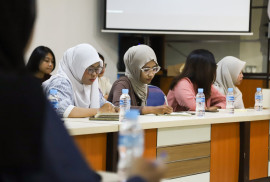
UGM deploys 30 student volunteers through the KKN-PPM Disaster Response program to support post-disaster recovery efforts in Aceh.
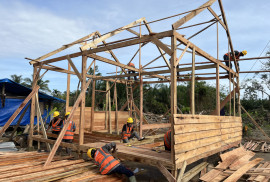
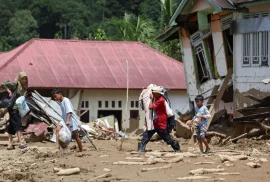
UGM builds 550 driftwood-based temporary shelters to help flood survivors in Aceh move from emergency tents to safe, healthy housing.
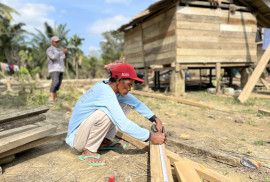
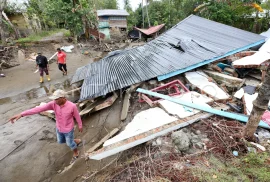
UGM strengthens post-flood recovery in North Aceh by building 100 temporary shelters while empowering residents through construction skills training
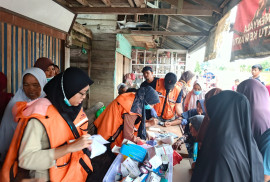
UGM deploys weekly medical teams to Aceh to support disaster response, strengthen health services, and reinforce local health system resilience.
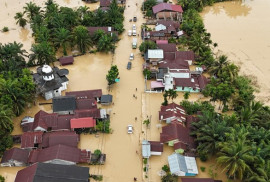
UGM establishes seven interdisciplinary working groups to accelerate hydrometeorological disaster response and long-term recovery in Sumatra.
UGM disaster expert urges comprehensive watershed inspections and stronger mitigation to prevent further flash floods in Sumatra during the rainy season.
UGM strengthens humanitarian contributions through disaster response, research innovation, community service, and global academic impact in its 76th year.
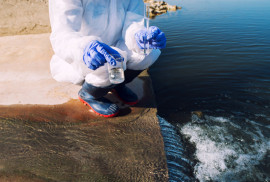
UGM develops Tripikon-S with micro-bubble aeration to manage household-scale wastewater and reduce pollution in Wirosobo Tourism Village.
UGM psychology expert highlights the importance of psychosocial support and mental health services to help disaster survivors in Sumatra recover sustainably.
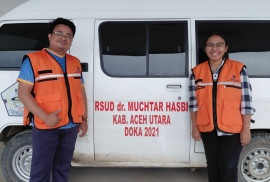
UGM deploys medical teams to Sumatra to support emergency health response and assist recovery efforts for disaster-affected communities.
UGM reviews a book on soil and water conservation, exploring legal frameworks, scientific insights, and community practices to strengthen sustainable governance.
Professor Eniya Listiani Dewi outlines four key government strategies to accelerate Indonesia’s energy transition toward the 2060 Net Zero Emission target.
UGM Professor, Teuku Faisal Fathani, brings decades of disaster mitigation expertise to his new role as Head of BMKG.
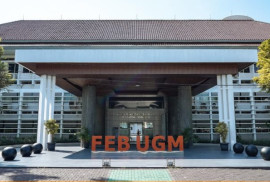
FEB UGM installs 17 infiltration wells on campus as part of its “save water” campaign to support sustainable groundwater conservation.
BMKG predicts a weak La Niña from October 2025 to January 2026, which may lead to increased rainfall in several Indonesian regions.
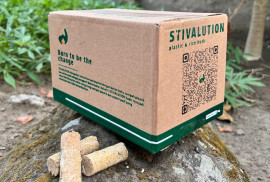
UGM Student Creativity Program for Entrepreneurship (PKM-K) team creates Stivalution, an eco-friendly bio-pellet fuel made from plastic waste and rice husks to support sustainable industries...
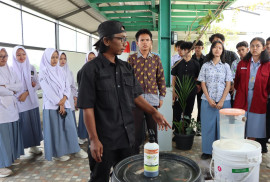
UGM and Bina Antarbudaya educate Yogyakarta high school students on sustainable household waste management.
UGM environmental health researcher Dr. Annisa Utami Rauf urges more decisive actions to reduce plastic use and prevent microplastic health risks.
Former Foreign Minister Retno Marsudi urges global cooperation to anticipate future water, food, and energy crises at Astechnova 2025.
UGM’s expert warns that students cannot detect unsafe food in the Free Nutritious Meal program and calls for stricter processing controls.
UGM students find that antipsychotic drugs may inhibit fungal resistance mechanisms, offering a new, affordable therapy against Candida albicans.
UGM students develop a community-based waste management model combining local participation and business innovation for sustainable solutions.
UGM’s Lokalogi Community launches a student waste bank to promote responsible consumption and waste management across campus.
UGM doctoral student studies remdesivir’s effectiveness in treating COVID-19, finding it works best within the first seven days of symptoms.
UGM expert Professor Wiratni explains the opportunities and challenges of Indonesia’s Waste-to-Energy project, planned to operate in 2027.
Child allergy cases in Indonesia continue to rise. A UGM pediatrician highlights causes, prevention, and the importance of accurate diagnosis.
UGM researchers investigate the impact of knife sharpness and certified halal slaughterers on chicken meat quality and animal welfare.
UGM and Pertamina inaugurated the Watu Macan Reservoir in Blora to support water conservation, community empowerment, and ecosystem sustainability.
Researchers from UGM, USU, and Universiti Malaya highlight strategies, innovations, and technologies to combat malaria and dengue in tropical regions.