SDG 9: Industry Innovation and Infrastructure
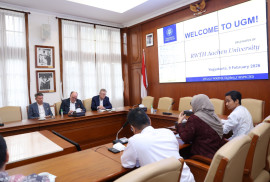
UGM and the University of Technology Sydney strengthen cross-border education and research ties through expanded doctoral and STEM collaboration.
UGM graduates 39 smart forest city experts through a special training program to support human resource development for Indonesia’s future capital, IKN.
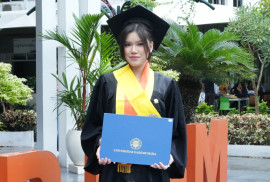
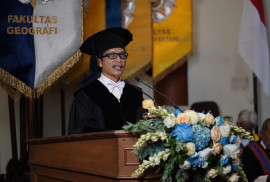
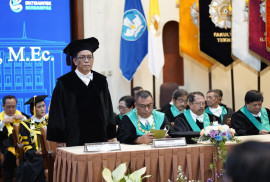
UGM graduates 1,061 postgraduate students, highlighting academic excellence, research impact, and leadership in higher education.
Semar UGM returns to the Shell Eco-Marathon 2026 in Doha, competing with innovative hydrogen and electric vehicles to represent Indonesia globally.
UGM Professor Ani Widiastuti teaches adaptive agriculture at Ibaraki University through a cross-appointment, strengthening international academic collaboration.
Indonesia’s push for energy independence faces key challenges as experts warn the nation stands between fossil fuel reliance and renewables.
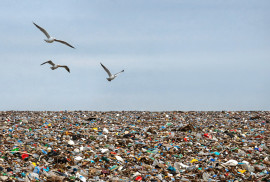
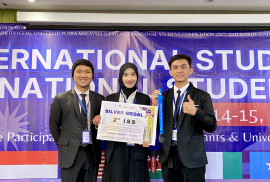
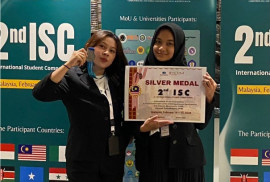
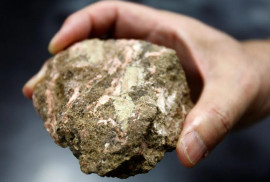
UGM students win a Gold Medal at I2ASPO for developing low-cost carbon capture technology using PET plastic waste and zeolite materials.
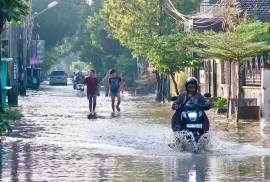
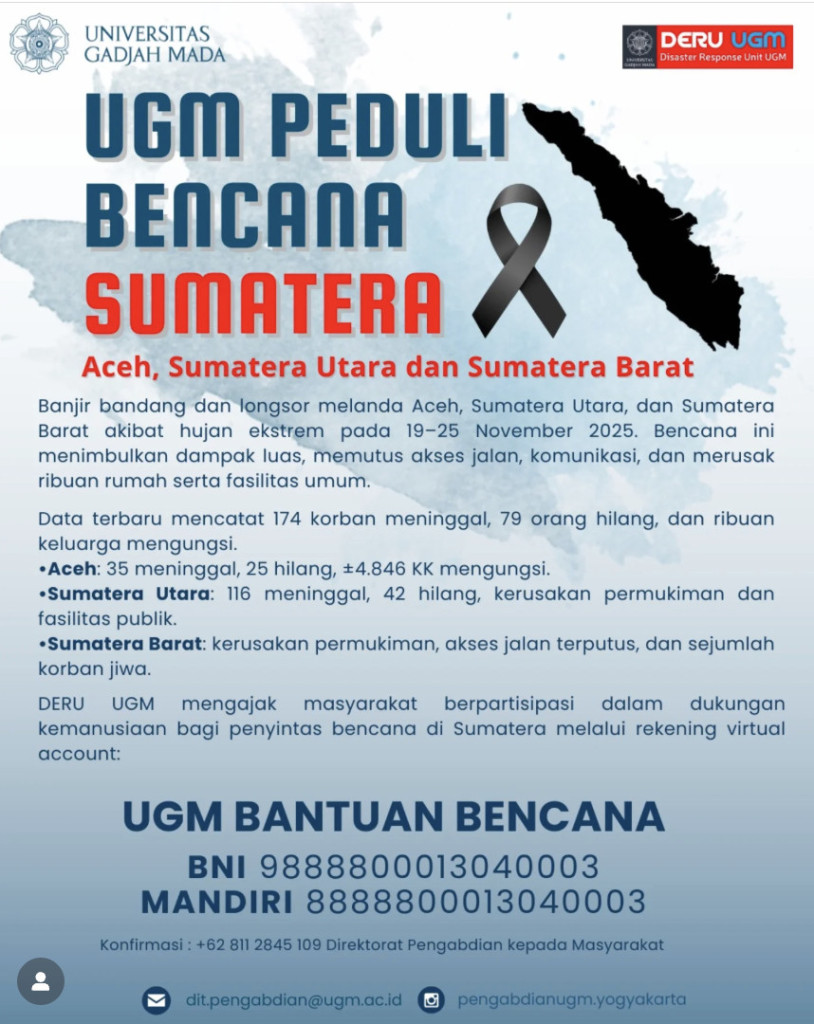
UGM builds 550 driftwood-based temporary shelters to help flood survivors in Aceh move from emergency tents to safe, healthy housing.
UGM researchers develop high-nutrient, affordable green fodder products to support livestock productivity through downstream research innovation.
A UGM economist warns that proposed cuts to coal production may have a limited global impact and could reduce Indonesia’s state revenue.
A UGM doctoral student joins academic programs at NTUA, Greece, to strengthen international research collaboration in waste management and sustainability.
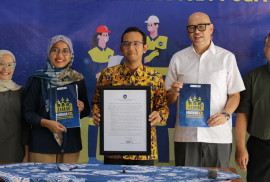
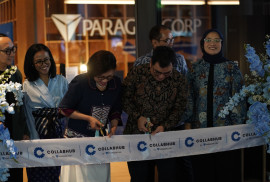
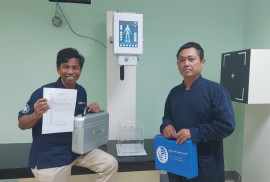
UGM and the Mayapada Group agree to collaborate in education, research, and community service, including the development of research facilities at RSA UGM.
UGM installs a solar-powered flood early warning system in Bener Meriah, Aceh, to help communities anticipate recurrent flooding risks.
UGM research explores sustainable buffalo production systems in Gayo, Tapanuli, and Kalimantan to support national food self-sufficiency.
Premium hydroponic melon research supports sand-land farmers, boosts productivity, and develops value-added products for food resilience.
UGM’s Center for Energy Studies (PSE UGM) distributes portable solar power units to support emergency energy needs in disaster-affected areas of Aceh.
UGM awards a doctorate for research on virtual reality technology to enhance midwives’ knowledge and skills in managing postpartum hemorrhage.
UGM commits to mentoring Universitas Negeri Padang in establishing a Dentistry Study Program to strengthen dental health education in Indonesia.
UGM received 14 awards at Anugerah Diktisaintek 2025, including a Silver Winner for impactful collaboration with government and civil society.
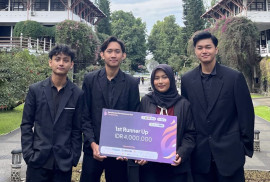
A UGM student team secured first place in the Escoration essay competition with an innovation that turns chicken waste into sustainable feed supplements.
UGM lecturer Sri Rahayoe wins the 2025 Diktisaintek Award for applied research on soft palm sugar production technology for small industries.
UGM begins building temporary shelters for flood survivors in North Aceh, marking the start of a community-based post-disaster housing recovery phase.
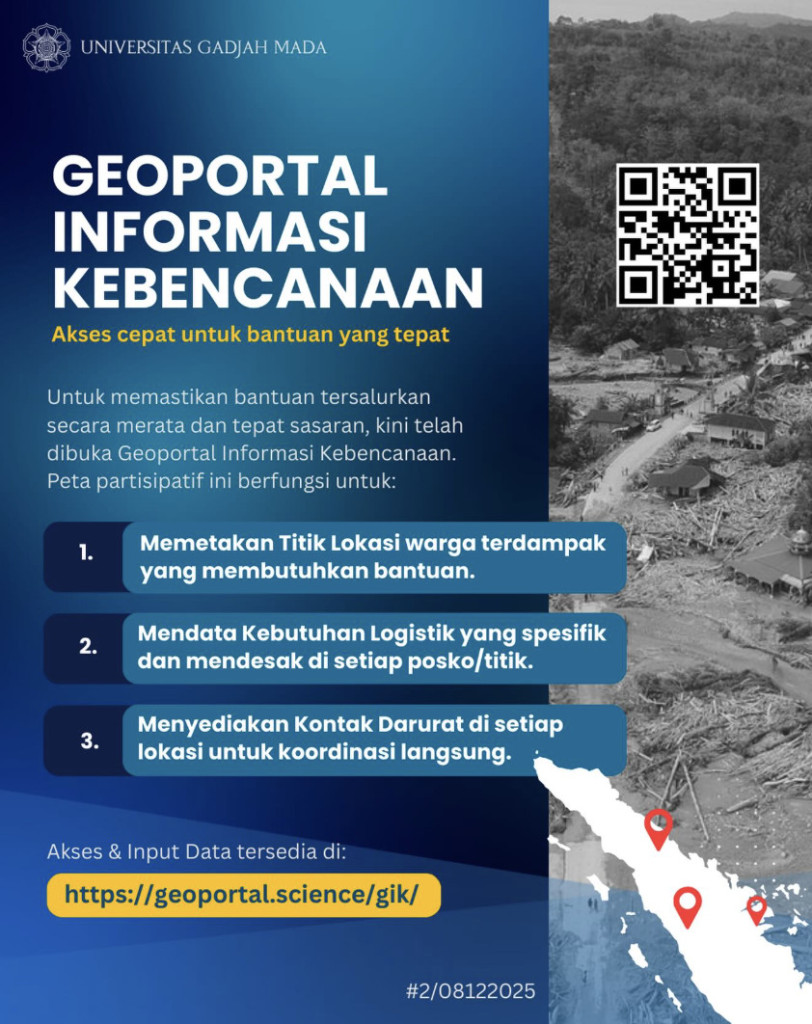
UGM researchers develop a spatial data-based disaster geoportal to support emergency response and improve the accuracy of aid distribution in Sumatra.
UGM researchers develop a geomembrane-based irrigation system to improve water efficiency and boost rice productivity in dryland areas such as Gunungkidul.
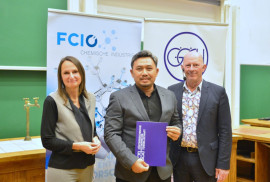
France partners with GIK UGM to advance the France–Indonesia Innovation 2026 program, strengthening collaboration in innovation, talent, and creative industries.
UGM’s Gamantaray team wins first place in the Electric Remote Control category at the 2025 Indonesia Ship Contest with Gamanave.
UGM’s Patriot Expedition Team evaluates the Muting transmigration area to support sustainable, inclusive development in South Papua.
Only 5% of Indonesian universities are research-oriented. Experts urge stronger community engagement to ensure higher education delivers real impact.
Applying Indonesian National Standards (SNI) helps MSMEs improve quality, gain consumer trust, expand markets, and strengthen global competitiveness.
UGM, UTU, and PNL deploy a solar-powered water purification system in Bener Meriah to strengthen healthcare services in disaster-affected areas.