


Agriculture in many countries is facing increasing pressure. Population growth continues, weather patterns are becoming increasingly unpredictable, and food demand continues to rise. At the same time, the availability of water and energy, key pillars of food production and distribution systems, is becoming more limited, and agricultural management can no longer proceed as it has in the past. Indonesia is also experiencing similar challenges, as its agricultural sector remains highly dependent on natural resources.
Efforts to manage agriculture more integratively are regarded as one response to this situation. This idea was explored in a study titled Optimizing Water–Energy–Food Nexus: Achieving Economic Prosperity and Environmental Sustainability in Agriculture, published in 2023 in the Q1-ranked international journal Frontiers in Sustainable Food Systems.
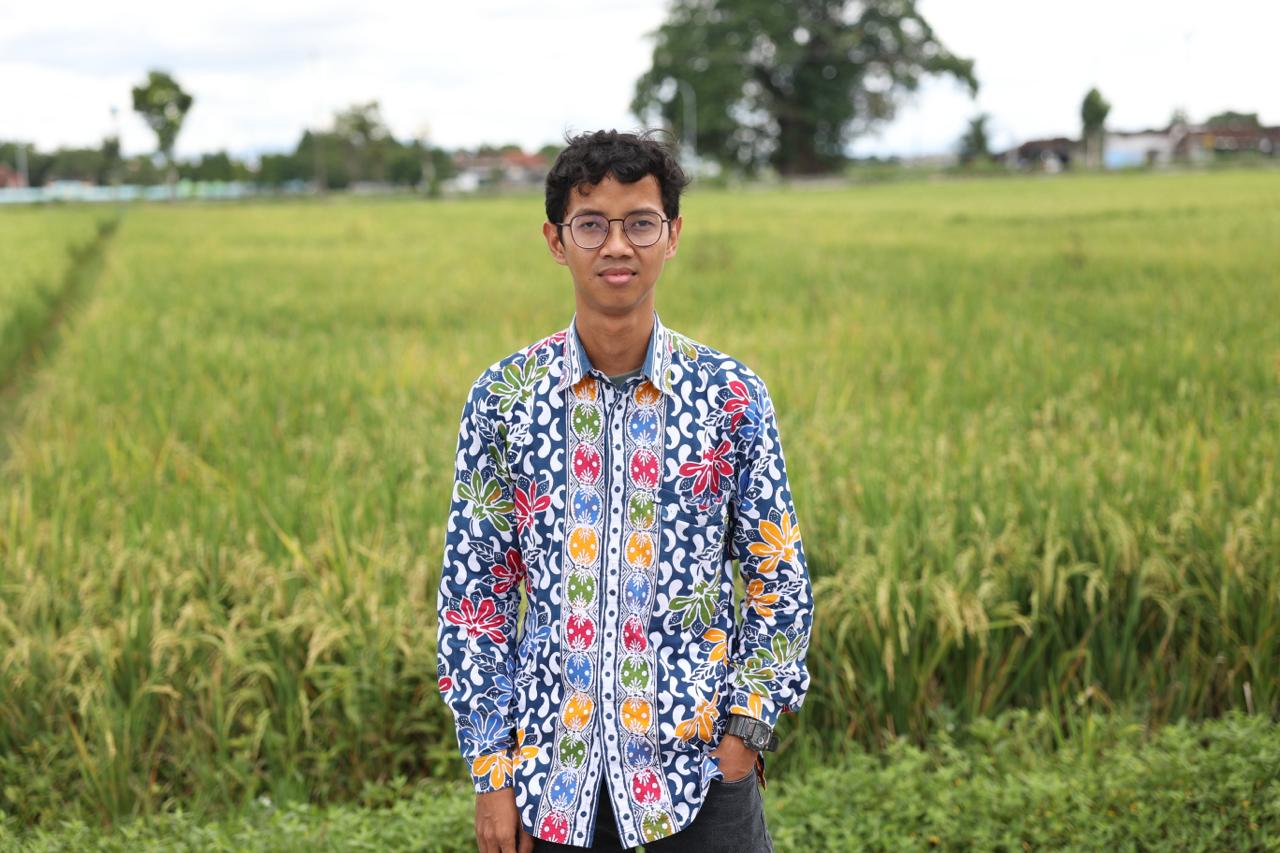
The research conducted by Dr. Andrianto Ansari, a lecturer at the Faculty of Agriculture, Universitas Gadjah Mada (Agriculture UGM), in collaboration with an interdisciplinary team, highlights the close interconnections among water, energy, and food management in modern agricultural systems.
This perspective is considered relevant in offering new directions for sustainable agricultural development in Indonesia.
According to Dr. Ansari, the water–energy–food nexus approach views agriculture as an interconnected system. Water is essential for cultivating and producing food, while energy supports irrigation, post-harvest processing, and distribution.
He explained that when one element is disrupted, the effects are felt across the entire system.
“Water, energy, and food reinforce one another and cannot be managed separately. In food production processes, the three operate as an integrated whole,” he said on Tuesday (Feb. 3).
This approach is also closely linked to the concept of a circular bioeconomy. Within a circular bioeconomy framework, agricultural waste is no longer seen as mere residue to be discarded. Instead, it can be processed into energy, biofertilizers, or supporting inputs for production.
This method helps reduce waste while protecting the environment. With proper management, agricultural by-products can once again add value to the food system.
“The reuse of biological resources makes agriculture more efficient without reducing productivity,” Dr. Ansari explained.
Dr. Ansari noted that, despite its many opportunities, implementing an integrated approach remains a significant challenge. Coordination between sectors often remains misaligned. Limited technology and infrastructure are obstacles, particularly in areas with restricted access.
These conditions are most acutely felt by smallholder farmers without adequate support, and they risk seeing field-level initiatives become unsustainable.
“An approach like this cannot work in isolation. It requires policy support and collaborative efforts from multiple stakeholders to be truly implemented. Otherwise, initiatives on the ground often stall halfway,” he said.
Beyond technical challenges, social and cultural factors also influence success. Changes in farming practices and resource management are not always easily accepted, especially when they involve long-established habits.
Some farmers require tangible examples before they are willing to try new approaches. Adaptation processes also vary across regions, requiring time, assistance, and shared understanding.
“Change in agriculture is not just about tools or technology. What matters most is whether the community is ready. When farmers feel involved and supported, the process usually runs much more smoothly,” Dr. Ansari remarked.
The study underscores the importance of adopting a new perspective in agricultural development. Integrating water, energy, and food management opens opportunities to maintain productivity while preserving environmental sustainability.
This approach is becoming increasingly relevant amid growing global pressures. With balanced management, agriculture can continue to grow without depleting natural resources.
“How we manage resources today will greatly determine the future of agriculture. Decisions made now can have impacts that are felt for years to come,” Dr. Ansari concluded.
Author: Triya Andriyani
Post-editor: Jasmine Ferdian
Photographer: Dr. Andrianto Ansari & Firsto Adi