


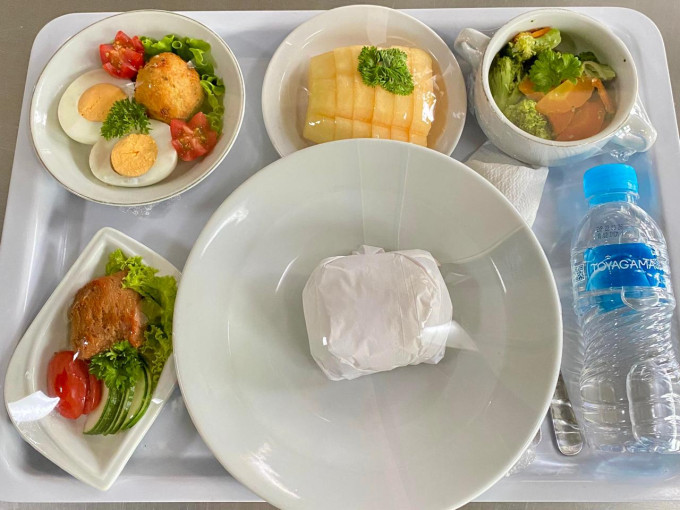
The month of Ramadan is often seen as a momentum to improve lifestyle habits, including dietary regulation and weight control. The limited eating window from dawn to sunset is frequently considered an opportunity for weight loss.
However, changes in eating patterns during fasting can also trigger weight gain if menu choices and calorie intake are not properly controlled. Therefore, managing energy intake remains a determining factor in ensuring fasting has a positive impact on health.
Head of the Nutrition Installation at Universitas Gadjah Mada Academic Hospital (RSA UGM), Pratiwi Dinia Sari, explained that, scientifically, fasting has the potential to support weight loss. Time-restricted eating should ideally be accompanied by a reduction in daily food volume and caloric intake. When energy intake decreases, the body uses stored energy reserves. This adaptation can influence body weight if carried out consistently and in a controlled manner.
“With limited time available for eating or drinking, the volume and calories of food intake should decrease, which can lead to weight loss,” she said on Friday (Feb. 20).
According to Dini, as she is commonly called, fasting also triggers hormonal changes that regulate hunger and satiety. Several studies indicate effects on the hormones leptin and ghrelin, both of which are related to hunger signals and appetite control. When accompanied by a healthy diet and light physical activity, this condition can support weight management.
“Fasting can make appetite more controlled, which may help reduce body weight if accompanied by healthy eating patterns and light exercise,” she explained.

Although meal frequency decreases, total daily calories are not necessarily lower. Dini noted that food choices greatly determine energy balance. Many iftar dishes have high caloric density in small portions. If sahur and iftar menus are dominated by high-calorie foods, an energy surplus may still occur.
“If the selected foods at pre-dawn meal (sahur) and iftar are mostly high-calorie-density items, then even with smaller portions or fewer meals, excessive calorie intake may still occur, leading to weight gain,” she said.
Dini gave examples of high-fat and high-sugar foods commonly served as takjil. A 50-gram piece of fried banana contains about 130 kilocalories, nearly equal to the calories in 500 grams of papaya. One tablespoon of granulated sugar is equivalent to approximately 50 kilocalories. Sweet drinks such as fruit ice or fruit soup often contain added syrup and sweetened condensed milk, increasing sugar intake.
“If high-fat and high-sugar foods become the main choices for sahur and iftar, they will increase daily calorie intake, and excessive consumption can result in surplus calories,” she said.
Regarding calorie deficit, she explained that ideal calculations must be personalized because nutritional needs vary among individuals. Nutrition counseling helps determine energy requirements based on age, sex, and activity level. In general, balanced nutrition principles remain the main guideline. Vegetables are recommended to fill half of the plate at main meals, accompanied by animal or plant protein and adequate fluid intake.
“Generally, the recommendation is to regulate eating patterns according to balanced nutrition principles,” Dini said.
Changes in sleep patterns during Ramadan also affect body weight. Late bedtimes or insufficient sleep duration can influence the production of hunger hormones, satiety hormones, and cortisol. Disrupted sleep rhythms impact metabolic rate. Dini recommended going to bed earlier and taking a short daytime power nap of 20-30 minutes.
“Try to sleep earlier at night to maintain adequate sleep duration and take a short power nap during the day,” she advised.
Dini added that physical activity should still be maintained during Ramadan to keep energy balance under control. Light exercise, such as walking or low-intensity strength training, can be performed according to individual ability. Recommended times are 20-30 minutes before breaking the fast or after iftar. She also suggested breaking the fast with water and three dates or cut fruit, choosing only one type of snack portion, and ensuring that sahur and iftar meals remain complete and balanced.
“Continue light physical activities such as walking or low-intensity resistance training according to your ability,” she concluded.
Author: Triya Andriyani
Post-editor: Rajendra Arya
Photo: Nutrition Installation RSA UGM