


Superior seeds play a vital role in the national food system. Harvest yields from local seeds are increasingly threatened by various global challenges such as the climate crisis, land degradation, and biodiversity loss. Therefore, efforts to conserve plant genetic resources are needed to strengthen the foundation of food production.
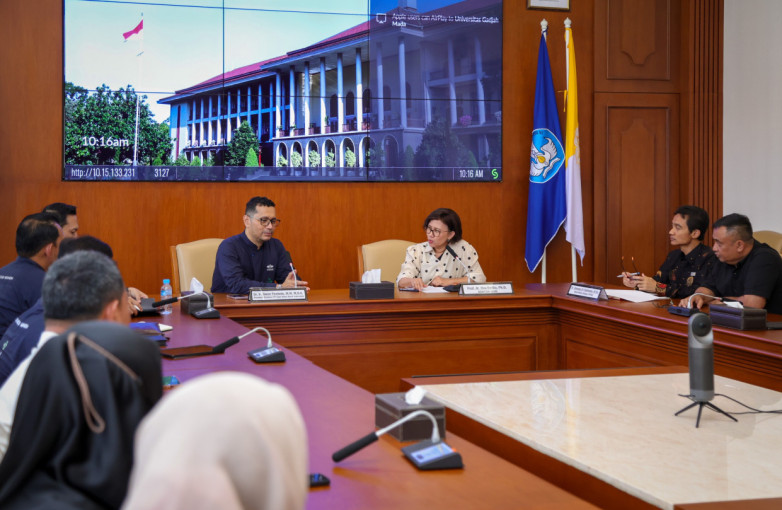
This issue was highlighted during the signing of a cooperation agreement between Universitas Gadjah Mada (UGM) and PT East West Seed Indonesia (Ewindo) to collaboratively develop a Vegetable Genetic Resources Bank on Wednesday (Apr. 1) at the Executive Meeting Room, Balairung UGM.
UGM Rector, Professor Ova Emilia, stated that strengthening the upstream sector through genetic conservation is a strategic step in building a sustainable food system. This effort is increasingly important amid agricultural modernization and the loss of local plant varieties.
“When we talk about developing superior seeds, it also relates to people’s habits in processing and consuming them. By understanding the supply chain from the source, we can ensure the quality and nutritional value of commodities. Plant genetic resources must be preserved collectively,” she said.
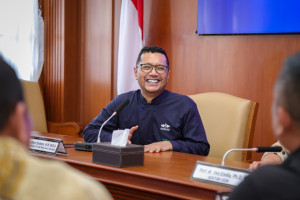
Ewindo President Director, Glenn Pardede, emphasized that genetic engineering is a long-term investment in Indonesia’s food system resilience. This facility supports academic research while opening opportunities for innovation in developing new varieties.
“Research collaboration is essential to produce superior varieties that are adaptive, productive, and relevant to future needs,” he said.
The collaboration between UGM and Ewindo is expected to expand through student involvement in the Community Service Program (KKN). Students will receive training in seed collection techniques, based on standard operating procedures, for documenting genetic resources in previously unexplored regions.
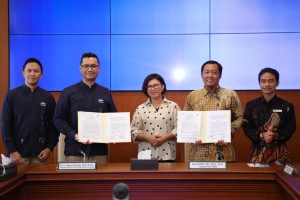
The partnership between UGM and Ewindo has been ongoing since 2018 and was reaffirmed on April 1, 2026. To date, more than 2,000 local Indonesian plant germplasm samples have been successfully collected. The collection includes various vegetables such as tomatoes, cucumbers, carrots, bitter melon, eggplant, celery, bell peppers, pumpkins, okra, chili peppers, and many other commodities from across Indonesia. This collection reflects Indonesia’s rich biodiversity, which must be utilized and preserved.
Author: Ika Agustine
Editor: Gusti Grehenson
Post-editor: Jasmine Ferdian
Photo: Donnie