


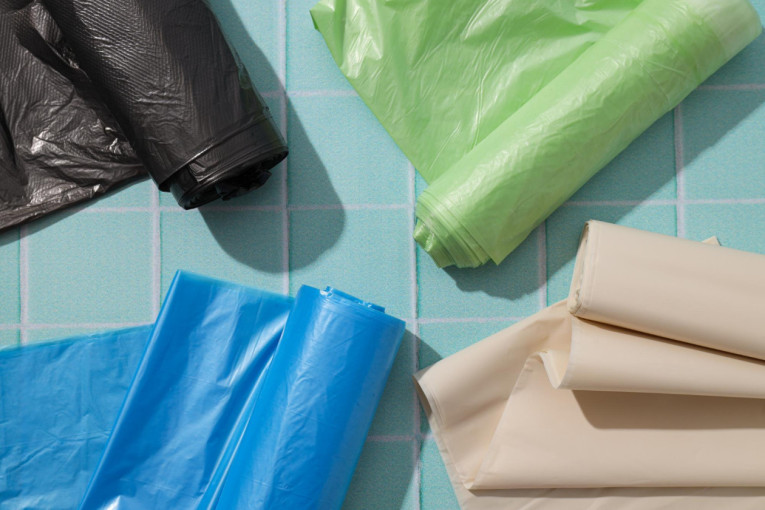
The recent increase in plastic prices has raised concerns about the cost of packaging materials, potentially leading to higher food and beverage prices. The rise is driven by increasing crude oil prices, which have long served as the primary raw material for plastics. Meanwhile, Indonesia’s demand for petrochemical feedstocks for plastic production reaches millions of tons annually. The high consumption of plastic makes this industry heavily dependent on the stability of crude oil supplies and their derivatives.
“The demand is indeed substantial because polyethylene and polypropylene have become part of everyday life. In addition to packaging, they are also used in vehicle dashboards, household equipment, and various other products,” said Professor Rochmadi, a Chemical Engineering lecturer at the Faculty of Engineering, Universitas Gadjah Mada (FT UGM), Monday (May. 11).
He explained that the primary issue in the current plastic industry is more closely related to raw materials and the petrochemical industry chain rather than the quality of plastic products themselves. According to him, the most widely used plastics today are polyethylene and polypropylene. These two types of plastics are derived from ethylene and propylene.
So far, the global petrochemical industry has generally relied on naphtha as the main feedstock for plastic production. Naphtha is a fraction of crude oil with short hydrocarbon chains ranging from C5 to C12, which are then cracked to produce ethylene and propylene.
“Around 30 percent of naphtha can be converted into ethylene and about 20 percent into propylene, while the rest becomes other products such as carbon residue and short-chain compounds,” he explained.
As Indonesia remains a net importer of crude oil, increases in naphtha prices or disruptions in global supply can directly affect production costs in the petrochemical industry and downstream sectors.
“Naphtha is also used as fuel, such as gasoline, creating competition between energy needs and petrochemical industry requirements,” Professor Rochmadi added.
He noted that plans to substitute naphtha with LPG as feedstock are technically feasible. However, such changes would require adjustments to production processes and plant designs originally built specifically for naphtha.
“LPG contains C3, C4, and C5. The closest to light naphtha are C4 and C5. But if there is too much C3 in the mixture, its properties become somewhat different,” he said.
Professor Rochmadi explained that the use of LPG would most likely require modifications to processing units or even the replacement of some industrial equipment.
“Since the initial plant design was made for naphtha, substituting it with LPG certainly requires re-evaluating the process conditions. So technically it can be done, but there are additional cost implications,” he added.
Nevertheless, he emphasized that changing the feedstock would not affect the final quality of the plastics produced.
“Once it becomes ethylene and propylene, the plastic quality is essentially the same. So the polyethylene and polypropylene produced remain identical in quality. The difference lies only in the raw materials and the processing route,” he explained.
Amid dependence on crude oil, various countries have begun developing more sustainable alternative feedstocks. He encouraged the government to develop biomass-based alternatives. Rochmadi cited Brazil as a country that has made significant progress in developing ethylene derived from biomass ethanol.
“Brazil has successfully produced ethylene from biomass-based ethanol. Since they are the largest ethanol producer, their development is more advanced compared to other countries,” he said.
According to him, biomass-based pathways could become an important alternative in the future if crude oil prices continue to rise.
“If crude oil prices become increasingly expensive, biomass-based technologies such as those in Brazil will likely continue to grow,” he concluded.
Author: Jelita Agustine
Editor: Gusti Grehenson
Post-editor: Rajendra Arya
Photo: Magnific