


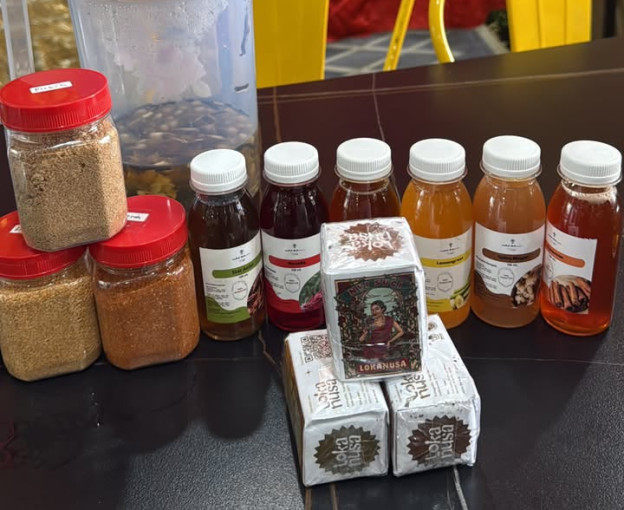
Lokanusa Café and Jamu Jogorogo are two creative economy enterprises nurtured by the UGM Center for Herbal Medicine in Singosaren Village, Bantul, Yogyakarta. Several products have obtained halal certification, Home Industry Food Production (PIRT) permits, and domestic hygiene testing. Their flagship products, including Jamu Jogorogo, herbal teas, and spice blends, are being prepared for export to the Malaysian market.
Dr. Arko Jatmiko Wicaksono, a researcher at the UGM Center for Herbal Medicine, said the center has been conducting international collaborations since April to prepare the regulatory registration of products from Singosaren SMEs. As part of this effort, the team carried out a strategic visit to Kuala Lumpur from June 18-21 to establish partnerships with key stakeholders.
Based on market research conducted in Kuala Lumpur, Dr. Wicaksono said the team found strong market potential for spice-based products and herbal teas from the assisted SMEs. He noted two main factors: Malaysian consumers have long included herbal tonics, herbal teas, and traditional beverages in their healthy lifestyle, while the large Indonesian diaspora in Kuala Lumpur seeks authentic Indonesian flavors, making products such as Jamu Jogorogo, Lokanusa Herbal Tea, and Lokanusa Spice Blends highly appealing.
“With research support and global partnerships, I am confident our products will be well received in the international market,” he said on Thursday (Jul. 9).
In addition to opening export opportunities, the UGM team established a strategic partnership with International Medical University (IMU), one of Malaysia’s leading private universities, which has a nationally accredited laboratory. The laboratory will serve as the testing facility for UGM-assisted herbal products before they are officially marketed in Malaysia to ensure they meet regulatory requirements.
The testing will cover critical parameters required by Malaysia’s National Pharmaceutical Regulatory Agency (NPRA), the country’s equivalent of Indonesia’s Food and Drug Authority (BPOM). The evaluations include raw material stability, microbial contamination, heavy metal contamination, and other mandatory assessments required for NPRA approval.
“We have agreed to conduct stability testing, microbial contamination analysis, heavy metal testing, and other assessments required for NPRA approval,” said Dr. Wicaksono.
According to him, this laboratory collaboration provides a strong foundation for product registration in Malaysia, as herbal and processed food products cannot be legally marketed there without approval from the NPRA.
“With this laboratory partnership, we expect the licensing process to become faster and more systematic,” he explained.
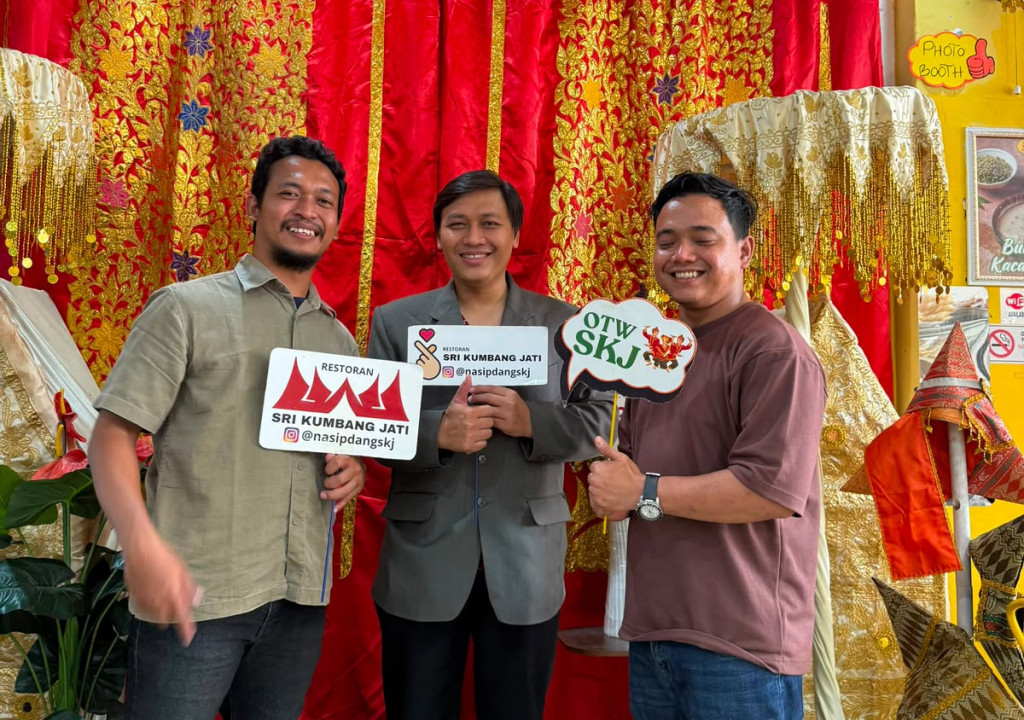
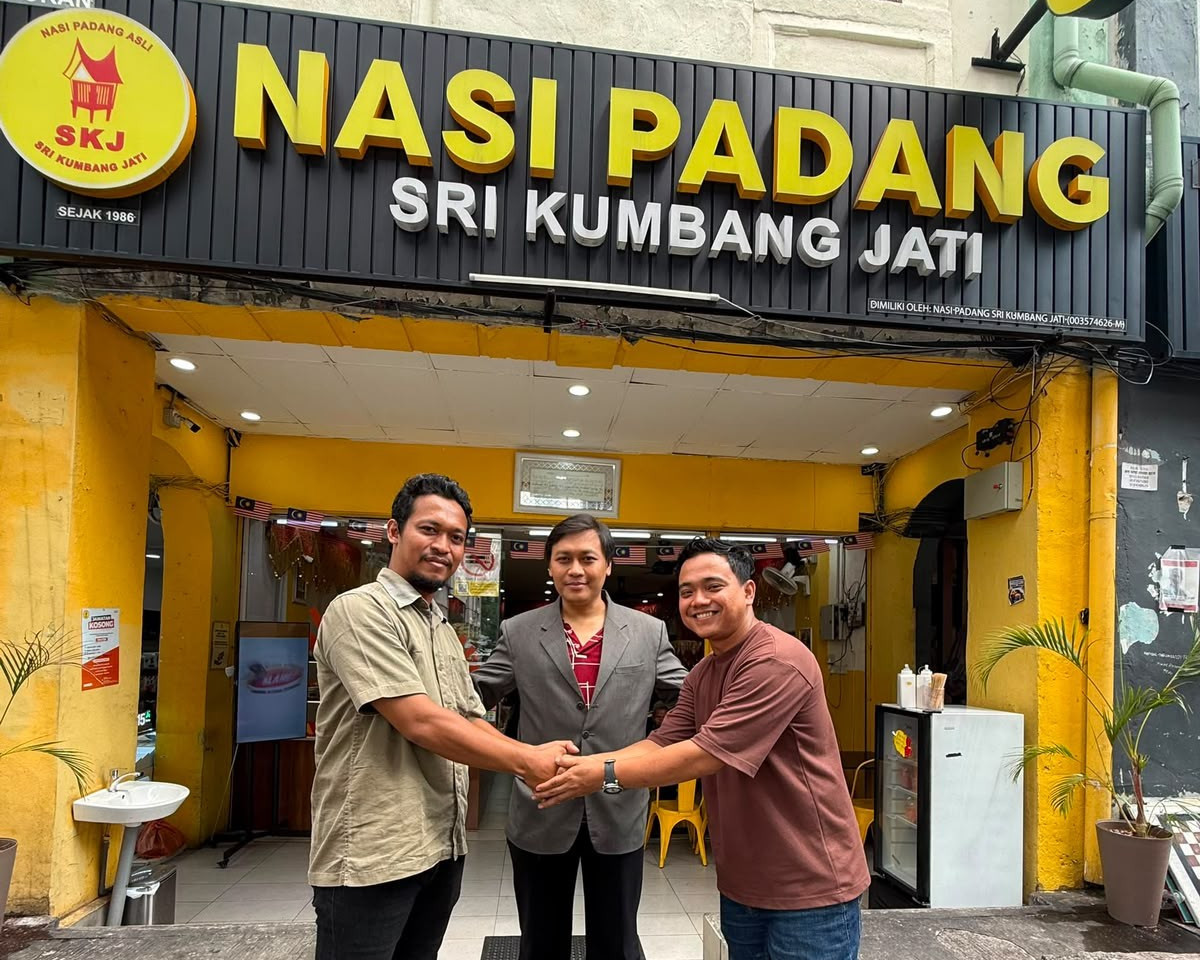
Beyond laboratory testing, the visit also established a distribution channel crucial for export success. During the visit, the team met prospective Malaysian distributors who committed to distribute the products once NPRA marketing authorization is obtained.
“We have already established communication with prospective distributors. Once the license is issued, the products can be shipped immediately. This acceleration has been our goal from the beginning,” he added.
Beyond expanding exports, this initiative is part of Indonesia’s gastrodiplomacy efforts, promoting local products while encouraging the Indonesian diaspora to serve as a bridge to expand SME markets globally.
Dr. Wicaksono explained that one of the main strengths of the products for the Malaysian market is their authentic Indonesian traditional flavor, which sets them apart from mass-produced products. Carefully selected spices combined with floral aromas create distinctive teas with authentic taste and fragrance.
“Lokanusa’s spice blends have received positive responses from several restaurant owners in Malaysia. One of them has even expressed readiness to become a distributor once the products receive marketing authorization,” he said.
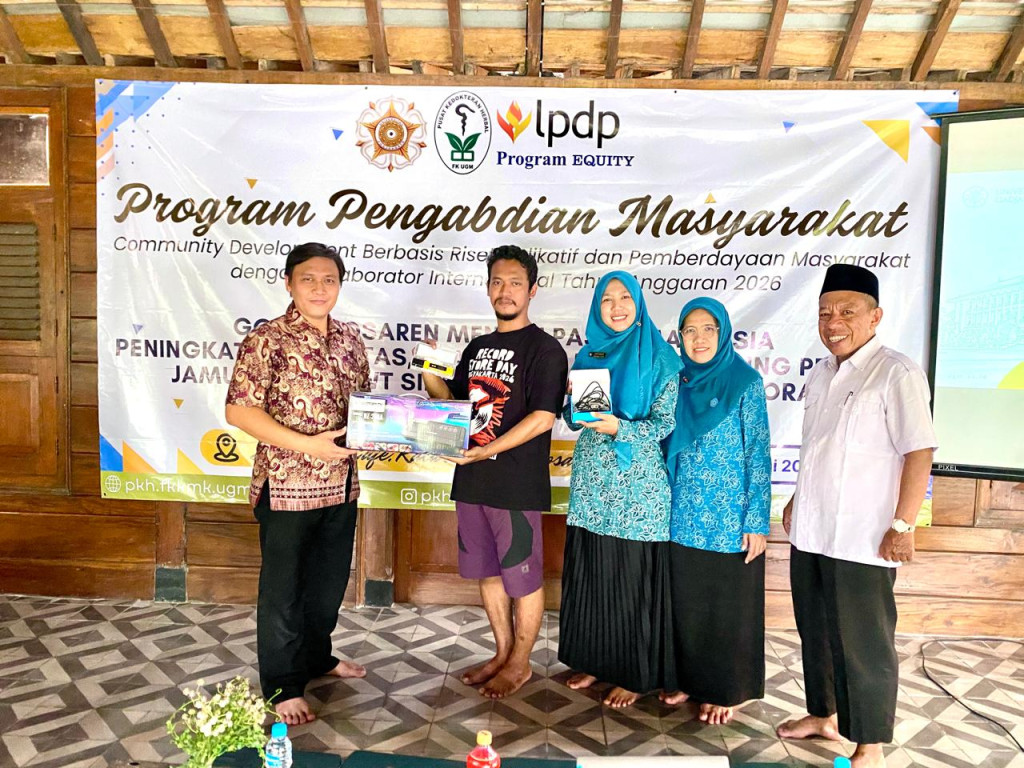
Market testing has also shown that the products’ taste and aroma attracted consumer interest. Priced at IDR 50,000 per 100 grams for spice blends and IDR 30,000 per 50 grams for herbal tea, exports to Malaysia could increase SME revenues while serving as a market diversification strategy amid fluctuations in the rupiah exchange rate.
Through laboratory testing partnerships, distribution agreements, and successful market validation in Malaysia, this initiative marks a significant step toward bringing Indonesian spices and culinary products to international markets. UGM remains committed to supporting the process until the products are officially available and accepted by Malaysian consumers, while also paving the way for expansion into other Southeast Asian countries with similar market potential.
Author: Jesi
Editor: Gusti Grehenson
Post-editor: Jasmine Ferdian
Photo: FK-KMK Community Service Team