


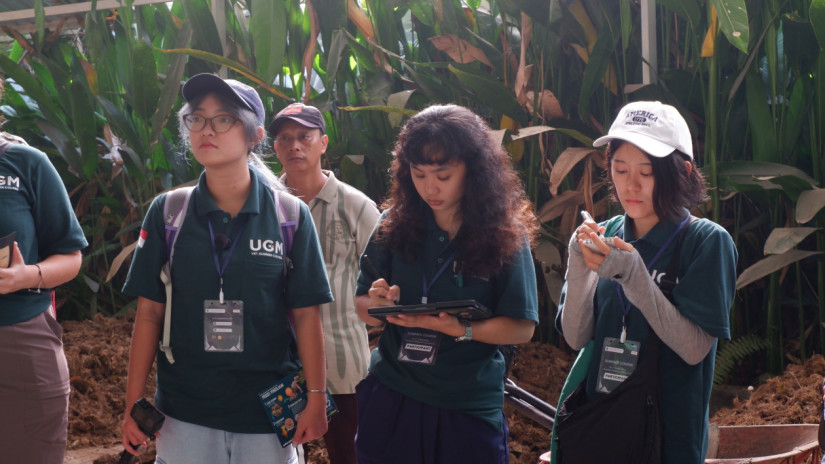
Twenty-six students, researchers, and professionals from 11 countries gathered at Universitas Gadjah Mada (UGM) for the inaugural Gadjah Mada Veterinary Medicine International Summer Course 2026, an intensive four-day program exploring innovative approaches to wildlife conservation through science, technology, and global collaboration.
Held in Yogyakarta from July 12–15, the program brought together participants from the Philippines, Malaysia, Vietnam, Brunei Darussalam, Taiwan, South Korea, Japan, Singapore, Hong Kong, Sri Lanka, and the United Kingdom. Representing diverse academic and professional backgrounds—including veterinary medicine, biology, zoology, environmental science, and related disciplines—the participants created a multidisciplinary and multicultural learning environment that reflected the program’s collaborative spirit.
Welcoming the participants, UGM Vice Rector for Research, Business Development, and Partnerships Dr. Danang Sri Hadmoko said universities have a vital role in building international partnerships to address increasingly complex global challenges, including biodiversity loss, climate change, wildlife health, and emerging zoonotic diseases.
“Higher education institutions play a strategic role in strengthening international networks, generating science-based innovations, and preparing future professionals capable of addressing global challenges,” he said.
According to Dr. Berlin Pandapotan Pardede, chair of the summer course, this year’s theme, “Guardians of Forest Wildlife,” reflects the urgent need for innovative and collaborative conservation strategies as wildlife populations continue to decline because of habitat loss, climate change, deforestation, habitat fragmentation, and increasing human activity.
He emphasized that conservation efforts today must go beyond conventional approaches by integrating scientific advances, including assisted reproductive technologies (ART), biobanking, cell preservation, stem cell technology, and other reproductive biotechnologies to support the recovery of endangered species.
“Technological innovation is essential, but it must be accompanied by strong international collaboration. Wildlife conservation is a shared global responsibility that no single institution or country can address alone,” he said.
Supported by the Indonesia Endowment Fund for Education (LPDP) through its Innovation Grant, the program forms part of the Faculty of Veterinary Medicine’s broader strategy to strengthen academic internationalization through education, knowledge exchange, and interdisciplinary collaboration. The initiative also serves as a platform for building international research networks among young scientists, academics, practitioners, and conservation experts.
The program adopts the One Health approach, recognizing that the health of humans, animals, and ecosystems is closely interconnected. Summer course coordinator Dr. Hery Wijayanto said today’s conservation challenges—including biodiversity loss, habitat degradation, climate change, and zoonotic diseases—require collaboration across disciplines rather than isolated scientific efforts.
“Wildlife conservation is not simply about protecting individual species. It is about maintaining healthy ecosystems that ultimately support both environmental sustainability and human health. Through the One Health approach, participants learn that effective conservation requires collaboration across disciplines and sectors,” he explained.
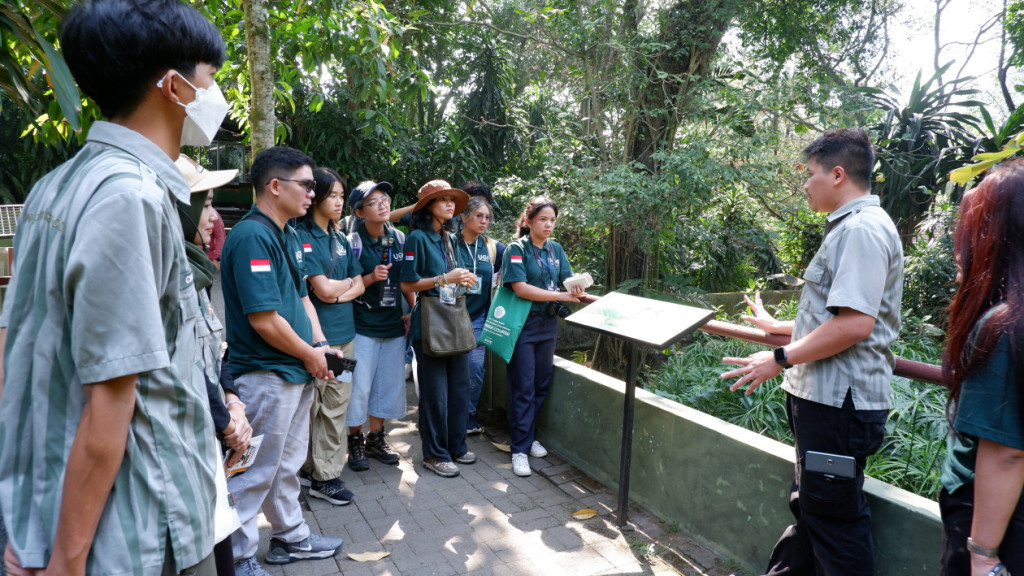
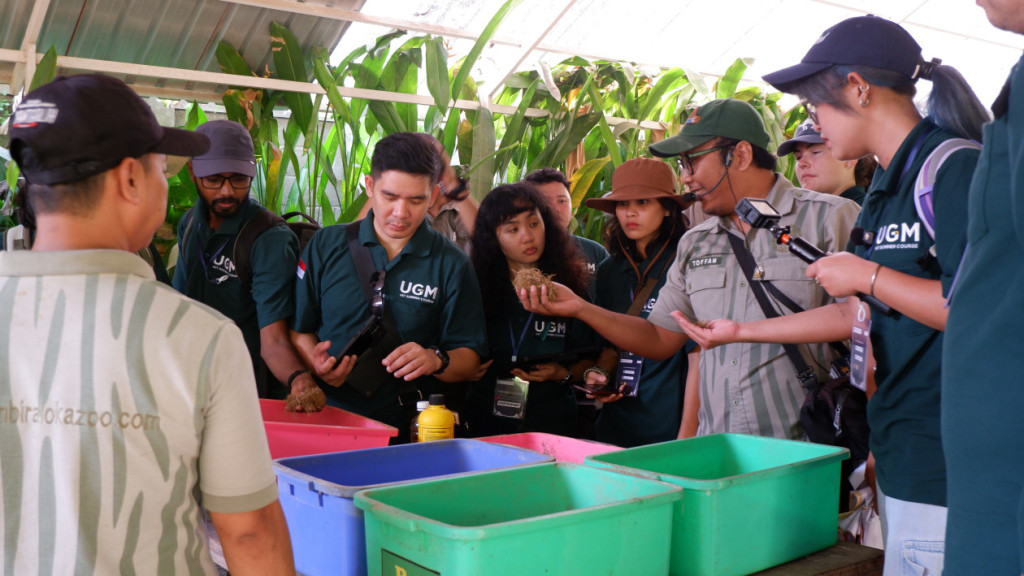
Beyond classroom discussions, participants took part in experiential learning activities at several conservation sites in Yogyakarta, including Gembira Loka Zoo and Mount Merapi National Park, where they observed wildlife health management, conservation practices, reproductive technologies, and biodiversity management firsthand.
For Minami Ayane, a veterinary medicine student at Azabu University in Japan, the program offered valuable practical experience that complemented her academic studies.
“At my university, I have mostly learned these topics through lectures. Here at UGM, I was able to observe firsthand how veterinarians contribute to wildlife health assessments, reproductive technologies, and conservation programs for endangered species,” she said.
Through the international summer course, UGM’s Faculty of Veterinary Medicine continues to strengthen its role as a regional hub for education, research, and innovation in veterinary medicine, wildlife conservation, animal health, and animal welfare. The faculty also hopes the program will become a flagship annual event, expanding partnerships with universities, research institutions, conservation organizations, zoos, and other stakeholders worldwide to advance biodiversity conservation through education, research, and innovation.
Author: Salwa
Editor: Gusti Grehenson
Post-editor: Jasmine Ferdian
Photo: Courtesy of the UGM Faculty of Veterinary Medicine