


In response to the flash floods and landslides that struck Aceh Province, West Sumatra, and North Sumatra, Universitas Gadjah Mada (UGM) established an Emergency Response Unit as part of its institutional responsibility toward humanitarian action and sustainable development.
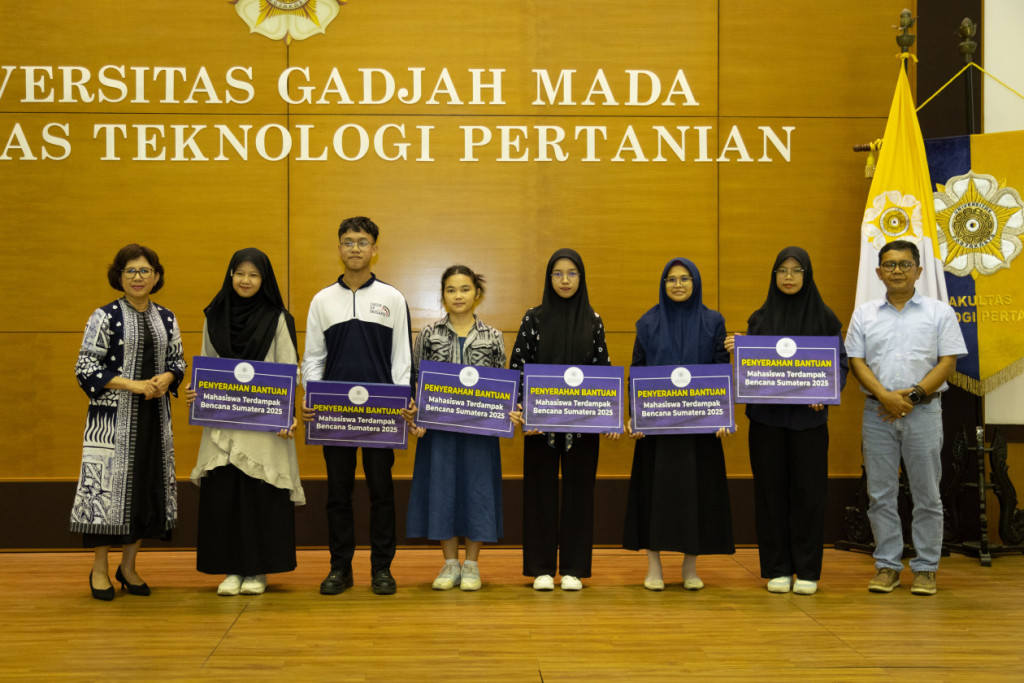
Following the disasters, UGM promptly delivered direct assistance to affected communities through fundraising efforts involving its academic community, partners, and alumni. The university also accommodated the needs of students originating from the affected areas.
Records show that a total of 217 UGM students were impacted, comprising 81 students from Aceh, 93 from North Sumatra, and 43 from West Sumatra.
In addition to collecting data on affected students, UGM provided various forms of assistance and necessary support.
Based on the assessment results, the needs of impacted students varied widely, including tuition fee relief, daily living cost assistance, meal support, basic food packages, housing cost assistance, and counseling services.
Several students were even at risk of applying for academic leave due to family conditions in their home regions, where they had lost homes, jobs, or sources of income.
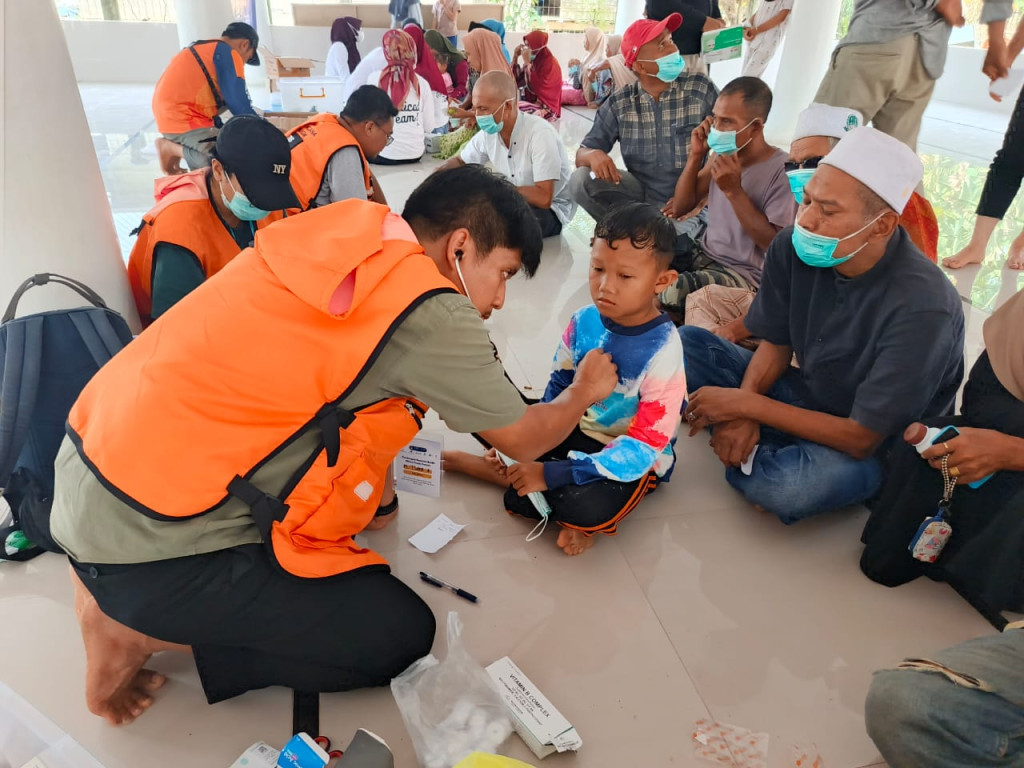
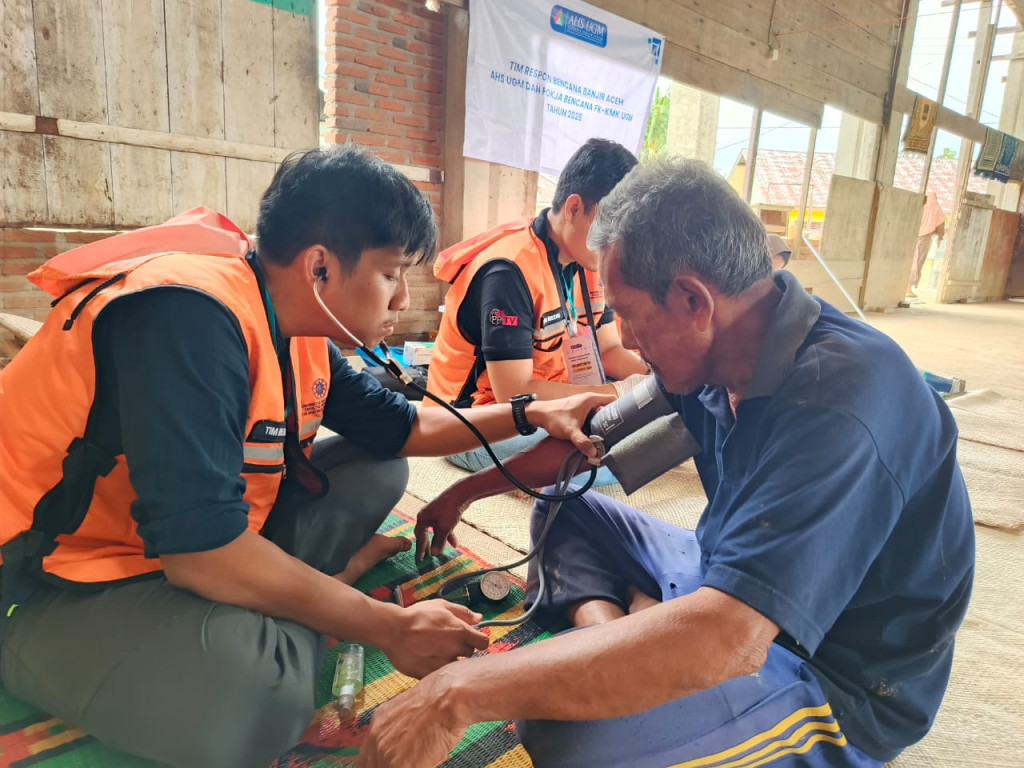
UGM also deployed volunteer teams comprising medical personnel, including multidisciplinary medical specialists, nurses, pharmacists, nutritionists, and sanitarians from the Faculty of Medicine, Public Health, and Nursing (FK-KMK UGM) and the Academic Hospital (RSA UGM) to disaster-affected areas.
These volunteers conducted assessments of medical and pharmaceutical needs and coordinated with local hospitals to ensure the continuity of healthcare services.
During the emergency response period, UGM dispatched four medical teams on a rotating basis to provide healthcare assistance while mapping hospital capacities in Aceh.
Meanwhile, UGM’s psychosocial team also placed special emphasis on the psychological recovery of disaster survivors.
The team conducted on-site assistance and deployed several members to actively engage in the affected locations.
In addition, the team organized psychosocial support training in collaboration with Syiah Kuala University as part of efforts to strengthen sustainable assistance capacity in impacted regions.
Several teams also developed applied technologies, including the installation of solar-powered water purification systems at community health centers and hospitals in Bener Meriah Regency and North Aceh, as well as flood and tsunami detection devices in Aceh.
Regarding the rehabilitation and reconstruction phase, UGM is currently formulating policy recommendations for government use.
These recommendations cover the provision of temporary housing and settlements, economic and socio-cultural recovery, and legal aspects of the rehabilitation and reconstruction process.
Given the extensive impact of the disasters, the availability of temporary housing before transitioning to permanent residences remains a critical need.
UGM Rector, Professor Ova Emilia, during the celebration of UGM’s Anniversary on Friday (Dec. 19, 2025) at Grha Sabha Pramana, conveyed her deepest condolences and sympathies to those affected in West Sumatra, North Sumatra, and Aceh.
“May the affected families be granted patience, resilience, swift recovery, and renewed strength,” she stated.
According to the rector, UGM has become an integral part of the solidarity movement by delivering aid to disaster locations, developing a geoportal-based database, conducting disaster assessments, formulating standard operating procedures and mitigation strategies, designing rehabilitation and reconstruction scenarios, providing psychosocial assistance, and managing public communication related to disaster mitigation.
To further strengthen its humanitarian contribution, UGM has also collaborated with various stakeholders, including alumni, philanthropists, the National Research and Innovation Agency (BRIN), and the central government.
“These initiatives are currently being integrated with government actions during the emergency response period and in the preparation of the rehabilitation-reconstruction roadmap coordinated by the Coordinating Ministry for Human Development and Cultural Affairs,” she explained.
Impactful Campus
Carrying the Anniversary theme “Healthy Campus, Pillar of National Independence and Resilience,” UGM reaffirmed its commitment to upholding the dignity of higher education institutions by providing quality and impactful educational spaces and academic ecosystems.
This effort reflects UGM’s responsibility toward humanitarian values, national solidarity, and the promotion of adaptive sustainable development in response to climate change.
As an impactful campus, UGM demonstrated contributions to human resource development, socio-community advancement, and economic empowerment across multiple sectors in 2025.
These initiatives ranged from promoting self-reliance in pharmaceutical raw materials and medical devices, addressing stunting and tuberculosis, realizing food sovereignty and a just energy transition, to environmental adaptation, artificial intelligence-based technology development, and poverty alleviation through community empowerment.
Throughout these processes, UGM consistently upheld three core principles: being inclusive, self-reliant, and sustainable.
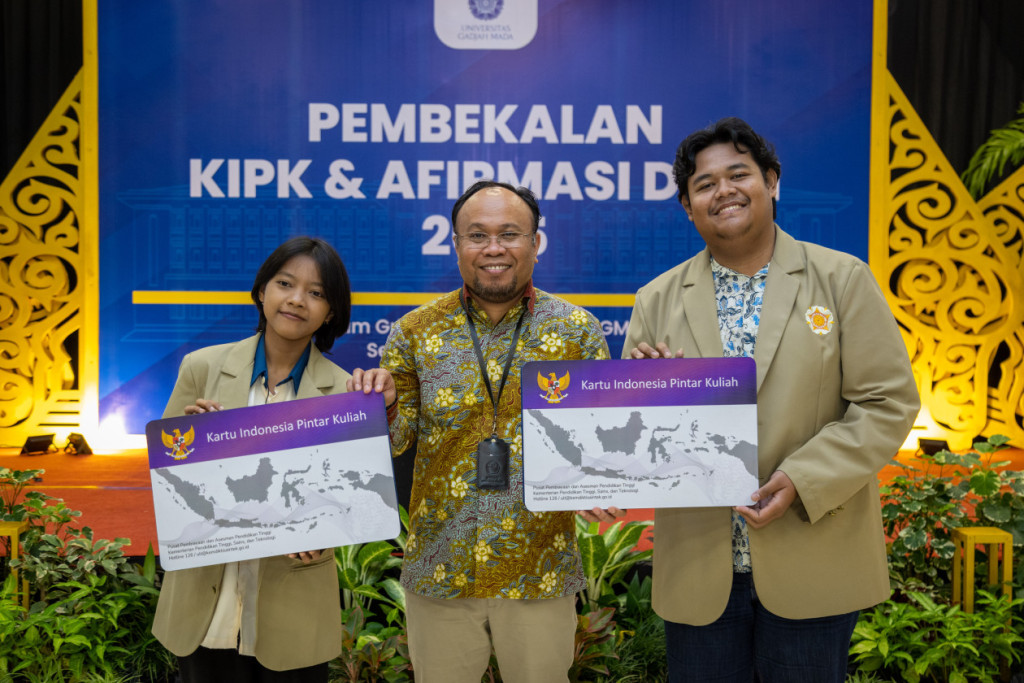
As a national university, UGM carries a social mandate to deliver quality and accessible higher education.
To ensure affordability, UGM has designed scholarship programs.
In 2025, the university successfully partnered with approximately 229 scholarship providers, benefiting around 18,617 students.
In terms of financial independence, UGM has intensified collaboration programs across the tridarma of higher education, as well as asset utilization and revenue generation from UGM business units, to support operational costs for education, research, and community service.
To ensure continuous quality improvement, expanded public access to education, and strengthened national human resource competitiveness, UGM designed the Innovative Learning Ecosystem (EPI) to transform higher education and address future challenges.
Innovation is presented through EduTech by providing MOOCs on the eLOK Learning Management System for internal users and UGM Online for the public.
EPI, accessible to the broader community, represents UGM’s tangible commitment to knowledge inclusivity.
Strengthening a collaboration-based innovation ecosystem can also be achieved through knowledge-dissemination videos, which effectively spread information, inspire interdisciplinary collaboration, and reinforce the integration of innovation.
With accessible visual delivery, innovation ecosystems can grow faster, increase societal benefits, and encourage active participation in creating sustainable solutions.
“UGM has released 854 knowledge dissemination videos from various clusters, including 531 faculty-produced videos available on the UGM Channel,” she elaborated.
To ensure human resource quality improvement, UGM continuously addresses the demographic bonus.
While it presents opportunities and capital for progress, it also poses challenges, particularly when physical and mental health quality and degenerative diseases remain obstacles.
Therefore, health quality is a key prerequisite for innovation and scientific advancement, serving as an essential pillar of national resilience and sovereignty amid dynamic global conditions.
Rector Emilia noted that UGM currently has 410,128 alumni spread across regions in Indonesia and abroad.
Research and Innovation Works
Building university independence also means establishing a pillar of national sovereignty.
Universities play a crucial role as centers of technological innovation and research downstreaming, as a sovereign nation requires intellectual and technological independence.
“We firmly believe that research and innovation are vital elements in strengthening the position of higher education as centers of knowledge development,” she stated.
Research outputs, innovations, and product prototypes generated by higher education institutions are expected to support national sovereignty.
However, many research products in Indonesia remain unmapped and face significant challenges related to production and distribution permits at an industrial scale.
At this point, state support in creating an innovation and downstreaming ecosystem becomes crucial.
To address this, UGM has sought to orchestrate an integrated research and innovation ecosystem by establishing flagship research areas, strengthening research institutions, improving research infrastructure, and building research partnerships such as MIT REAP, Kedaireka, ADB, Primestep, and PUAPT.

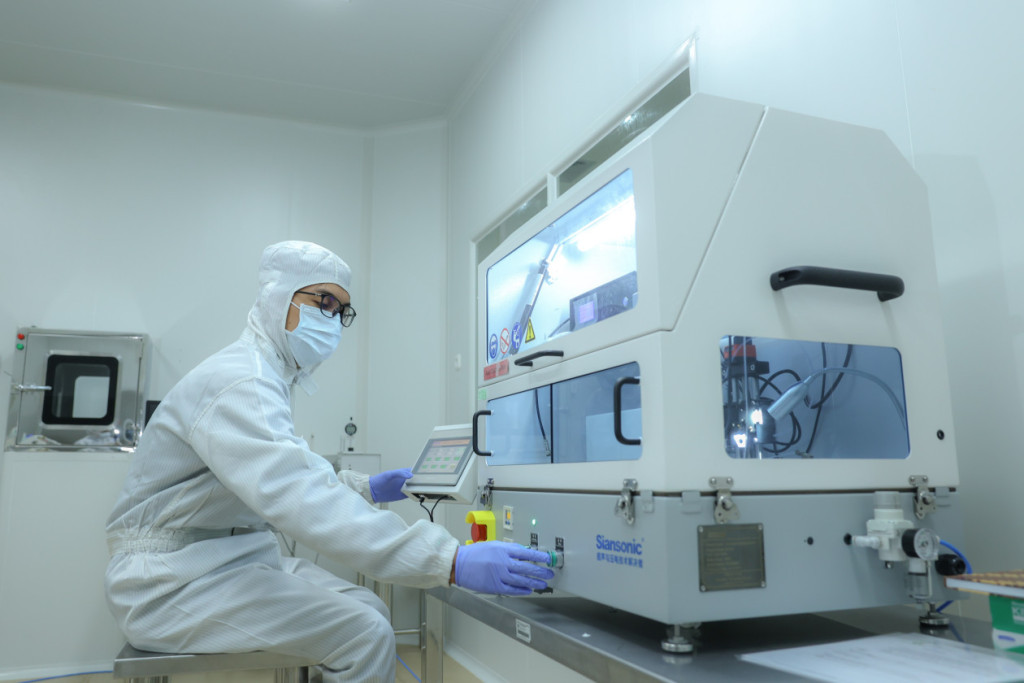
UGM has also strengthened the research-to-downstreaming cycle, covering product testing, R&D and innovation reinforcement, fabrication laboratories, and entrepreneurship catalysis through UGM Science Technopark, as well as the development of the Intellectual Property Management Office (IPMO).
This cycle is expected to form an incubation and acceleration ecosystem that will lead to industrialized products.
Over its 76-year journey, UGM has not only produced national leaders and socio-economic development drivers but also generated research and innovation outputs in demand from industry.
In the energy sector, UGM successfully developed renewable energy innovations, including biodiesel and bioethanol sourced from forest areas, including bioethanol derived from sorghum plants, where 100 ml of sorghum sugar water yields 60 ml of bioethanol, and three stalks of sorghum can produce 100 ml of sugar water.
In the food sector, UGM innovations have resulted in various food commodities and processing products under the Gamafood label. In engineering, numerous innovations have been adopted by industry.
Meanwhile, in the socio-humanities field, policy engineering and strengthening societal foundations have enhanced campus relevance to social challenges.
In health and pharmaceutical innovation, UGM has developed products such as Rapid Assessment Diabetic Retinopathy (RADR), RZ-VAC (Vacuum Assisted Closure), Dental SilkBon, Divabirth, Aphrofit, Konilife Memora, ImunoGama, Essonina, OST-D, and Hesdrink.
Regarding international publications, UGM recorded 1,825 publications, of which 690 involved international collaborations.
UGM continues to promote collaborative research to enhance visibility and impact while offering more comprehensive solutions.
Currently, UGM has 12 journals indexed in Scopus to support publication quality and quantity.
“We are proud that this year, 14 UGM faculty members were listed among the Top 2% World Scientists 2025 released by Stanford University, double the number from last year,” she said.
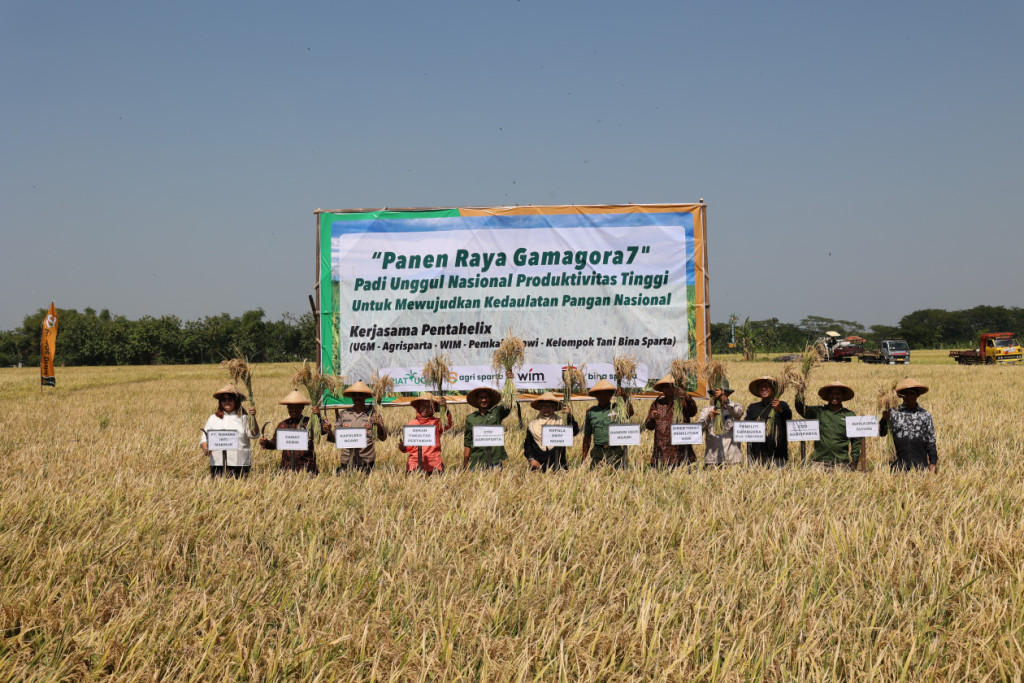
For research in downstreaming and commercialization, UGM has strengthened innovation readiness, evidenced by royalty income from products adopted by industry partners, including the first shipment of 10 tons of Gamagora rice seeds to PT Agrinas, the downstreaming of Venindo ventilators, and UGM CTLI chocolate makloon for ATJ and Tokyo Food.
“For Gamagora rice, seed production has reached 28.6 tons distributed across 15 regencies and cities nationwide,” she revealed.
Community Service
Becoming an impactful university also involves empowering communities.
In this arena, UGM develops appropriate technology through the Community Service Program (KKN-PPM), which forms part of inclusive, impactful initiatives addressing societal challenges.
Throughout 2025, UGM deployed approximately 9,242 students across 35 provinces, 28 regencies/cities, and more than 500 villages.
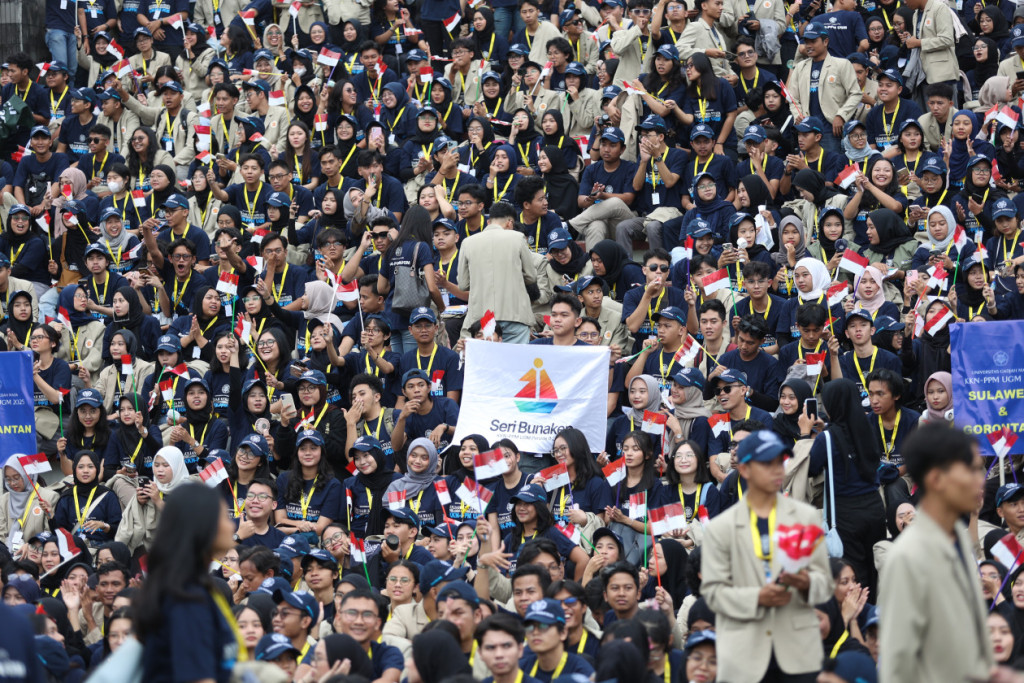
The program has also strengthened synergy and collaboration with Kagama in innovation development and social advocacy, enhancing community capacity.
KKN-PPM has even received recognition from the President of Timor-Leste and various partners as a UGM academic excellence model that is replicable internationally.
The internationalization of education and community service programs in higher education is inseparable from the digitalization of information and communication technology, a tangible manifestation of globalization supported by technological advancement.
At the conclusion of her address, Rector Emilia emphasized that collective, institutional efforts to strengthen education, research, publications, and alumni reputation were reflected in UGM’s QS World University Rankings (QS WUR) 2026 achievement, where UGM reached 224th globally, an increase of 15 positions from the previous year.
The Academic Reputation indicator also rose 11 ranks to 134th worldwide.
Meanwhile, in the QS Sustainability Rankings 2026, UGM ranked first in Indonesia and 409th globally, reflecting sustained efforts in environmental management and social responsibility.
“Thank you to the entire academic community and all parties who have contributed positively to UGM’s development. We continuously strive for independence, yet translating national independence requires our collective effort as a nation and state,” she concluded.
To anticipate future developments, UGM is committed to strengthening dynamic capabilities and transforming its culture from a Teaching Culture to a Research and Innovation Culture.
Rector Emilia outlined four key commitments: enhancing the production of globally competitive graduates, strengthening research and innovation, and developing downstreaming ecosystems to achieve national independence; intensifying community service based on socio-techno innovation; and reinforcing tridarma support ecosystems through sustainable green campus and intelligent university initiatives.
With the programs designed and implemented, UGM aims to reaffirm its position as an enabler of human resource development and future technology advancement.
Upholding the spirit of “Merakyat, Mandiri, dan Berkelanjutan (Inclusive, Self-Reliant, and Sustainable),” UGM aspires to continuously contribute impactful education, research, and community service oriented toward public interest, national sovereignty, and sustainable development.
Author: Gusti Grehenson
Post-editor: Lintang Andwyna