


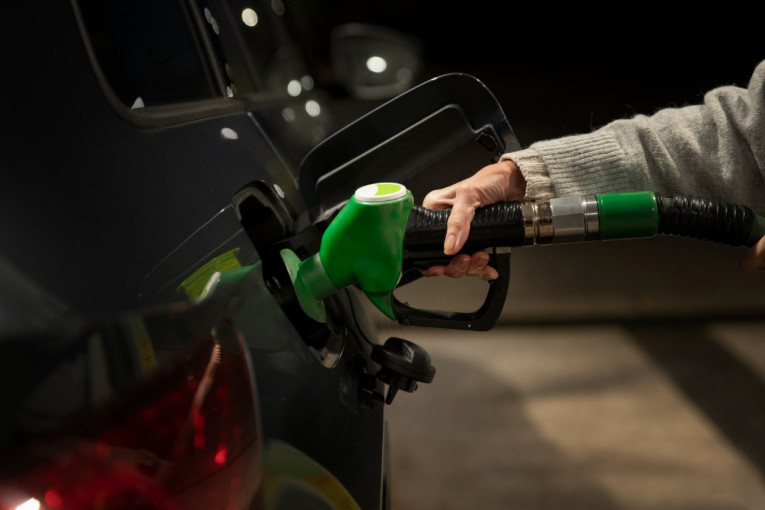
Geopolitical tensions stemming from the war in Iran have triggered shortages and rising global crude fuel prices. This situation has been exacerbated by disruptions in oil supply from the Middle East due to the closure of tanker routes through the Strait of Hormuz. Indonesia, as a fuel-importing country with continuously increasing energy consumption, faces a dilemma in maintaining fuel supply without raising prices. To ensure fuel availability, President Prabowo Subianto paid a state visit to Russia to open import channels with the country.
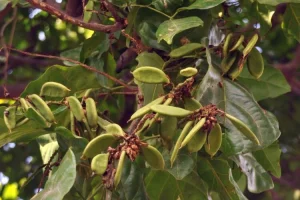
Professor of Chemistry at Universitas Gadjah Mada, Professor Wega Trisunaryanti, stated that fuel shortages caused by global geopolitical tensions could serve as momentum for Indonesia to move toward energy independence and reduce reliance on imports. According to her, the government needs to encourage the development of renewable energy sources such as non-edible vegetable oils. Examples include nyamplung (Calophyllum inophyllum) and malapari (Pongamia pinnata), which can be used as biofuel sources.
“We can utilize natural resources such as nyamplung and malapari oil to support energy independence,” she said on Thursday (April 16).
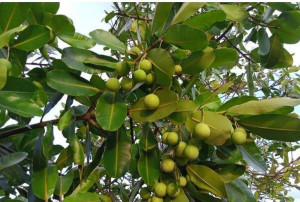
According to her, these two plants grow abundantly in various regions of Indonesia and do not compete with food needs, making them ideal raw materials for biofuel production. In addition to use in vehicles, the potential of these plants is currently being studied for aviation fuel needs, such as Sustainable Aviation Fuel (SAF). This is considered highly strategic given the high economic value and global demand for environmentally friendly fuels.
However, efforts to replace vehicle fuel with renewable energy sources must still take safety into account. Existing vehicles are designed with specific fuel standards, particularly for conventional fuels. Therefore, further research is needed to assess the long-term impact on engines.
“We can use alternative fuels, but if the engine is not designed for them, it may be damaged,” she added.
Wega noted that, in academia and research, a strong sense of individualism persists among researchers. Research is often conducted in small groups, and institutions tend to compete rather than collaborate.
“Although collaborative research has increased, many studies are not sustained or continued by related industries,” she explained.
In addition, the government, which understands the research ecosystem and downstreaming of research outcomes, must also play a role in overseeing these programs.
“Collaboration in research has begun to grow, but it has not yet reached the stage of industrial downstreaming. Strong government support is still needed,” she said.
According to Wega, the most feasible strategy for society at present is energy conservation and the development of technologies based on available natural resources.
“If the entire community is committed to reducing fuel consumption, using public transportation regularly, and complying with policies aimed at energy conservation, the future will be much better,” she stated.
She hopes that Indonesia will become less dependent on fossil fuels and place greater emphasis on renewable energy sources, including wind, water, solar, and fuel cells. She explained that fuel cells are electrochemical devices that convert the chemical energy of fuel into electricity, heat, and water.
“I strongly advocate for the development of renewable energy technologies and fuel cells,” she said.
Currently, Wega continues to conduct research on the development of catalysts, nanosilica, zeolites, and graphene oxide for various applications, particularly in the hydrotreating process of biomass into biofuel. She is currently focusing on synthesizing heterogeneous catalysts to convert vegetable oils into bio-jet fuel or Sustainable Aviation Fuel (SAF). According to her, this research is crucial for the future of global energy.
“Fossil fuel resources are depleting and contribute to pollution. We are moving toward zero carbon, and plant-based bio-jet fuel is a green and sustainable alternative,” she explained.
Author: Jesi
Editor: Gusti Grehenson
Post-editor: Zabrina Kumara
Photos: Freepik, Antara, Wikimedia