


Medical waste generated during dental treatment, including latex gloves and dental filling materials, continues to accumulate as part of routine patient care. Research published in The Journal of Contemporary Dental Practice estimates that dental clinics generate approximately 0.5–2.5 kilograms of waste per patient visit. One approach to reducing this environmental burden is green dentistry, which emphasizes disease prevention and sustainable practices rather than relying primarily on curative treatment.
Putting this approach into practice, the UGM Faculty of Dentistry (FKG UGM) organized a community outreach program as part of the International Dental Summer Course (IDSC) 2026. The program brought together dozens of participants from universities in Indonesia and abroad to provide oral health education and free dental examinations for elementary school students.
On Wednesday (Jul. 15), the participants visited Baturan 1 State Elementary School in Gamping, Sleman, Yogyakarta, where they conducted dental and oral examinations and provided preventive oral health services for the students.
Dr. Fania Chairunisa, the program coordinator, explained that prevention is a key principle of sustainability and green dentistry. By preventing dental disease before it requires more extensive treatment, preventive care can reduce the need for medical materials and procedures that generate waste.
“Another preventive measure is teledentistry, which allows patients to receive dental consultations remotely through telecommunications technologies such as video calls or dedicated applications. This can also help reduce carbon emissions associated with travel to dental clinics,” Dr. Fania said in a statement released on Tuesday (Jul. 28).
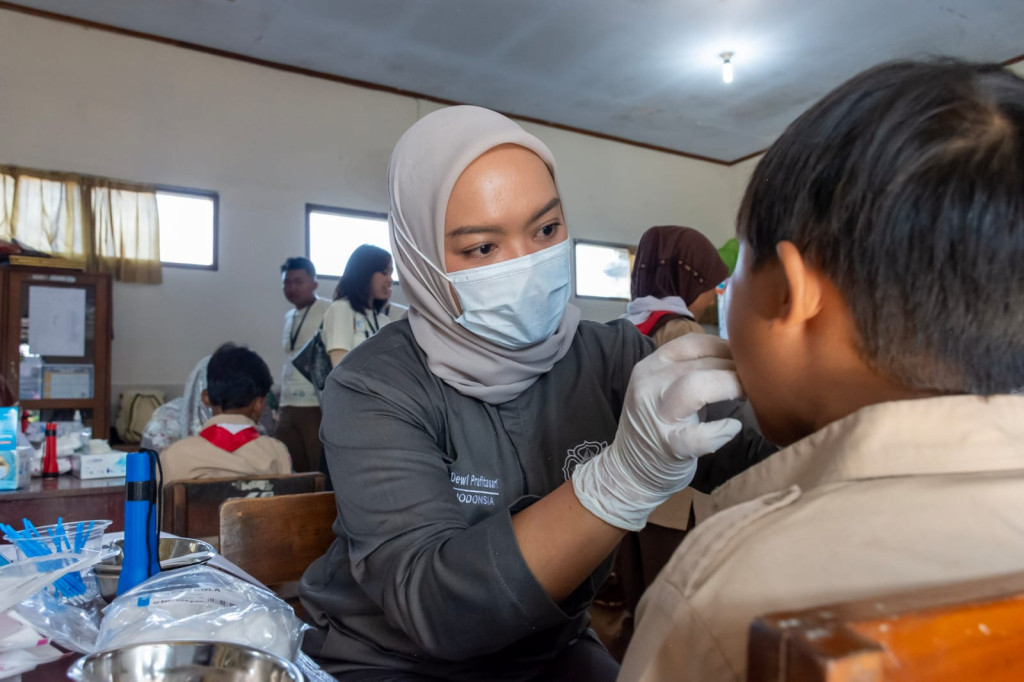
In addition to dental examinations, the students provided Topical Application of Fluoride (TAF), a preventive treatment in which fluoride is applied to children’s teeth to help prevent dental caries.
The treatment is intended to strengthen tooth enamel and inhibit bacteria associated with tooth decay. Early preventive measures such as fluoride application can help reduce the risk of cavities and prevent the progression of early-stage tooth decay.
The activity also gave summer course participants hands-on experience delivering dental care to children.
Gina, a second-semester student at the Faculty of Dentistry, Universitas Muhammadiyah Palangkaraya (UMPR), said working with children requires more than technical dental skills. Effective communication and an appropriate approach are essential to making young patients feel safe and comfortable.
“We need to adapt and build rapport with the children, so they feel comfortable and are not afraid. We develop practical communication skills like these through regular field experience,” she said.
For Gina and other participants, the community program therefore served a dual purpose: providing preventive oral healthcare to children while allowing dental students to develop the interpersonal skills needed in pediatric dental care.
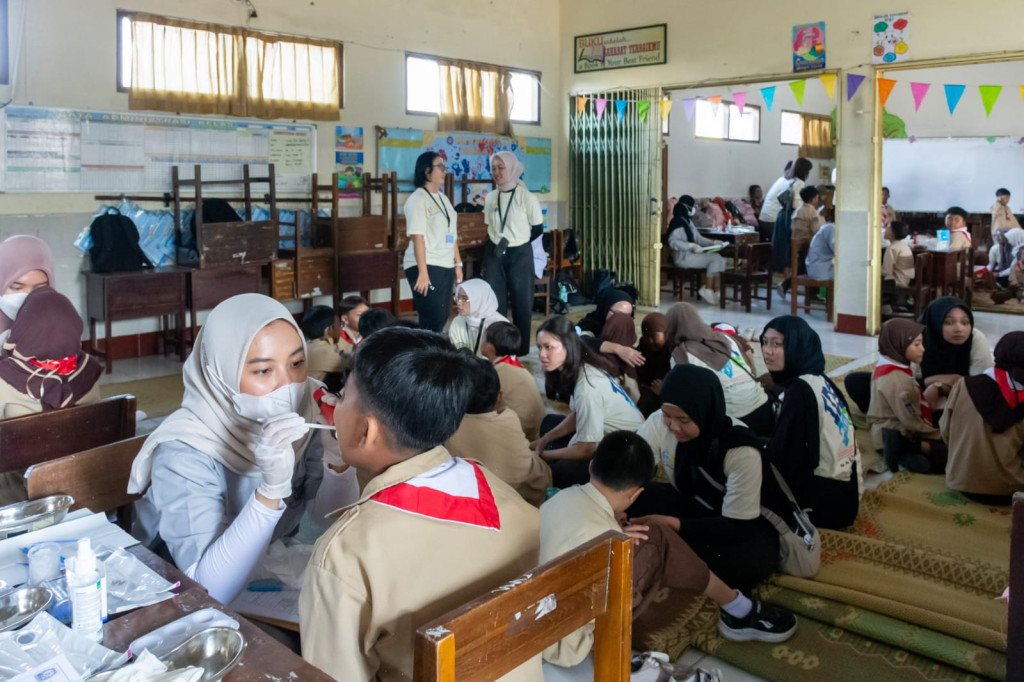
Asri Ningtyas, a teacher at Baturan 1 State Elementary School, welcomed FKG UGM’s involvement and the IDSC participants. She said the program complemented the school’s existing efforts to promote healthy habits among students.
She also hoped similar collaborations with universities could be held regularly, allowing children’s oral health to be monitored continuously from an early age.
“This toothbrushing education is highly beneficial in complementing our school’s programs. It reminds students that, in addition to eating nutritious food, maintaining good dental and oral health is equally important,” she said.
For FKG UGM, the program reflects the broader role of dental education in promoting prevention and sustainability. Rather than waiting for dental problems to develop and require treatment, green dentistry encourages healthcare providers and communities to emphasize prevention, early intervention, and more environmentally responsible practices.
Through the International Dental Summer Course, students from different countries and academic backgrounds experienced how oral healthcare, education, community engagement, and environmental sustainability connect in practice.
The initiative also demonstrates how preventive dental care can benefit both individual health and the environment. By strengthening oral health awareness and preventing disease from an early age, communities can reduce the need for more extensive dental treatment while supporting greener, more sustainable healthcare.
Reporter: Fajar Budi Harsakti/FKG Public Relations
Author: Jesi
Editor: Gusti Grehenson
Post-Editor: Priyanandaningrat
Photo: FKG UGM Documentation