


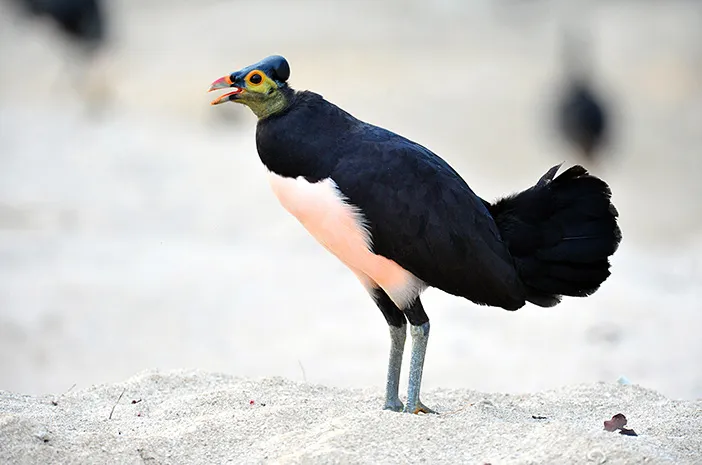
UGM students are helping protect the endangered Maleo bird while addressing coastal environmental challenges through a community service program in Mamuju Regency, West Sulawesi. Working closely with local communities, they are combining wildlife conservation, environmental monitoring, and community empowerment to support sustainable village development.
A total of 28 students from the Manapak Mamuju 2026 Community Service Program (KKN-PPM UGM) are carrying out activities in Sumare Village and Tapandullu Village along the western coast of Sulawesi. Now entering the third week of the program, the team has launched several initiatives, with maleo conservation serving as one of its flagship programs.
Sub-unit Student Coordinator Ikhlasul Amal explained that the program focuses on the maleo because the bird is a protected species endemic to Sulawesi and one of the official faunal symbols of West Sulawesi Province.
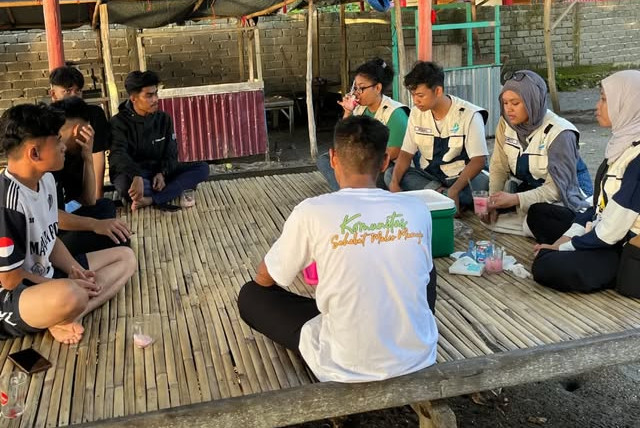
“The local government entrusted us to contribute to efforts to protect this species,” said the UGM Faculty of Biology student on Friday (July 17).
During nearly three weeks of fieldwork, Amal and his team conducted habitat observations and patrols. Their findings confirmed that the endemic bird continues to face significant threats.
“We even witnessed residents collecting maleo eggs while we were on patrol. That finding became the basis for developing our next conservation measures,” Amal said.
He noted that some residents continue to collect and consume Maleo eggs despite the species being protected under Law No. 5 of 1990 on the Conservation of Living Natural Resources and Their Ecosystems, making public awareness one of the team’s biggest challenges.
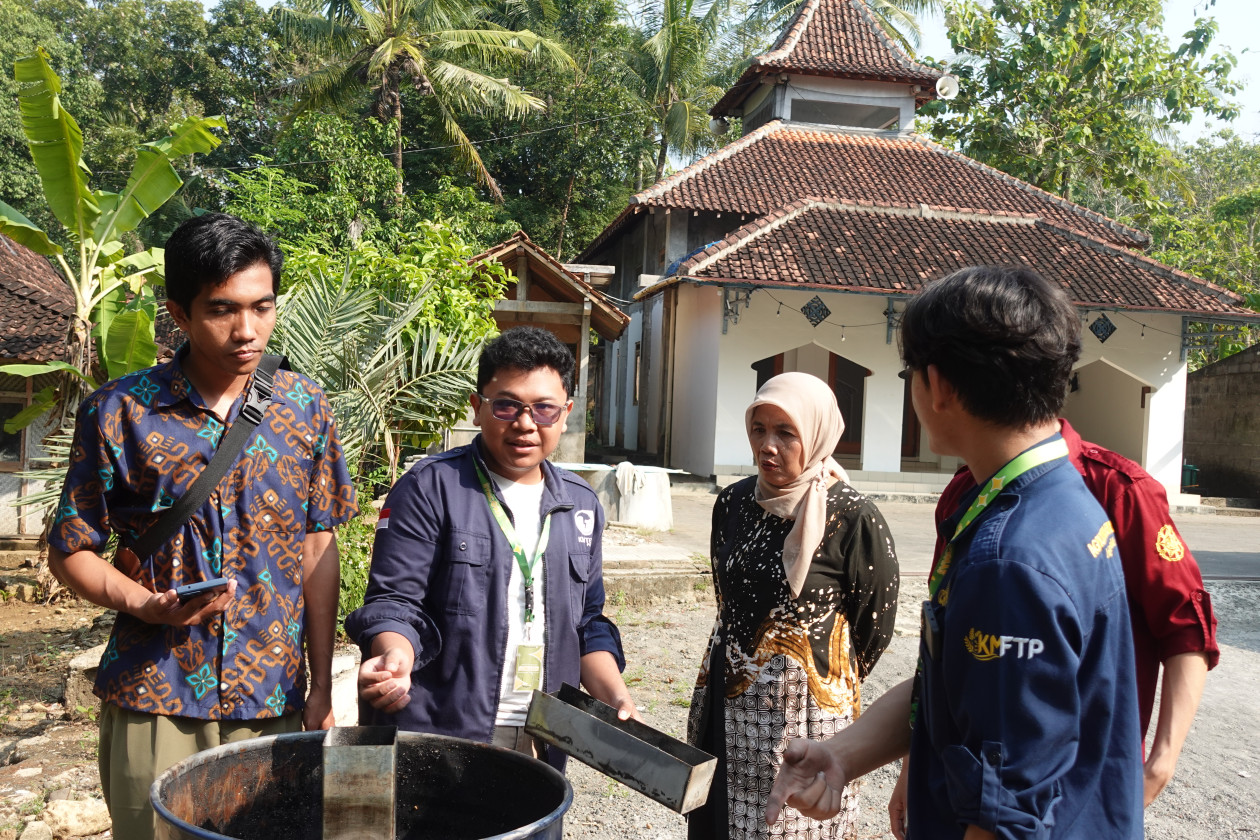
Beyond habitat monitoring, the interdisciplinary team has partnered with the Sahabat Maleo community in Mamuju to strengthen conservation efforts. Together, they are preparing information boards for nesting sites, organizing public education campaigns on Maleo conservation, and holding an educational festival featuring a musical drama.
“We hope these concrete actions will increase public awareness of the importance of protecting the Maleo,” Amal said.
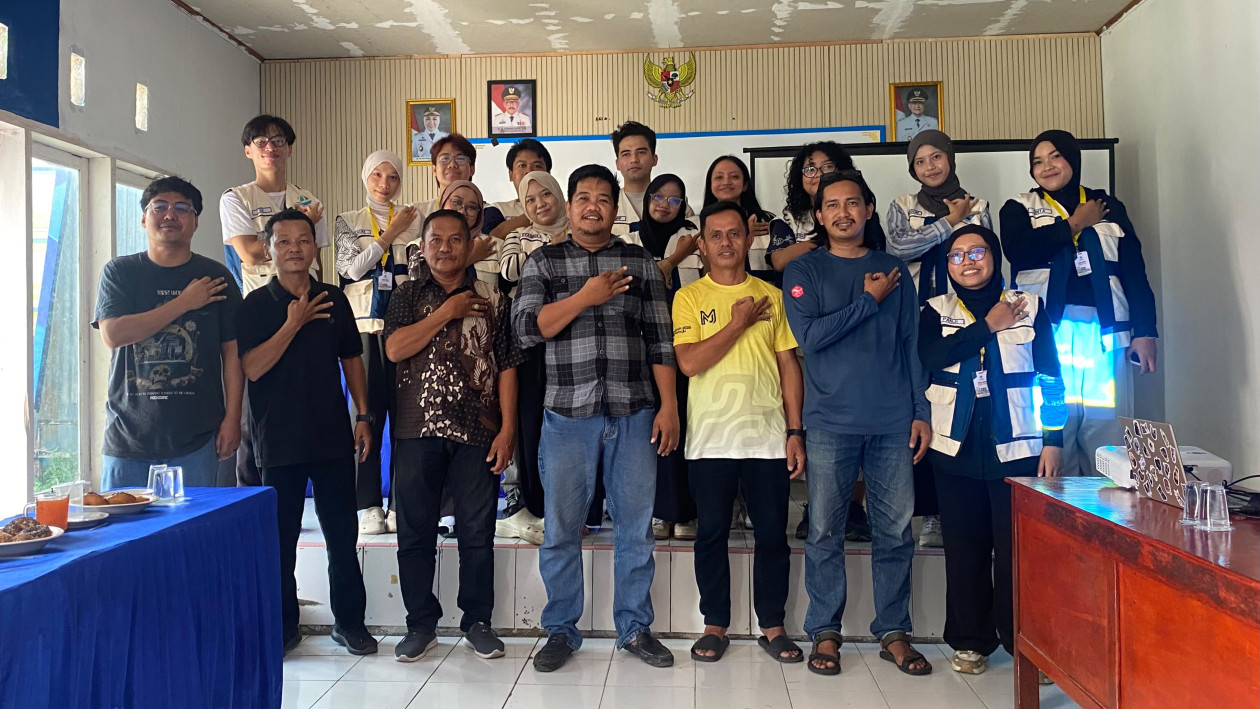
The students are also mapping seawater intrusion in Sumare and Tapandullu villages after discovering that several community wells had become brackish because seawater had seeped into groundwater.
Science and Technology Cluster Student Coordinator Muhammad Zidan explained that the team assessed water quality using a water testing kit to measure temperature, pH, and Total Dissolved Solids (TDS).
The results will be used to map the distribution of wells affected by seawater intrusion. According to Zidan, the map will help residents better understand the quality of their water sources while providing village authorities with data to support future clean water management.
“Through this mapping, residents will be able to identify which wells or water sources have been affected by seawater intrusion,” he said.
Beyond conservation and water monitoring, the students are implementing community empowerment programs in health and environmental sustainability. One initiative establishes Family Medicinal Plant (TOGA) gardens to encourage households to cultivate herbal plants for daily use.
The team is also working with residents to plant 700 mangrove seedlings to strengthen coastal ecosystems and reduce the risk of shoreline erosion.
Reflecting on the program, Amal acknowledged that implementing community service activities in Mamuju has required the team to adapt many of its original work plans. Field observations revealed that several community priorities differed from the initial assessment conducted before deployment, prompting the students to adjust their programs to meet local needs better.
Despite those challenges, he hopes the initiatives introduced during the KKN program will continue after the students return home.
“We hope that everything initiated during KKN will become a foundation for future village development and continue to provide long-term benefits,” he concluded.
Author: Agito Sitepu
Editor: Gusti Grehenson
Post Editor: Zabrina Kumara
Photo: Magnific and KKN Team Documentation