



Indonesia’s Ministry of Health has increased vigilance at the country’s entry points after reports of a suspected plague outbreak in Irkutsk, Siberia, Russia. The case emerged after a laboratory worker died in circumstances suspected to be closely associated with exposure to Yersinia pestis, the bacterium that causes plague. The case subsequently raised concerns about a possible plague outbreak. However, Russian authorities said the death was caused by pneumonia of undetermined origin.
In response, Professor Tri Wibawa, M.D., Ph.D., Sp.MK(K), a professor at Universitas Gadjah Mada’s Faculty of Medicine, Public Health, and Nursing (FK-KMK UGM), emphasized the importance of approaching circulating reports with caution to avoid unnecessary public panic.
“As of now, it remains unclear what happened in Russia, whether it was plague or another disease. Therefore, we cannot speculate about its potential spread or transmission mechanisms in Indonesia,” Tri said on Monday (Oct. 12).
Nevertheless, Tri explained that vigilance against plague remains necessary because Y. pestis is still found in wild rodents, which can carry the disease.
“This means there is always a possibility of plague emerging in humans, even though no human plague cases have been reported in Indonesia for decades,” he said.
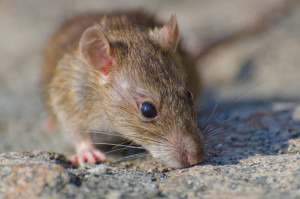
Tri explained that plague is an infectious disease primarily transmitted through bites from infected fleas, particularly those that infest rats. Transmission can also occur through direct contact with the bodily fluids or tissues of infected animals, as well as through droplets containing the bacteria.
Tri added that plague can manifest in several forms. One of the most serious is pneumonic plague, an infection that affects lung tissue.
“This form can be transmitted from animals to humans and from person to person through droplets,” he added.
To anticipate the possible emergence of plague, Tri stressed the importance of strengthening ongoing surveillance for Y. pestis in vectors, particularly rats. He also recommended prioritizing rat population control, given that these rodents are part of the environment in which humans live.
According to Tri, preparedness among healthcare systems and health workers to recognize plague must also be strengthened. This is particularly important because the disease has not been reported in humans in Indonesia for a long time, making it crucial to recognize symptoms and provide appropriate treatment.
“Prompt and appropriate antibiotic therapy is key to treating this disease,” Tri concluded.
Author: Agito Sitepu
Editor: Gusti Grehenson
Post-editor: Zabrina Kumara
Photo: Magnific