


The world is currently experiencing the impacts of climate change and global warming, including rising sea levels, shifts in rainfall patterns, increased frequency of extreme weather events, and disruptions to coastal and marine ecosystems. These realities demonstrate that environmental transformations in the Arctic and Antarctic regions cannot be separated from their direct and indirect impacts on tropical countries, including Indonesia; strategic cooperation between tropical nations and polar countries is essential.
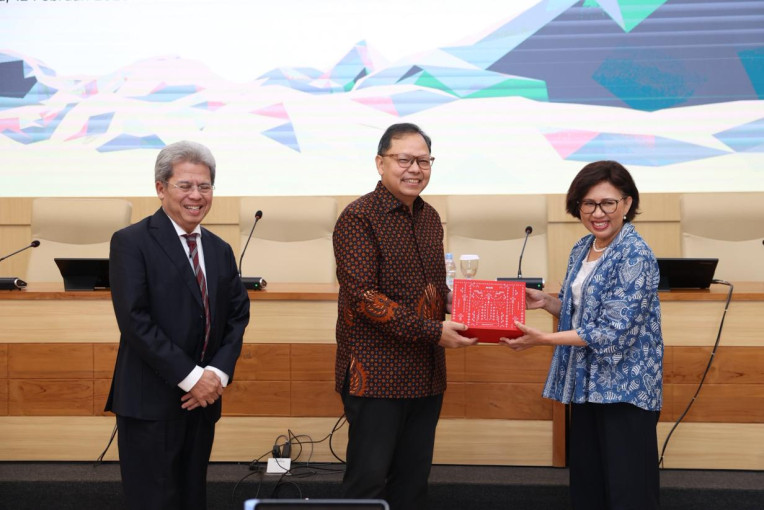
This issue was highlighted during the National Seminar titled “Indonesia in a Connected Tropical–Polar World,” held on Thursday (Dec. 2) at the Multimedia Room of the Central Office of Universitas Gadjah Mada (UGM).
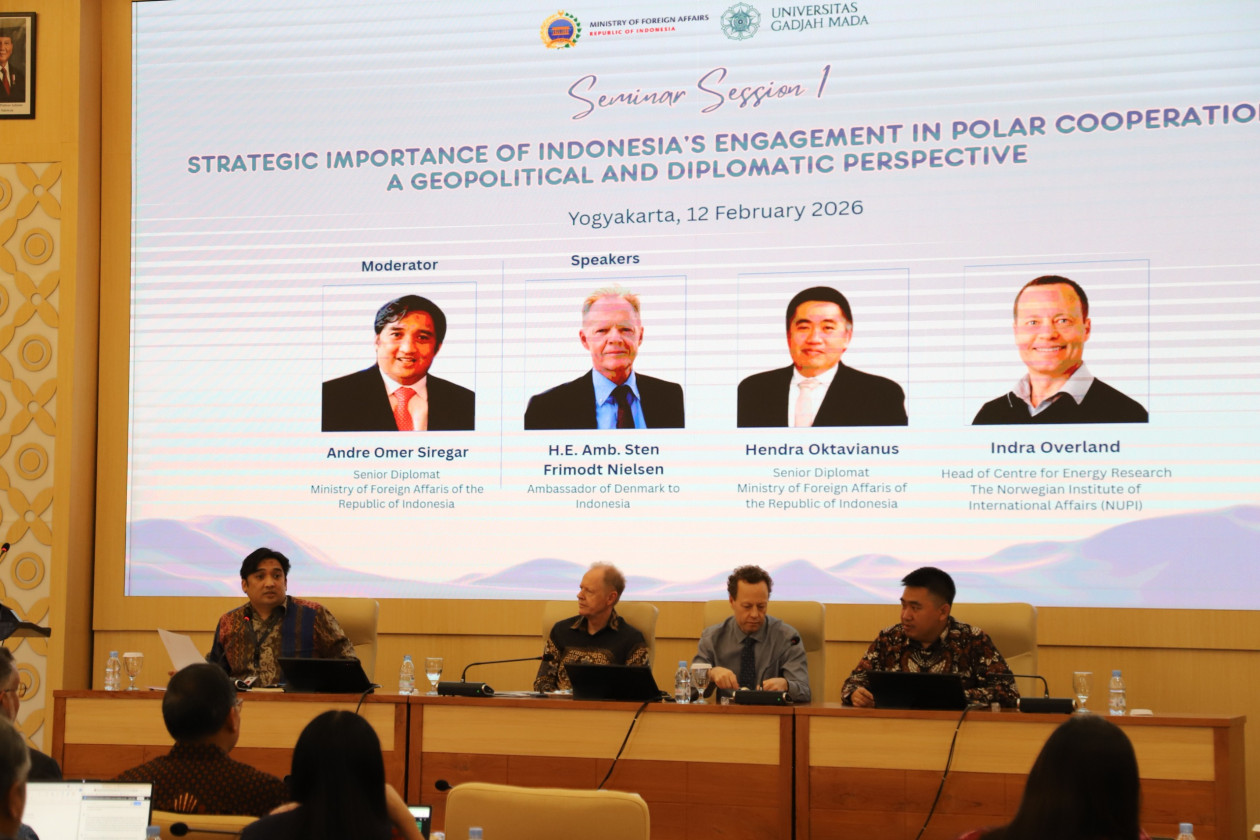
The seminar, organized by UGM in collaboration with the Directorate of Intra-Regional and Inter-Regional Cooperation for the Americas and Europe, the Directorate General of Americas and Europe, and the Ministry of Foreign Affairs of the Republic of Indonesia, featured several distinguished speakers.
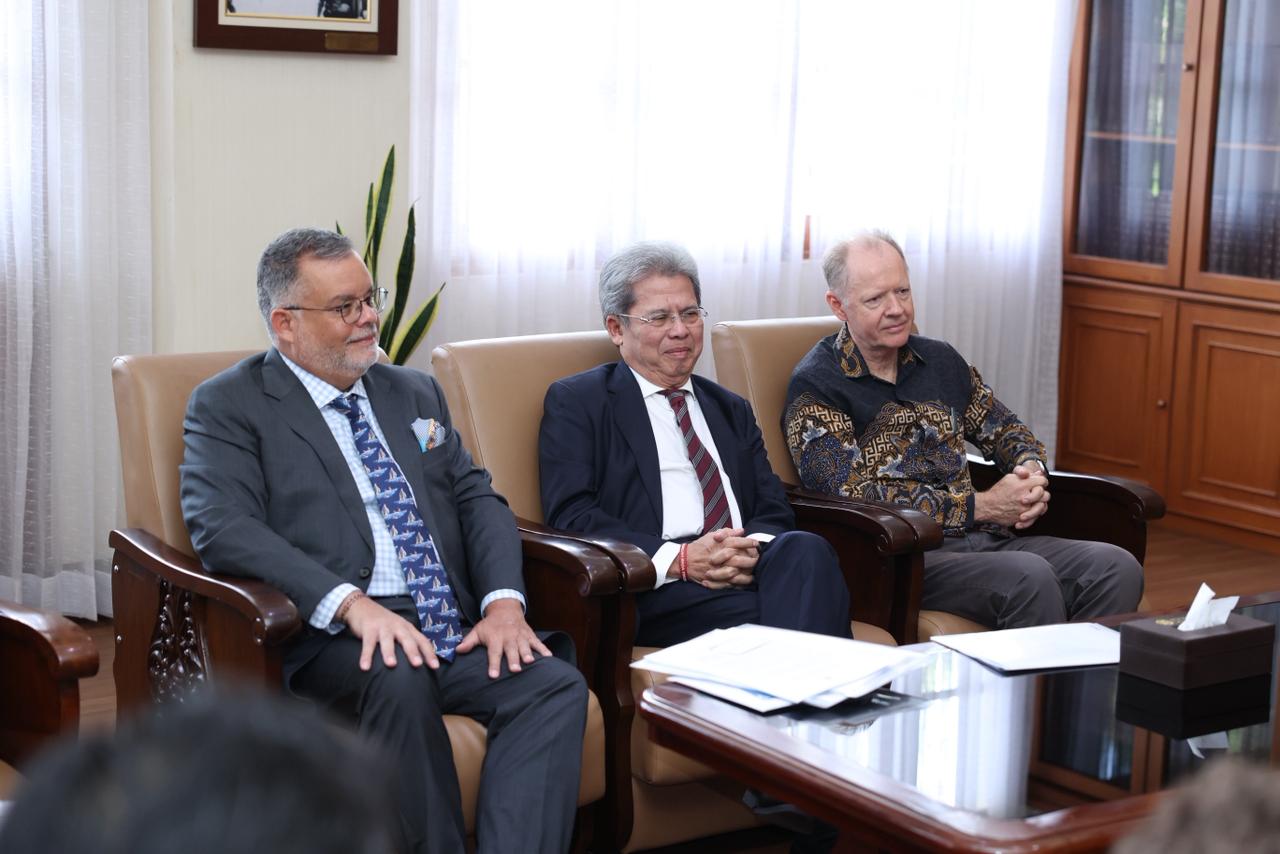
Among them was Advisor to the Minister of Foreign Affairs for Social, Cultural, and Human Development Affairs, H.E. Amb. Kamapradipta Isnomo; Ambassador of Denmark to Indonesia H.E. Amb. Sten Frimodt Nielsen; and Ambassador of Chile to Indonesia H.E. Amb. Mario Ignacio Artaza Loyola.
Also in attendance were senior diplomats from the Ministry of Foreign Affairs, Hendra Oktavianus and Andre Omer Siregar, as well as Ratih Damayanti, Director of Environmental, Maritime, Natural Resources, and Nuclear Policy at BRIN.
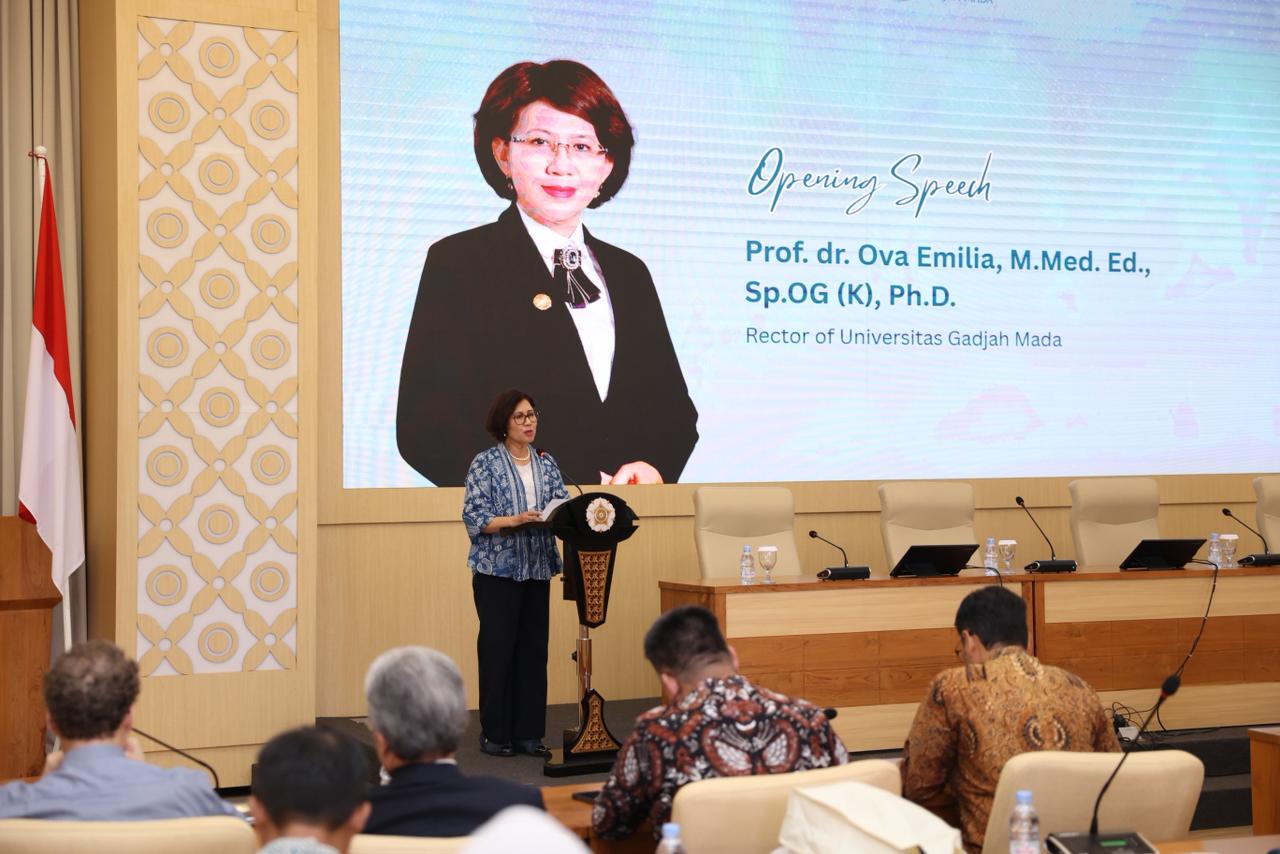
UGM Rector, Professor Ova Emilia, stated that environmental developments in the Arctic and Atlantic regions are directly linked to Indonesia’s interests. According to Professor Emilia, transformations in the polar regions have direct implications for Indonesia, particularly rising sea levels.
“These challenges affirm that geographic distance no longer determines a region’s strategic relevance,” she emphasized.
Professor Emilia further noted that Indonesia can no longer position itself solely as a recipient of the impacts of global environmental change. Instead, it must take a more active role in advancing scientific knowledge and shaping international policy.
“Indonesia cannot remain merely an end recipient of global environmental change. It is time for us to play a more active role as contributors to scientific knowledge development and research-based policy at the global level,” she said.
She added that such active engagement is essential to safeguard national resilience while ensuring equal representation of the perspectives of tropical and archipelagic countries in global climate and polar discourse.
“This participation is not only about safeguarding national resilience but also about ensuring that the perspectives and experiences of tropical and archipelagic nations like Indonesia are fairly represented in global conversations,” she added.
On that occasion, she also underscored the importance of establishing a polar research center as a long-term strategic and institutional step.
“The establishment of a polar research center must be understood as a profound strategic move. It is a crucial platform for advancing climate adaptation, strengthening science diplomacy, and supporting Indonesia’s long-term national interests,” she said.
Professor Emilia emphasized that polar research is inherently multidisciplinary and requires an integrated approach, as challenges in polar regions cannot be addressed by a single discipline. Collaboration is needed across climate science, oceanography, biodiversity, energy systems, and geopolitical analysis.
“An integrated approach will ensure that research outcomes inform policy and contribute to global solutions,” she explained.
Echoing this perspective, H.E. Amb. Kamapradipta Isnomo stressed that polar regions are gaining increasing strategic significance, both for global climate system stability and for international geopolitical dynamics. Changes occurring in the Arctic and Antarctic affect not only global environmental balance but also the architecture of global governance, trade routes, energy security, and power configurations among nations.
“Today, polar regions are no longer distant territories disconnected from our interests. They play a central role in maintaining global climate stability while simultaneously serving as strategic arenas in international geopolitics,” Isnomo stated.
He affirmed that Indonesia has ample opportunity to participate more actively by strengthening scientific cooperation, knowledge-based diplomacy, and expanding research networks with international partners.
“Through research collaboration and science diplomacy, Indonesia can contribute constructively to polar governance. Such engagement is vital to ensure that the perspectives of tropical and archipelagic countries help shape global policy,” he said.
Isnomo also highlighted the crucial role of universities in building a strong, interdisciplinary knowledge base in polar studies. He expressed appreciation for UGM’s initiative in developing a Polar Studies Center as a strategic step to enhance national academic capacity.
“Universities hold a strategic position in fostering interdisciplinary research that bridges science and policy. UGM’s Polar Studies Center initiative marks significant progress in preparing Indonesia’s future experts in this field,” he remarked.
Former Ambassador of the Republic of Indonesia to Norway, Professor Todung Mulya Lubis, emphasized that polar regions represent a tangible example of international governance built upon science, international law, and multilateral cooperation.
“Polar regions demonstrate how science, law, and diplomacy can operate together within a framework of global governance. They serve as an important laboratory for modern multilateralism,” Professor Lubis stated.
He stressed that stability, sustainability, and the peaceful utilization of polar regions cannot be maintained without active involvement from both polar and non-polar countries.
“Safeguarding polar regions requires collective commitment grounded in climate justice and the close linkage between scientific knowledge and public policy. No single country can stand alone on this issue,” he asserted.
Professor Lubis also reminded participants that the futures of tropical and polar regions are interconnected and inseparable.
“Today’s discussion reminds us that the future of tropical and polar regions is one and the same. Indonesia must continue positioning itself not merely as an observer, but as an active contributor in global research, policy dialogue, and international cooperation, particularly concerning polar regions,” he concluded.
As an academic institution contributing to research development, UGM officially launched the Tropical–Polar Interconnection Research Group during the seminar. The group comprises UGM lecturers, experts, and researchers with expedition experience in polar regions, a track record in tropical–polar relationship studies, and research interests in interconnection issues between the two regions.
By establishing this research group, UGM is expected to strengthen Indonesia’s knowledge base on tropical–polar interconnections, promote interdisciplinary collaboration, and serve as a model for the development of polar studies at other Indonesian universities.
Through the seminar and the launch of this research group, UGM and the Ministry of Foreign Affairs reaffirmed their joint commitment to strengthening Indonesia’s position in global discussions on polar regions while building a more solid scientific and policy foundation for Indonesia’s engagement in global climate and environmental governance.
Author: Zabrina Kumara Putri
Editor: Gusti Grehenson
Post-editor: Jasmine Ferdian
Photographers: Firsto and Ika