


In 2026, the United Nations Population Fund (UNFPA) surveyed the demographic future, involving nearly 109,000 young adults aged 18–39 across 73 countries. The findings showed that the main prerequisites for becoming parents were financial security (88%), stable employment (87%), and emotional readiness (85%). Economic and housing barriers were the most important concerns for 72% of respondents. Based on these findings, countries need to strengthen institutional and societal resilience to anticipate population aging, changes in family structures, and urbanization.
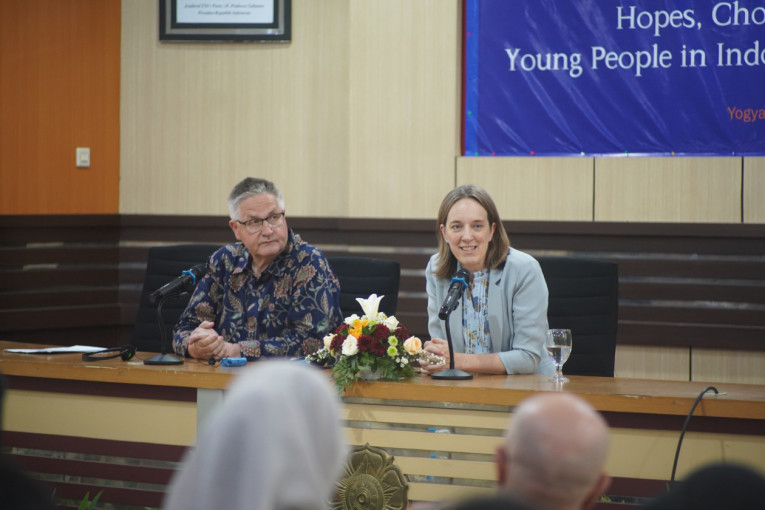
Andrew Saberton, United Nations Assistant Secretary-General and UNFPA Deputy Executive Director, shared these findings during a public lecture titled “Hopes, Choices, and the Future: Young People in Indonesia’s Population Dynamics” on Tuesday (Oct. 13) at the Auditorium of UGM’s Center for Population and Policy Studies (PSKK).
Demographic change takes different forms, including population aging, migration, and urbanization, requiring population policies to focus on expanding individual choices. Demographic indicators are important, but statistics alone cannot capture people’s lived experiences.
“The demographic future is shaped not only by numbers but also by the opportunities available to people and the choices they can make,” Andrew explained.
He also highlighted UGM’s role in connecting demographic evidence across disciplines. The university’s strengths in geography, public policy, health, gender, social protection, and development provide an important bridge between research and policymaking. Researchers and students can help strengthen what is changing but also who is most affected.
Indonesia’s demographic future will not be determined solely by fertility rates, age structures, or projections. It will also depend on young people’s capabilities, opportunities, and freedom to pursue lives they value, as well as institutions’ readiness to respond to changing needs across generations.
“The essence of resilience lies in anticipating change, investing throughout the life course, protecting rights and agency, reducing inequalities, and building systems that remain responsive in both normal times and times of crisis,” Andrew said.
Meanwhile, Norway’s Ambassador to Indonesia, Kaja Glom, explained that a working-age population can be an advantage for a country when young people have access to education, decent employment, health services, and meaningful participation in society. The issue is not simply the size of the younger generation but the choices available to them.
Gender equality is essential to ensuring equal access to resources and opportunities. In Norway, women can complete their education, enter the labor market, own assets and property, participate in public life, and make decisions about their own futures. Gender equality also concerns how power, influence, and resources are distributed.
“Development is not only about national growth but also about ensuring that young people, particularly young women, have the freedom, health, and opportunities to shape their own futures,” she said.
Young people’s voices are crucial to shaping the future. No country can fully realize its human capital potential if half its population faces barriers to education, employment, leadership, or health services. Universities therefore have an important role in producing scientific evidence, challenging assumptions, and ensuring that policies reflect people’s actual circumstances.
“If development provides young people with genuine choices to learn, work, participate, live safely, and, above all, make their own decisions about their bodies and futures, then development has real meaning,” she said.
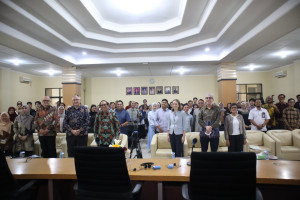
Wirastuti Widyatmanti, Ph.D., head of UGM’s Bureau of Strategic Management (BMS), said that discussions of population issues in Indonesia often focus on numbers, population size, age structure, fertility, and urbanization. However, many young people still face family pressure when making life decisions, including pursuing further education and entering the workforce.
“Indonesia’s future will be determined not only by the size of its young population but also by the quality of its people and the opportunities available to them to contribute,” she said.
Author: Jesi
Editor: Gusti Grehenson
Post-editor: Jasmine Ferdian
Photo: PSKK Documentation