


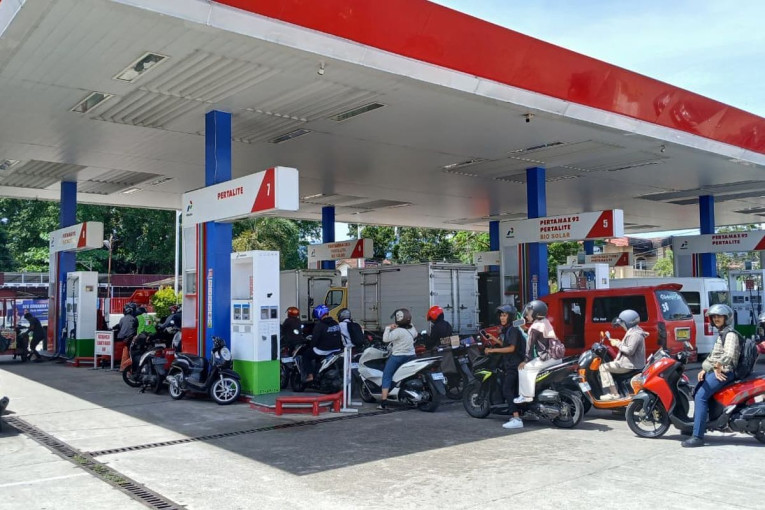
The increase in non-subsidized fuel prices, specifically Pertamax, effective June 10, 2026, has drawn attention across sectors, including agriculture and food. Although not all agricultural activities use Pertamax directly, the fuel price increase could raise costs across links in the agribusiness chain. The impact will not only be borne by the upstream sector but will also affect the distribution and marketing of agricultural products. This situation may put pressure on business profits and influence consumer prices.
Hani Perwitasari, a lecturer in the Agricultural Socioeconomics and Agribusiness Study Program at the Faculty of Agriculture, Universitas Gadjah Mada (FTP UGM), evaluates that the increase in Pertamax prices could have a significant impact on the agribusiness sector. Food mobility remains highly dependent on transportation, meaning changes in energy costs will affect various parties involved in the food supply chain.
Producers, distributors, and traders may face additional operational expenses. Ultimately, these conditions could reduce the profit margins that businesses have traditionally earned.
“The impact will certainly be substantial because food mobility relies on transportation that requires fuel. In the end, costs increase, and business profits decline,” she said on Thursday (Jun. 18).
Hani explained that the impact of higher fuel prices can be felt throughout the agribusiness chain, from production and post-harvest activities to distribution and marketing. Each stage requires considerable energy and transportation support, meaning fuel price changes will affect business cost structures.
However, the distribution sector is expected to be the most vulnerable, as it directly moves goods from production centers to markets. The greater the distribution distance, the higher the potential increase in costs borne by businesses.
“Within the marketing chain or value chain, from production and post-harvest activities to distribution and marketing, every stage will be affected by this fuel price increase,” she said.
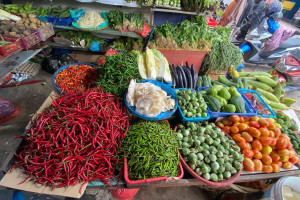
Nonetheless, Hani believes that rising operational costs do not automatically lead to higher food prices for consumers. Businesses generally maintain consumers’ purchasing power through various adjustments before raising product prices.
Common strategies include reducing profit margins, decreasing product size, or improving operational efficiency. These measures are often taken to prevent consumers from switching to lower-priced alternatives.
Sometimes it is easier to reduce product quality or size than to immediately increase prices because businesses must also consider consumer responses,” she explained.
According to Hani, pressure from rising energy costs is likely to be felt by various groups, particularly small businesses and lower-income households. She cited coffee-processing businesses as an example: they face rising production costs but are not always able to raise selling prices due to market constraints. This illustrates how businesses often absorb part of the cost increases to retain customers. As a result, their profits become limited.
“Production inputs are becoming more expensive, but businesses cannot necessarily raise prices immediately because they must consider consumers’ purchasing power,” she said.
To reduce the impact of energy price fluctuations on the food sector, Hani emphasized the importance of well-targeted government support, particularly for lower- and middle-income groups. In addition, strengthening domestic production and enhancing food self-sufficiency must continue to be encouraged to reduce Indonesia’s vulnerability to global price fluctuations.
According to her, the ability to meet national needs through domestic production will help maintain economic stability while enhancing national competitiveness. This way, the impact of energy price changes in international markets can be minimized.
“As we become more self-sufficient in meeting our food needs and reduce dependence on imports, the influence of global price fluctuations can also be reduced,” she concluded.
Author: Triya Andriyani
Post-editor: Jasmine Ferdian
Photo: Kompas