


The Indonesian Ministry of Health reports that 4,000 pregnant women and 30,000 infants die each year. Efforts to reduce maternal and infant mortality cannot rely solely on medical approaches. Reproductive health issues must be viewed comprehensively by considering biological, psychological, social, cultural, and religious aspects.
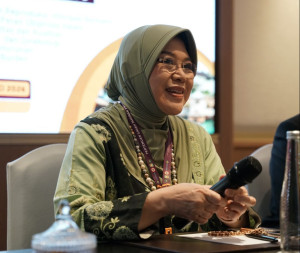
“If Indonesia, with its rich cultural diversity, is not approached in ways that are tailored to local conditions, these efforts will not succeed,” said Chair of the Central Executive Board of the Indonesian Society of Social Obstetrics and Gynecology (PP HOGSI), Professor Dwiana Ocviyanti, in a statement to reporters on Monday (May 18) regarding the results of the 17th Annual Scientific Meeting of the Indonesian Society of Social Obstetrics and Gynecology (HOGSI) 2026, held on May 11–13 at Royal Ambarrukmo Yogyakarta.
According to Professor Ocviyanti, stunting must be understood from the start of pregnancy. She explained that around one-third of stunting cases occur while the fetus is still in the womb, influenced by maternal health conditions such as anemia, malnutrition, infection, or pregnancy complications. The remaining two-thirds develop during the first two years of a child’s life, strongly influenced by breastfeeding, immunization, parenting practices, infection prevention, and the quality of the child’s living environment.
She emphasized the need for close collaboration among midwives, nurses, nutritionists, psychologists, and other health workers to ensure comprehensive care for mothers and children, from prevention and early detection to the management of complications.
She added that the quality of health services is closely tied to the quality of health professional education.
“We are committed to supporting the capacity building of health workers through training, workshops, and strengthening the role of specialist doctors as educators in medical faculties, midwifery schools, and health education institutions. This will create competent human resources in maternal and child health care,” she concluded.
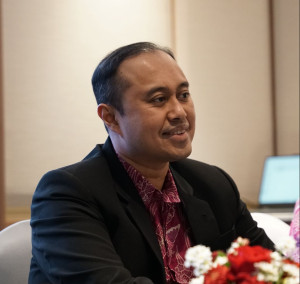
The Chair of the 17th Annual Scientific Meeting Committee of HOGSI and a lecturer in Obstetrics and Gynecology at the Faculty of Medicine, Public Health, and Nursing, Universitas Gadjah Mada (FK-KMK UGM), Dr. Eugenius Phyowai Ganap, emphasized the importance of integrating advances in medical science with long-standing cultural values in safeguarding maternal and child health.
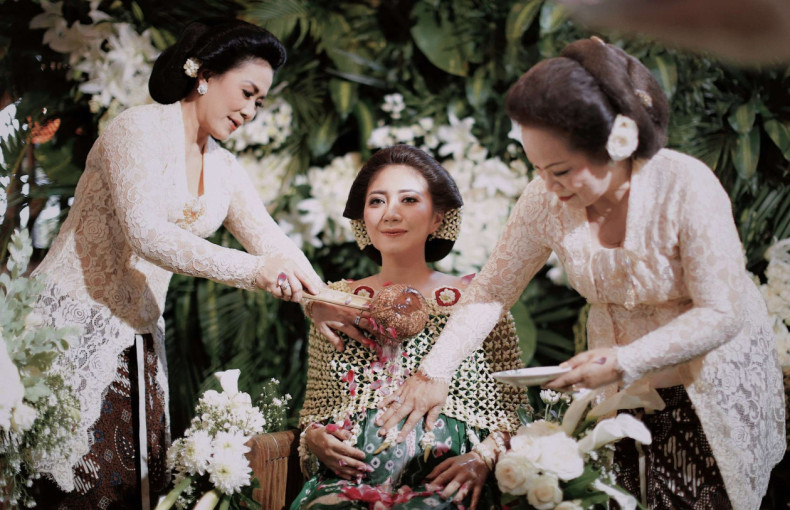
He noted that traditions such as mitoni (a Javanese ceremony celebrating the seventh month of pregnancy) and tedak siten (a ceremony marking a baby’s first steps) reflect a collective awareness that pregnancy is not solely the mother’s responsibility but a shared responsibility of the surrounding community.
“Javanese philosophy through traditions like mitoni and tedak siten shows that communities have long had an awareness of collectively safeguarding pregnant women. With advances in medical science, we package these values into a scientific approach to support maternal and child health,” he explained.
Before the main symposium, he explained that the 17th PIT HOGSI committee organized six training sessions covering the management of violence against women and children, detection of precancerous cervical lesions, Audit Maternal Perinatal Surveillance and Response (AMPSR), teaching techniques for doctors, and the development of obstetrics and gynecology education centers.
He noted that the entire series of activities was designed so participants would not only gain updated knowledge but also be able to apply it in health services in their respective regions.
“We provide training so obstetricians and gynecologists are well prepared when they take on teaching roles,” he added.
Author: Cyntia Noviana
Editor: Gusti Grehenson
Post-editor: Rajendra Arya
Photo: Salwa and RRI/Lucedale