


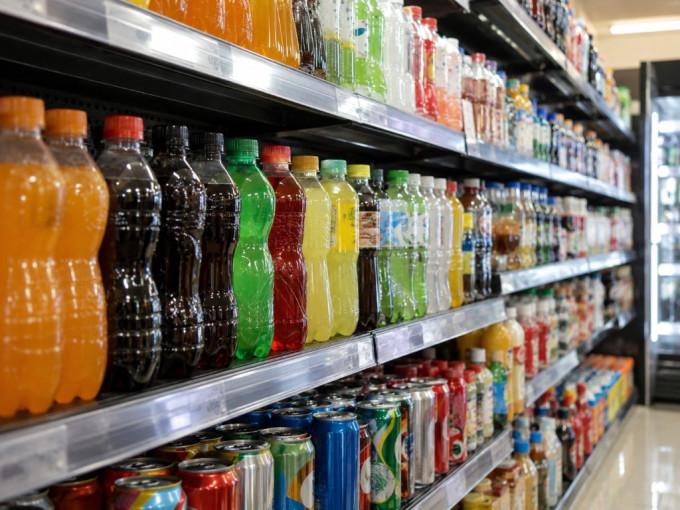
The planned implementation of an excise tax on sugar-sweetened beverages (SSBs) has been postponed again. Amid the regulatory delay, implementing this fiscal policy requires clear government objectives, both for public health protection and for the sustainability of the industry and its workforce.
Artidiatun Adji, a lecturer at the Faculty of Economics and Business of Universitas Gadjah Mada (FEB UGM), explained that the effectiveness of increasing product prices through excise taxes in reducing SSB consumption largely depends on price elasticity of demand. Citing a 2022 study by the Center for Indonesia’s Strategic Development Initiatives (CISDI), a 1% increase in SSB prices is estimated to reduce consumption by 1.09%.
Meanwhile, a 2023 study by the Institute for Economic and Social Research at the University of Indonesia’s Faculty of Economics and Business (LPEM FEB UI) found that consumption could decline by as much as 1.7%.
“SSB consumption is influenced not only by prices but also by people’s income and education levels. The higher a person’s level of education, the greater their health awareness tends to be, resulting in lower SSB consumption,” Artidiatun said on Friday (October 30).
Addressing the repeated postponements of the SSB excise policy, Artidiatun pointed to the potentially significant influence of SSB industry lobbying on Parliament. She emphasized that, in the initial stages, government revenue and reduced SSB consumption should go hand in hand rather than work against each other.
“The trade-off between reducing consumption and declining government revenue will only emerge several years after the SSB excise tax is actually implemented. As long as the regulation remains unenforced, the government receives no excise revenue, and no reduction in consumption is achieved,” she stressed.
One of the biggest challenges of this policy is the potential shift in people’s consumption patterns. According to Artidiatun, the excise tax’s effects will depend heavily on socioeconomic status and education levels.
Health-conscious people from higher-income groups tend to switch to mineral water. Conversely, people with lower levels of health education may be more likely to switch to unpackaged sugary drinks, such as iced tea sold by street vendors, which are more affordable but still contain high levels of sugar.
If this shift occurs on a large scale, the SSB excise tax’s effectiveness in reducing diseases such as diabetes could be undermined.
Regarding concerns about the policy’s impact on industry and employment, Artidiatun emphasized the need to set precise excise rates based on a reassessment of price elasticity of demand, income levels, and product substitution.
She also highlighted the importance of efficiency and equity. If the objective is to reduce diabetes rates across the population, excise taxes should ideally cover a broader range of sugar products. However, this approach raises social equity concerns.
“Imposing excise taxes on sugar in general would be inequitable because low-income households spend a much larger proportion of their income on sugar, a basic food ingredient, than wealthier households,” she explained.
In conclusion, Artidiatun stressed that before formulating an excise tax scheme, the government must first establish its primary objectives: whether to reduce consumption, protect employment, or increase state revenue.
This is essential to ensure that the resulting policy is well-targeted and equitable.
Author: Adinda Putri Rahma
Editor: Gusti Grehenson
Post-Editor: Priyananda
Photo: ikpi.or.id