


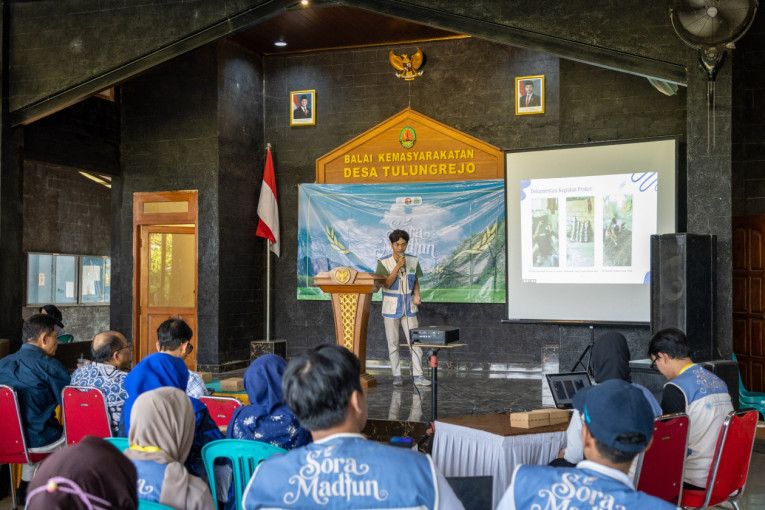
The agricultural potential, rich cultural heritage, and growing MSMEs have formed the basis for initiatives developed by Universitas Gadjah Mada’s Community Service Program (KKN-PPM UGM) students from the Sora Madiun Unit to promote an integrated, agriculture-based tourism village. The students presented these initiatives during a monitoring and evaluation session on the KKN program at the Tulungrejo Village Hall in Madiun Regency on Thursday (Jul. 9), where they received feedback to strengthen their programs so their benefits can be sustained by the local community.
Professor Nanung Agus Fitriyanto, Head of the KKN Subdirectorate at UGM’s Directorate of Community Service, stated that the KKN program is an integral part of the student learning process designed to generate tangible contributions to society. He added that the program, which has been a UGM tradition since the university’s establishment, reflects the university’s close engagement with communities through public service. Therefore, every program implemented by students is expected to address community needs while creating opportunities for collaboration with various stakeholders.
“KKN is indeed a compulsory course. However, we expect students not merely to fulfill an academic requirement but to make meaningful contributions to the community. That is the primary objective of the KKN program,” he said.
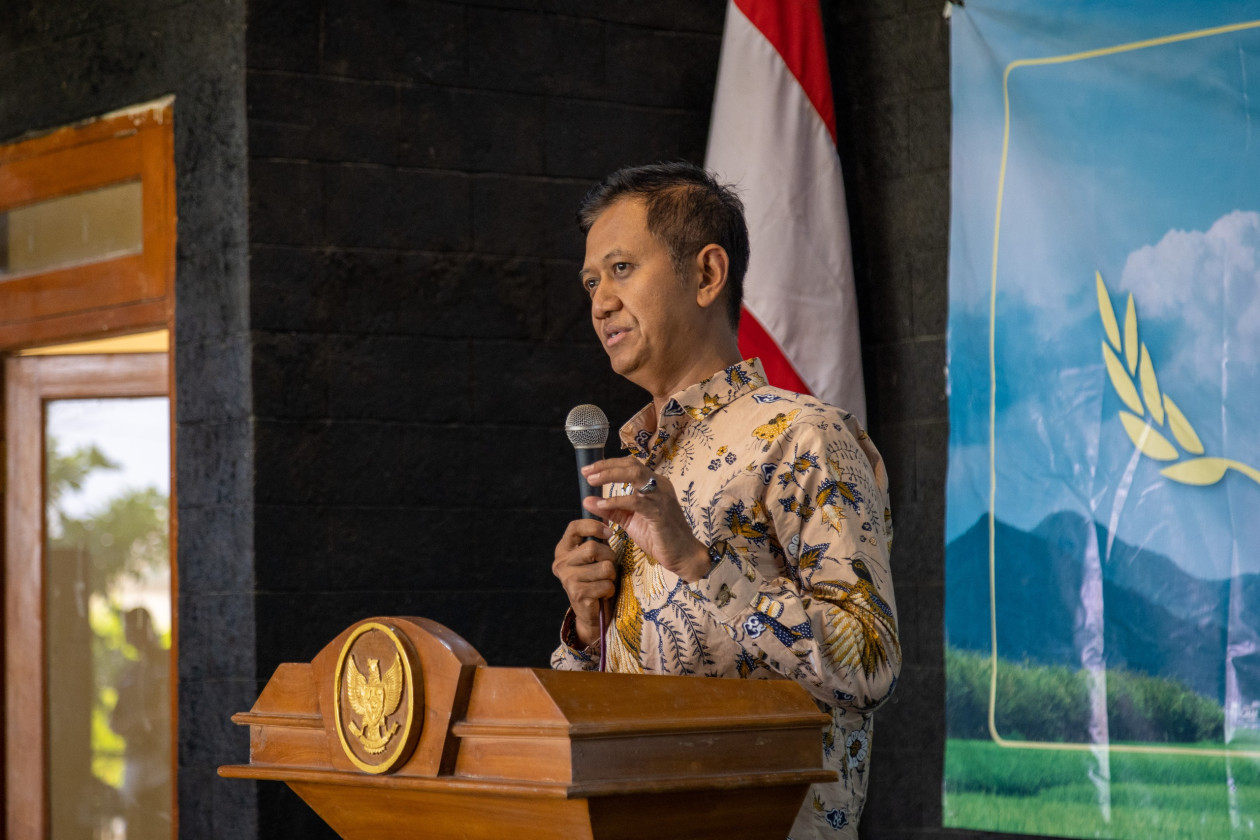
Professor Nanung also explained that UGM will introduce the Gamagora rice variety to farmers in Madiun District. Before reaching Madiun, the variety had already been cultivated in several regions, including Enggano Island, Bengkulu. He noted that evaluation results from cultivation trials in Gunungsari Village will serve as the basis for assessing whether Gamagora can be expanded to other areas in Madiun.
“If this technology proves to have a broad impact and provides significant benefits to the community, it will become an important milestone in making UGM’s contributions more tangible for society,” he said.
In their presentation, the KKN students assigned to Tulungrejo Village outlined various programs to strengthen MSMEs by assisting with business legalization, product certification, branding, and promotion. The team also organized public health education activities and coordinated with the village government and farmer groups to support agricultural development. These initiatives were designed based on observations of community needs conducted at the beginning of the KKN program. This approach is expected to strengthen community capacity while supporting the sustainable development of the village’s potential.
Meanwhile, students assigned to Gunungsari Village identified the Purabaya Museum as one of the village’s key tourism assets. Building on that asset, the KKN team documented the museum’s collections, prepared descriptions for each exhibit, and developed supporting materials to make historical information more accessible to visitors. In addition, the students contributed to the development of Pundensari Market by creating designated photo spots to enhance its appeal as a tourist destination while supporting the promotion of local MSMEs. The program was complemented by assistance in developing family medicinal plant (TOGA) gardens as part of community empowerment efforts.
In Tanjungrejo Village, the students utilized the area’s historical, cultural, and agricultural assets as the foundation for tourism village development. Their programs included documenting cultural heritage, preparing a tourism potential catalog, developing the village website, assisting in establishing a Tourism Awareness Group (Pokdarwis), and coordinating with farmer groups to strengthen the agricultural sector. The students also organized community-based activities to promote the village through local culture. These initiatives are expected to strengthen the village’s identity while increasing the added value of its local resources.
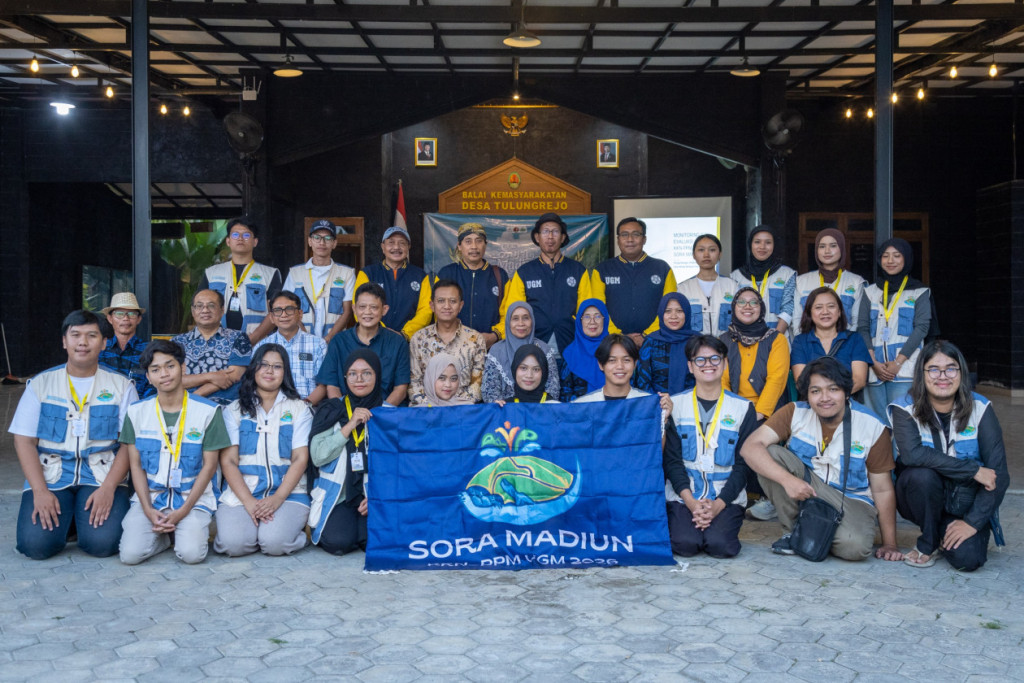
Support for ensuring the sustainability of these programs has also come from the Madiun Chapter of the Universitas Gadjah Mada Alumni Family (KAGAMA UGM). Through its network of alumni from diverse professional backgrounds, KAGAMA is committed to supporting the continuation of programs initiated by the students, including strengthening MSME legal compliance, assisting agricultural development, and promoting tourism villages. This support is expected to expand collaboration among UGM, local governments, and communities, ensuring that the benefits of the KKN program continue after students complete their community service.
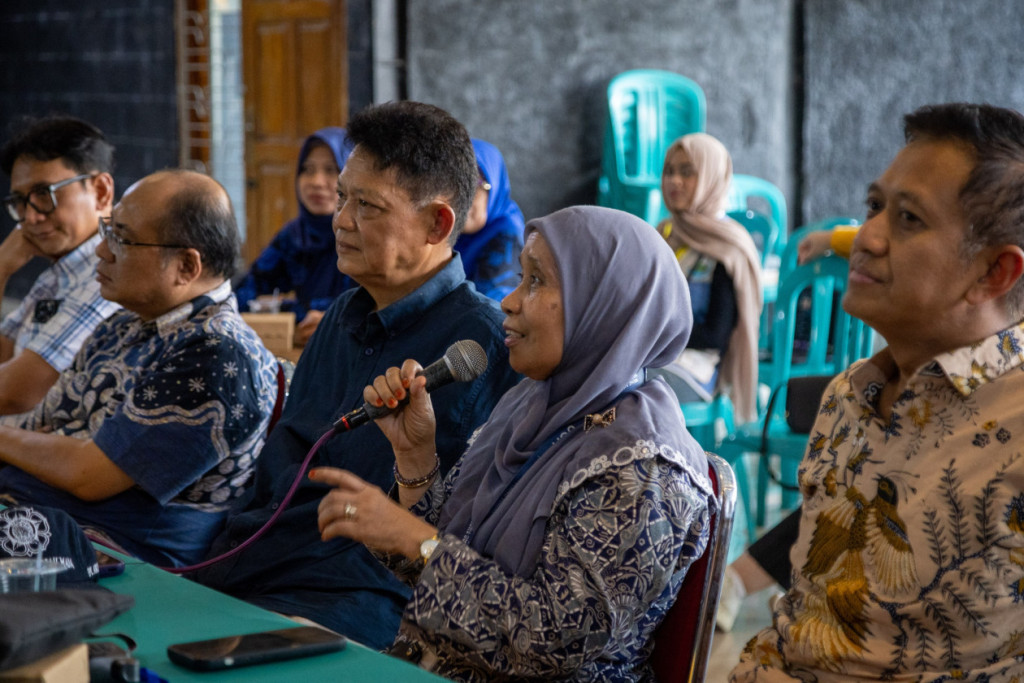
During the evaluation session, the Academic Senate Commission II of UGM reminded students that every program should extend beyond the implementation stage. Students were encouraged to ensure that their initiatives are adopted by the community and continue developing after the KKN program concludes.
“When you develop a program, do not assume your work is finished. Continue monitoring it. See whether it has been implemented, ask what challenges remain, and identify any issues that can be discussed together,” said Professor T. Yoyok Wahyu Subroto.
Maryadi, a representative of the Tulungrejo Village Government, welcomed the students’ programs during the KKN program. He expressed hope that collaboration between UGM and the village government would continue so the innovations introduced could provide broader benefits for the community.
“We are very open to ensuring that UGM’s KKN program contributes to the advancement of our village and neighboring villages,” he concluded.
Author: Triya Andriyani
Post-Editor: Priyanandaningrat
Photo: Donnie