


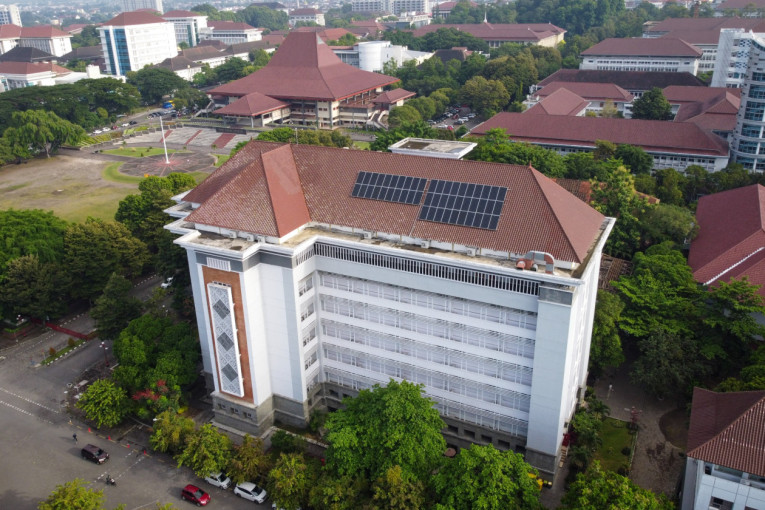
Universitas Gadjah Mada (UGM) has received the Indonesia Solar Award 2026 in the Educational Institutions/Universities category, earning recognition as the Leading University in Supporting Solar Energy Development from the Institute for Essential Services Reform (IESR).
The award was presented during the Indonesia Solar Summit 2026, held at the Bali Beach Convention Center, The Meru, Sanur, Bali, on Tuesday (July 14). Indonesia’s Minister of Energy and Mineral Resources, Bahlil Lahadalia, and IESR Chief Executive Officer Fabby Tumiwa presented the award, which was accepted on behalf of UGM by Dr. I Wayan Mustika, a solar energy researcher from the Faculty of Engineering.
Dr. Wayan said the recognition reflects UGM’s long-standing commitment to advancing solar energy through education, research, community service, and national and international collaboration. The award also recognizes institutions that have made tangible contributions to accelerating the development and adoption of solar energy in Indonesia.
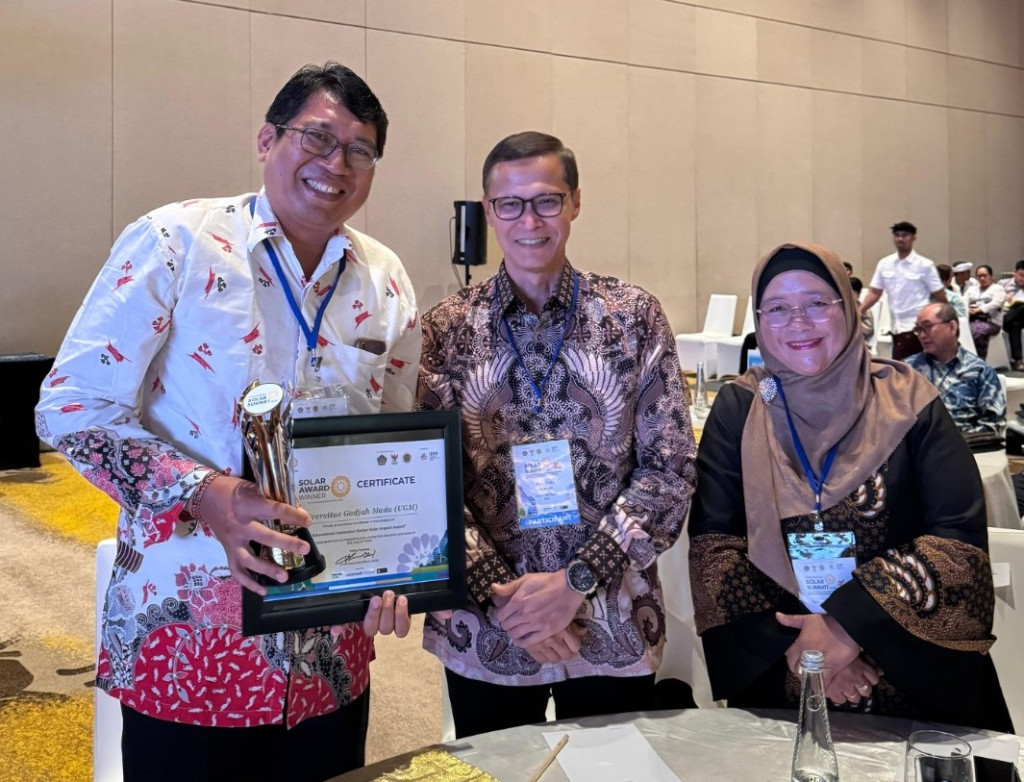
“This award confirms that UGM’s journey toward becoming a sustainable university is on the right track,” Dr. Wayan said on Monday (July 20).
He explained that the university category evaluates how solar energy is integrated into teaching, research, laboratories, campus operations, and student capacity-building in renewable energy. It recognizes universities not only as users of clean energy technologies but also as centers for knowledge creation, innovation, and human resource development.
At UGM, solar energy has been incorporated into both undergraduate and graduate curricula. The university’s researchers also regularly publish internationally on photovoltaic technology, solar energy systems, and the energy transition.
“UGM also operates laboratory and living laboratory facilities, including the Engineering Research and Innovation Center (ERIC) and the CLT Nusantara Pavilion, which serve as learning facilities and demonstration sites for solar energy,” he said.
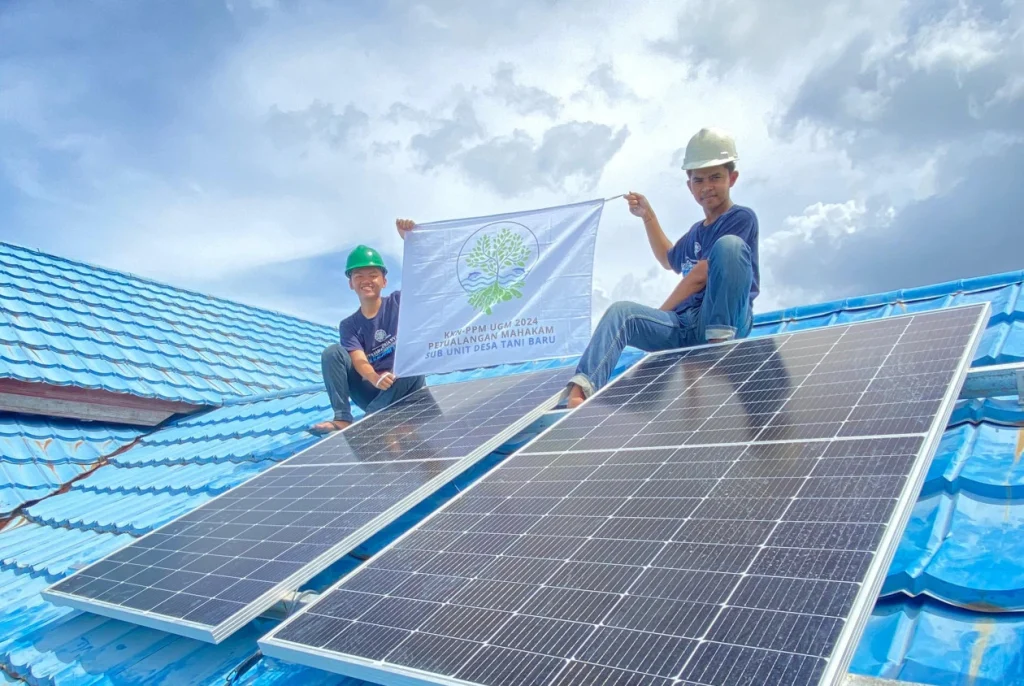
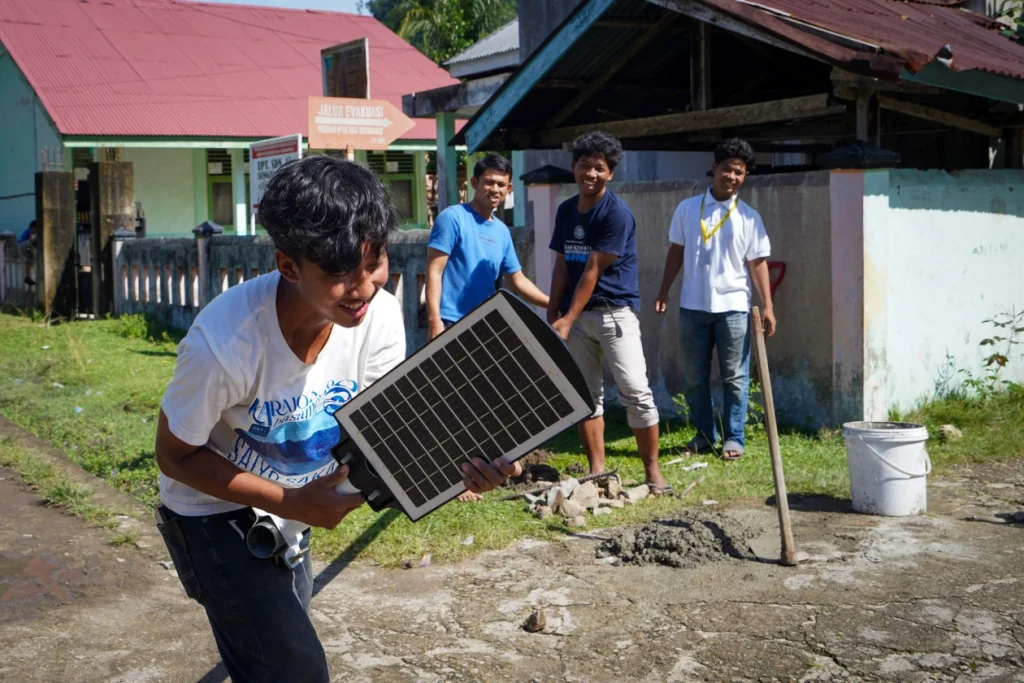
Beyond campus, UGM develops community service programs that utilize solar energy in villages, agriculture, livestock, and public facilities while strengthening partnerships with national and international institutions.
“This award recognizes the sustainable ecosystem that UGM has built over the years and reflects the collective efforts of many units across the university,” he said.
The award submission was prepared by lecturers and staff from the Faculty of Engineering together with several renewable energy research groups, supported by researchers actively publishing in the field of solar energy. Dr. Wayan noted that the achievement was made possible through the collaboration of university leaders, faculties, laboratories, students, and external partners in advancing education, research, and community service related to solar energy.
Despite the achievement, he acknowledged that renewable energy initiatives at UGM remain fragmented and have yet to be fully integrated. Renewable energy courses, for example, are still offered independently by individual departments, while research and community service activities continue to operate separately, resulting in dispersed data and limited coordination.
“The implementation of renewable energy at UGM has also progressed more slowly because investors have yet to find a mutually beneficial business model,” he explained.
Looking ahead, Dr. Wayan said he hopes to strengthen UGM’s contribution to renewable energy further while pursuing greater international recognition. He also expressed hope that the award would inspire other universities to help accelerate Indonesia’s energy transition, which requires close collaboration among universities, government, industry, and society.
He added that universities play a vital role in preparing skilled human resources, generating innovation, and supporting technological advancement in renewable energy. For UGM, solar energy is not merely a source of electricity but part of the university’s broader commitment to contributing to the Sustainable Development Goals (SDGs), particularly Affordable and Clean Energy, Climate Action, Industry, Innovation and Infrastructure, and Partnerships for the Goals.
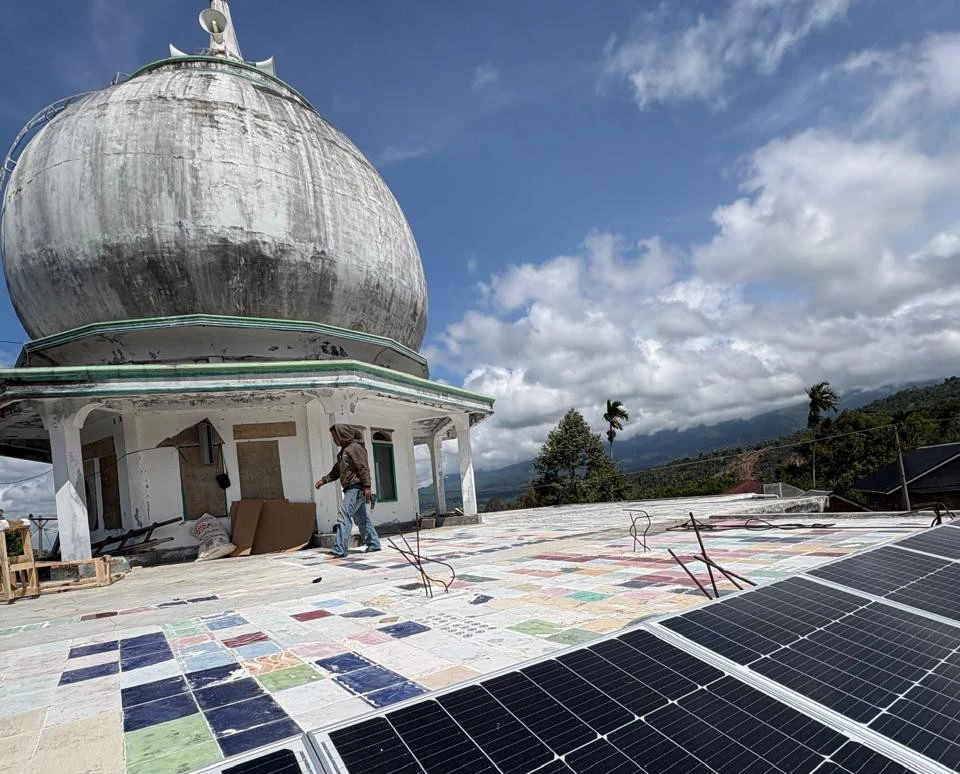
“In this way, the university will not only produce graduates and scientific publications but also solutions that can be applied directly to support Indonesia’s energy transition,” he said.
Dr. Wayan also thanked the Institute for Essential Services Reform for the recognition, saying it would encourage UGM to continue advancing solar energy initiatives and contributing to Indonesia’s transition toward a more sustainable energy future.
Author: Leony
Editor: Gusti Grehenson
Post-Editor: Priyanandaningrat
Photo: UGM Public Relations and Dr. I Wayan Mustika