SDG 2: Zero Hunger
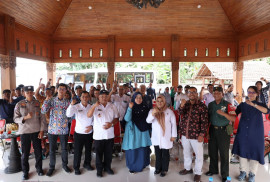
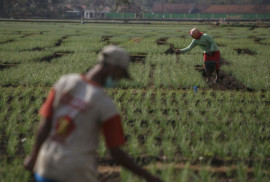
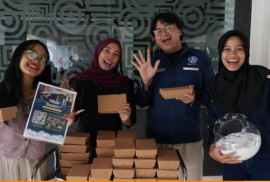
UGM students empower PKK Lestari Ngalian to turn traditional empon-empon crops into innovative food products with economic value.
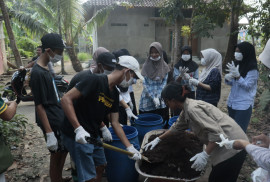
UGM students create organic fertilizer from livestock and household waste to cut chemical fertilizer use and empower rural communities.
UGM psychologist Dr. Rahmat Hidayat highlights the effects of father absence on children’s emotional, social, and cognitive development.
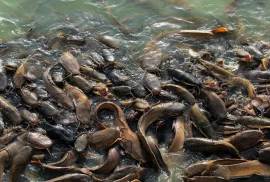
UGM students develop Smart Fish Sorter, a sensor-based tool to automate catfish sorting and improve farmers’ productivity.
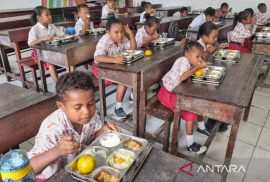
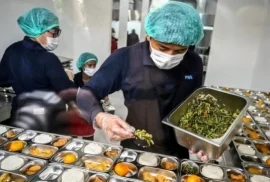
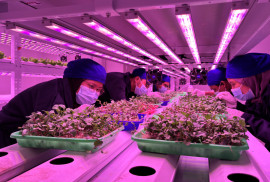
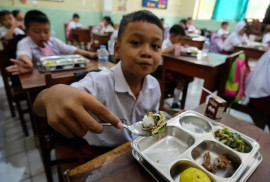
UGM students develop microalgae-based microgreens to boost nutrition and food safety in Indonesia’s Free Nutritious Meal (MBG) program.
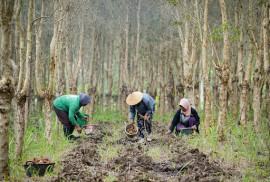
UGM expert emphasizes that social forestry permits should apply to degraded or unproductive forest areas to ensure sustainable management.
UGM lecturer supports digital innovation and modernization to strengthen Indonesia’s food security amid global food crisis concerns.
UGM faculties support students during midterm exams with free breakfast, eggs, and counseling to boost morale and academic performance.
UGM expert explains the difference between food allergy and poisoning and provides first aid tips to prevent severe cases in the MBG program.
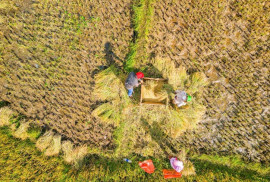
UGM introduces Presokazi rice, a food security innovation derived from the Gamagora rice variety developed through sustainable research.
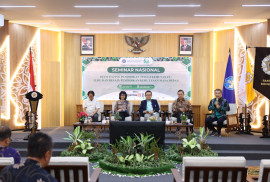
Animal Science UGM opens its 56th Anniversary series, highlighting functional animal-based foods to support Indonesia Emas 2045.
UGM’s expert warns that students cannot detect unsafe food in the Free Nutritious Meal program and calls for stricter processing controls.
UGM Professor urges that Indonesia’s Free Nutritious Meal Program be managed through school canteens to ensure food safety and prevent rent-seeking.
UGM’s GO SOUTH 2025 urges stronger Global South cooperation amid geopolitical turbulence, reaffirming the enduring relevance of the Bandung Spirit.
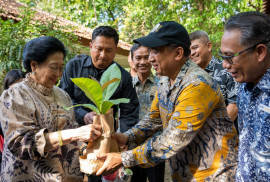
Former President Megawati Soekarnoputri revisits Wanagama Forest and receives a Jatimega tree, 20 years after her first visit.
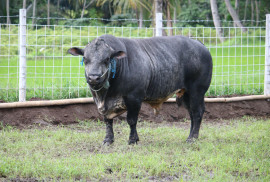
Gama Cattle, developed by UGM and WMPP, was officially recognized as a new beef cattle breed by Indonesia’s Ministry of Agriculture.
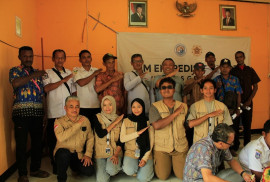
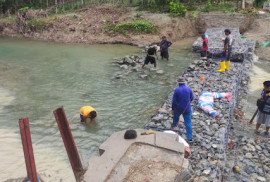
KKN-PPM UGM restored the Uvenja Weir in Donggala after a 14-year hiatus, reviving irrigation for 28 hectares of farmland and enhancing local food security.
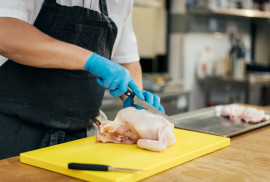
UGM researchers investigate the impact of knife sharpness and certified halal slaughterers on chicken meat quality and animal welfare.
UGM anthropologist highlights porang’s potential as a healthy, affordable food source to support rural welfare and strengthen national food security.
UGM sociologist Dr. Fina Itriyati and Professor Vedi Hadiz warn that growing inequality is weakening Indonesia’s democracy, fueling an era of public discontent.
UGM Professor Sri Raharjo emphasizes that weak oversight and rushed targets in the Free Nutritious Meals (MBG) program pose a risk of recurring food poisoning cases.
UGM economist Wisnu Nugroho says that IDR 200 trillion in fund placement in banks may ease liquidity, but it will not directly drive real sector growth.
UGM presented a book on sustainable partnerships at the KHDTK Blora-Ngawi event during the inauguration of the Watu Macan Reservoir, in collaboration with the Pertamina Foundation.
UGM student team researches Javanese pranata mangsa knowledge among farmers and fishers in DIY as a strategy for climate change adaptation.
UGM PR Office promotes food research downstreaming through a talk show on sustainable food security, highlighting innovations like Gamagora 7 rice.
UGM students develop Pasto-Milk, an automatic milking and pasteurization device to boost efficiency, milk quality, and farmers’ competitiveness.
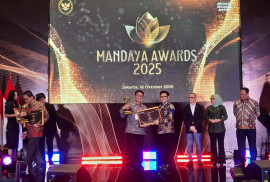
UGM secured third place nationally with 48 funded proposals in the 2025 Research Downstreaming Program, thereby strengthening its role in innovation and the achievement of the SDGs.
FTP UGM marks its 62nd anniversary with substantial achievements and a renewed commitment to advancing national food sovereignty through innovation.
CPMH UGM reveals that women face suicide risks driven by double burdens, economic pressure, and social stigma, calling for comprehensive prevention.
UGM’s Supriyanta dedicates his life to rice breeding, developing Gamagora 7 as an innovation to support farmers’ welfare and national food security.