Research and Innovation
UGM introduces Presokazi rice, a food security innovation derived from the Gamagora rice variety developed through sustainable research.
UGM students create Orside, a portable fluorescence-based AI device to accelerate early oral cancer detection and improve patient comfort.
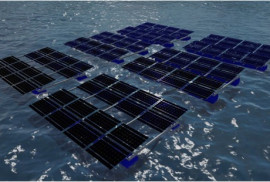
UGM anthropologist joins global research on floating solar panels in Tanakeke Island, empowering women in renewable energy management.
UGM students find that antipsychotic drugs may inhibit fungal resistance mechanisms, offering a new, affordable therapy against Candida albicans.
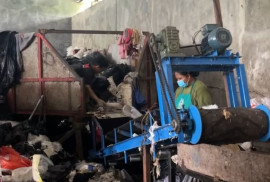
UGM students develop a community-based waste management model combining local participation and business innovation for sustainable solutions.
UGM students develop biodegradable plastic made from banana peels, offering a zero-waste innovation to help reduce plastic pollution.
UGM and ViriyaENB are studying the electrification of airport and port vehicles to reduce emissions and support Indonesia’s 2060 net-zero target.
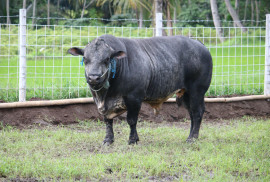
Gama Cattle, developed by UGM and WMPP, was officially recognized as a new beef cattle breed by Indonesia’s Ministry of Agriculture.
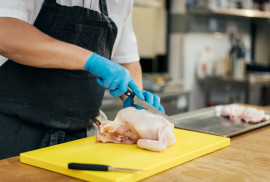
UGM researchers investigate the impact of knife sharpness and certified halal slaughterers on chicken meat quality and animal welfare.
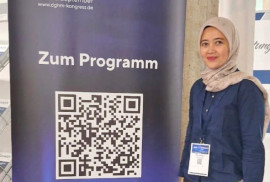
UGM doctoral student Tiara Putri wins Poster Prize at the German Society for Hygiene and Microbiology Conference for her research on pneumococcal meningitis.
UGM student team researches Javanese pranata mangsa knowledge among farmers and fishers in DIY as a strategy for climate change adaptation.
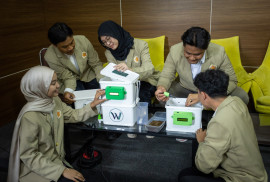
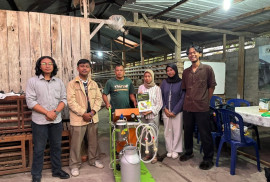
UGM students develop Pasto-Milk, an automatic milking and pasteurization device to boost efficiency, milk quality, and farmers’ competitiveness.
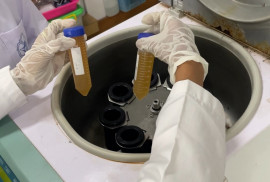
UGM student research reveals the potential of rosemary extract as an herbal therapy for acute kidney injury, offering hope beyond supportive care.
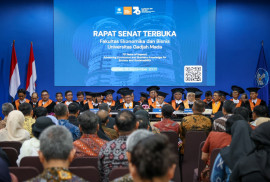
FEB UGM launches the Sustainable Business School Framework to embed sustainability in education, research, and community service.
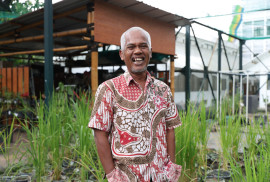
UGM’s Supriyanta dedicates his life to rice breeding, developing Gamagora 7 as an innovation to support farmers’ welfare and national food security.
A UGM student team researches the rise of “Angry Communities” on X, exploring their role as both safe and toxic spaces within Indonesia’s digital ecosystem.
UGM student research team maps cultural vulnerabilities in Osing Traditional Village, Banyuwangi Regency, to strengthen community-based preservation.
UGM students innovate eco-friendly polybag pots from banana pseudostem waste, offering a sustainable alternative to plastic seedling media.
UGM orchid expert Professor Endang Semiarti stresses collaborative conservation efforts to protect Indonesia’s rich orchid diversity.
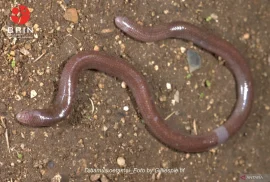
UGM’s biologist and students identify Dibamus oetamai, a new blind skink species endemic to Buton Island, highlighting the urgency of forest conservation.
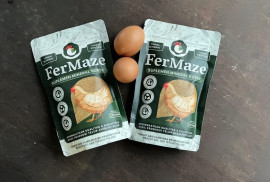
UGM students develop Fermaze, an innovative supplement that converts poultry waste into sustainable, protein-rich feed for laying hens.
UGM and BRIN researchers collaborate to apply nuclear technology for fruit pest control, enhancing horticultural exports and supporting local farmers.
UGM and Bukit Asam unveil Potassium Humate, an innovative soil enhancer derived from low-calorie coal, offering higher fertilization efficiency and improved root growth.
UGM student start-up Renou innovates by recycling HDPE plastic waste into furniture, tackling Yogyakarta’s waste crisis with sustainable solutions.
Semar UGM gears up for the 2025 Energy-Efficient Car Contest in Jember, unveiling electric models and aiming to defend their title with partner support.
UGM showcases ROADSTER, an AI-based road damage detection tool, at KSTI Bandung, reinforcing UGM’s commitment to digital infrastructure and research downstreaming.
UGM launches TBScreen.AI, Indonesia’s first AI-powered TB screening app, boosting early detection and supporting Sustainable Development Goals.
UGM researchers create fermented milk-based functional food to prevent metabolic syndrome and support gut health with indigenous probiotic strains.
UGM researcher finds cinnamon and kaffir lime essential oils improve Se’i sapi’s quality and shelf life, offering a natural solution for meat preservation.
UGM study reveals magma's potassium content determines if Java volcanoes form complex or caldera shapes, crucial for predicting large eruptions and disaster preparedness.