


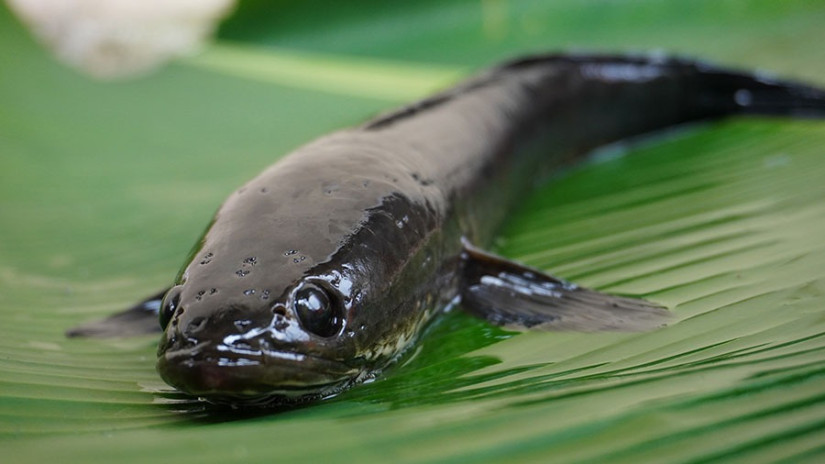
The nutritional richness of snakehead fish has strengthened its position as a potential superfood rich in functional food components. In particular, snakehead fish extract is often recommended during post-surgery recovery because of its high albumin and other protein content. However, the fish remains relatively uncommon in the average diet due to its limited availability in the market.
Dr. Indun Dewi Puspita, a lecturer in Fisheries Product Technology at UGM’s Faculty of Agriculture (Agriculture UGM), explained that snakehead fish contains slightly more protein than other freshwater fish. While most animal-based protein sources contain around 20 percent protein, snakehead fish can reach 23-25 percent protein.
“Snakehead fish may not be commonly consumed by the public. It does have its own market segment,” she said on Monday (Jun. 8).
According to Indun, one of the main reasons people seek out snakehead fish is its high albumin content. She explained that albumin is an important protein that helps support cell regeneration, maintain fluid balance in the bloodstream, and facilitate the distribution of nutrients, including vitamins and minerals.
She noted that the high albumin levels found in snakehead fish are believed to be related to their habitat in swamps and muddy waters with relatively low oxygen levels. These environmental conditions have led the fish to adapt by producing more albumin.
“People usually look for albumin, for example, after surgery. Albumin can help accelerate cell regeneration,” she explained.
In addition to albumin, snakehead fish contains various other beneficial nutrients, including vitamins, minerals, and omega-3 unsaturated fatty acids. Although marine fish generally contain higher levels of omega-3, Indun believes snakehead fish still compares favorably with most other freshwater fish.
Because of its health benefits, many snakehead fish extract supplements are now available on the market. However, consuming the fish directly remains more beneficial because it provides a wider range of nutrients.
“By consuming the fish itself, we can obtain its other nutrients as well. For example, several reports have highlighted its unsaturated fatty acid content,” she said.
When preparing snakehead fish, Indun advised the public to avoid excessively high cooking temperatures to prevent damage to its protein and other nutrients. She recommended cooking methods such as steaming or making soup. These methods are preferable to prolonged frying or grilling, which can damage the fish’s nutritional structure.
Despite its high nutritional value, the utilization of snakehead fish still faces several challenges. One of them is the limited supply, which largely depends on wild catches. Indun noted that, unlike catfish or tilapia, which are widely farmed, snakehead fish is still rarely cultivated on a large scale.
According to Indun, this situation presents opportunities for research and innovation, particularly in hatchery technology, grow-out systems, and aquaculture development. Such efforts are important for maintaining sustainable wild populations while increasing availability for consumers.
“It is important to preserve this fish in its natural habitat. The concern is that excessive exploitation could eventually lead to its disappearance,” she said.
Beyond production, Indun believes there is considerable room to expand the range of processed snakehead products. To date, its use has generally been limited to direct consumption or albumin extract products.
However, the fish has significant potential for technological innovation in food processing. Such developments could encourage consumption not only during illness but also as part of a regular diet to enhance nutritional intake.
Indun also highlighted the importance of public education in addressing misconceptions. The physical appearance of snakehead fish, which differs from that of more commonly consumed fish species, may influence consumer interest.
“If fish supplies increase and processing technologies diversify product offerings, public consumption will rise, allowing the fish to be utilized more optimally,” she said.
In closing, Indun emphasized the importance of increasing fish consumption among the public. She noted that fish consumption levels in the Special Region of Yogyakarta (DIY) remain relatively low compared with several other regions in Indonesia, despite the area’s abundant fisheries resources.
“Regardless of the species, all fish provide high-quality protein. People can start by adding fish to their meals at least twice a week so they can enjoy its nutritional benefits,” she concluded.
Author: Hanifah
Editor: Gusti Grehenson
Post-editor: Jasmine Ferdian
Photo: Fadhil Nugraha / Mongabay