


A total of 29 Universitas Gadjah Mada (UGM) students participating in the Cakrawala Rote 2026 UGM Community Service Program (KKN-PPM UGM) have officially begun their community engagement activities on Indonesia’s southernmost island, Rote Island, located in Rote Ndao Regency, East Nusa Tenggara Province. Over the next 50 days, the students will implement various community empowerment programs in two villages: Daiama Village in Landu Leko District and Serubeba Village in East Rote District.
The coordinator of the Rote Ndao KKN unit, Muhammad Abel Fajri, explained that the team is implementing programs focused on human resource development and technology transformation based on local wisdom to support the agriculture, aquaculture, tourism, and sustainable creative economy sectors.
“We have designed around 140 work programs covering various fields, including the development of salt production centers,” said Abel in a statement sent to reporters on Wednesday (Jun. 24).
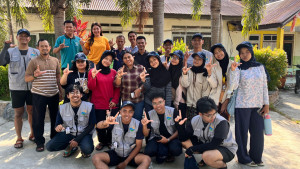
Although the team has prepared hundreds of community service programs, their implementation will be adjusted to local needs through discussions and coordination with village governments and residents.
“We want to ensure that the programs we carry out are truly relevant and beneficial to the community. Therefore, all activity plans will continue to be adapted based on local conditions and needs,” explained the Geophysics student batch 2023.
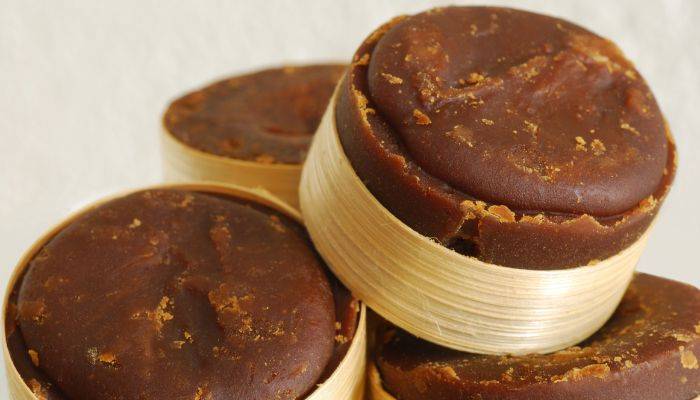
Based on preliminary survey results, the students identified several local potentials that can be further developed through community empowerment programs. One of them is palm sugar production, which has long been a flagship commodity for Rote.
“Through mentoring activities, we plan to help improve hygiene standards in the production process and develop packaging techniques to enhance product quality and competitiveness,” Abel added.
In addition, the natural and cultural tourism potential of Rote Ndao is considered highly promising for development through community-based approaches and the appropriate use of digital technology.
“The various programs we have prepared are expected to strengthen community capacity while promoting sustainable local economic development,” he said.
The arrival of the UGM KKN-PPM students was warmly welcomed by the Rote Ndao Regency Government. Rote Ndao Regent Paulus Henuk expressed his appreciation to Universitas Gadjah Mada for its continued commitment to supporting regional development through community service activities.
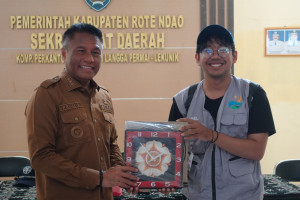
According to Paulus, the areas where the students are assigned form part of a national salt industry center that is currently undergoing significant development. This condition provides opportunities for students to conduct research and community engagement activities relevant to local needs.
“This region is undergoing a process of transformation and development. Therefore, the presence of students is expected to contribute ideas, innovations, and assistance that align with community needs,” he said while welcoming the students at the Rote Ndao Regency Government Office on Monday (Jun. 22).
Paulus also noted that Rote Ndao shares a strong historical connection with UGM, including through Professor Herman Yohannes, one of Rote’s most distinguished figures, who served as UGM’s second rector.
“Students have the opportunity to learn firsthand in Indonesia’s southern frontier region, which possesses extraordinary cultural, historical, and natural resource wealth,” he said.
The field supervisor for the Cakrawala Rote 2026 KKN-PPM UGM team, Dr. Heri Santoso, also reminded students that KKN is a learning space that extends beyond program implementation and emphasizes learning alongside the community.
“KKN is an opportunity to learn within the community, alongside the community, and for the community. During KKN, students are essentially studying at the University of the Universe, the Faculty of Life, in the Department of the Straight Path,” he remarked.
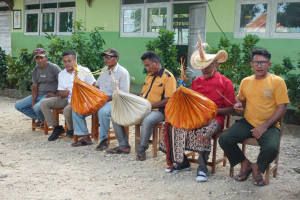
The presence of the KKN-PPM UGM team in Rote Ndao has also received support from the East Nusa Tenggara Regional Board of UGM Family Alumni (KAGAMA UGM), KAGAMA Rote Ndao, the Rote Ndao Regency Government, district administrations, and village governments in the KKN locations. The welcoming ceremony in Serubeba Village was held enthusiastically, featuring a live performance of the traditional sasando instrument as a symbol of the hospitality of the Rote people.
Through this community service program, students are expected not only to contribute to society but also to gain meaningful learning experiences that strengthen their social awareness, collaborative skills, and leadership capacity as future leaders. Furthermore, through the synergy among students, KAGAMA UGM, local governments, and community members, the KKN program is expected to generate a positive impact on regional development while serving as a tangible implementation of the Tri Dharma of Higher Education in empowering communities and building Indonesia from its frontier regions.
Author: Lintang Andwinya / Cakrawala Rote KKN-PPM Team
Editor: Gusti Grehenson
Post-Editor: Priyanandaningrat
Photo: Cakrawala Rote KKN-PPM Team Documentation and arengaindonesia.com