


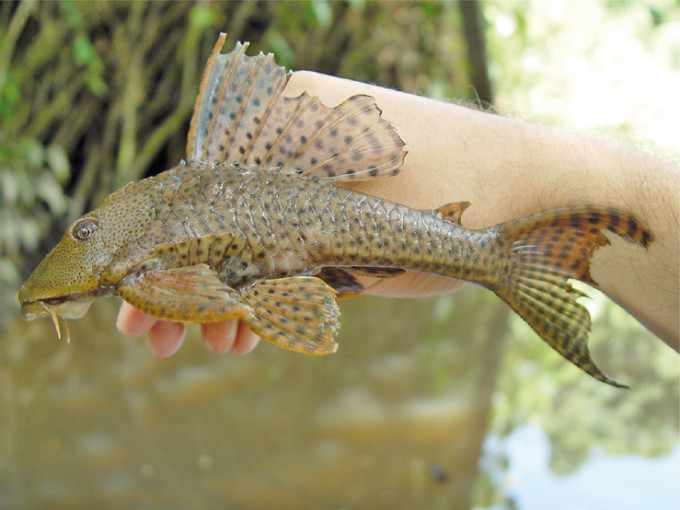
Suckermouth catfish (Hypostomus plecostomus) are currently being eradicated after being labeled as pests in lakes and rivers. Recently, the eradication of 10 tons of suckermouth catfish in Jakarta has added to the troubling record of this species’ invasion, following its spread from the Kresek River in Kediri to Lake Limboto in Gorontalo. The dominance of suckermouth catfish threatens the survival of endemic fish and disrupts the ecological balance of Indonesia’s rivers.
Responding to the eradication of this species, Professor of Fisheries and Marine Biotechnology at UGM’s Faculty of Agriculture (Agriculture UGM), Professor Alim Isnansetyo, emphasized that efforts to eliminate suckermouth catfish must be carried out in a comprehensive and holistic manner. Controlling this invasive population must also be conducted continuously.
“Fishing efforts must be sustained and ongoing. Not just once a year, but perhaps once a month to prevent the population from surging again,” he said on Thursday (Apr. 30).
However, Professor Isnansetyo explained that large-scale capture efforts would only serve as a temporary solution if environmental conditions remain poor. Therefore, he urged improvements in environmental quality.
“We must improve the quality of the environment, which is currently polluted. Without improving water quality, native fish will not survive, while suckermouth catfish will continue to dominate because they have no natural predators and can tolerate poor and contaminated water conditions,” he added.
Furthermore, Professor Isnansetyo highlighted the importance of restocking or reintroducing endemic fish species.
“After the environment has improved, reintroducing species becomes key to restoring ecosystem balance,” he explained.
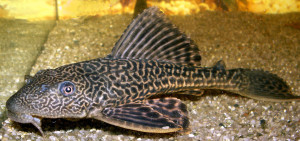
From a social perspective, Professor Isnansetyo also underscored the importance of behavioral change among the public. He urged fish hobbyists not to release suckermouth catfish into nearby waters.
“This species originally comes from South America and was traded as an ornamental fish. When they grow larger, some hobbyists release them into public waters, or they may escape unintentionally. This is dangerous, as it marks the beginning of their rapid reproduction in surrounding waters,” he stressed.
In addition to ecosystem threats, Professor Isnansetyo also issued a strong warning regarding the consumption of suckermouth catfish. He emphasized that in Indonesia, this species is not cultivated for consumption. Its non-cultivated status makes it difficult to guarantee its food safety standards.
“Do not consume suckermouth catfish. Instead, consume fish that are intentionally farmed using proper aquaculture practices. These fish typically live in polluted waters, and the risk of heavy metal contamination in their flesh is very high,” he explained.
Moreover, Professor Isnansetyo does not recommend processing fish caught from polluted rivers for other purposes. According to him, if the fish are contaminated, they are not only harmful to humans but also dangerous to animals when used as feed or fertilizer.
“We must pay attention to animal welfare principles to ensure that we do not provide toxic feed to other living beings,” he emphasized.
As a safe disposal measure, Professor Isnansetyo recommends burying the fish rather than utilizing them speculatively.
“If contamination has been confirmed, the captured fish should be buried or incinerated. This is necessary to prevent harmful residues or contaminants from polluting the environment,” he concluded.
Author: Aldi Firmansyah
Editor: Gusti Grehenson
Post-editor: Jasmine Ferdian
Photo: Wikipedia