


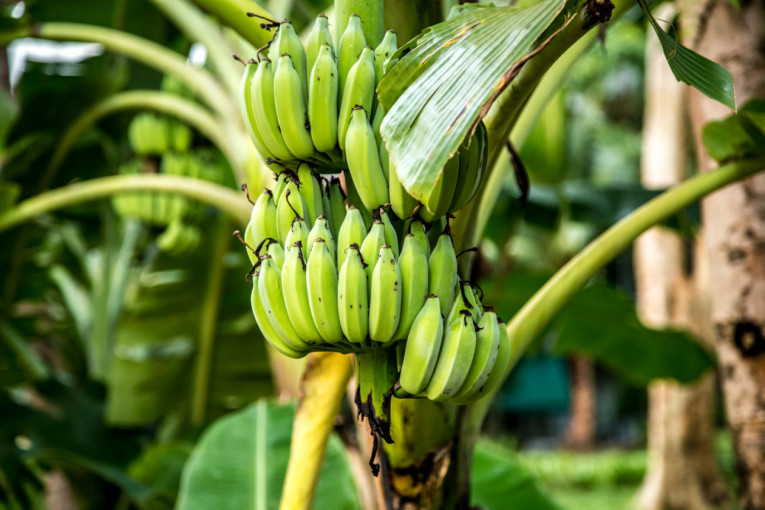
Researchers from Universitas Gadjah Mada (UGM), Indonesia’s National Research and Innovation Agency (BRIN), the Gunungkidul branch of the Indonesian Medical Association (IDI), and Panti Rahayu Hospital are promoting the use of locally available foods to improve maternal and child nutrition as part of a community-based effort to prevent stunting in Gunungkidul, Yogyakarta.
Now entering its second year, the initiative encourages communities in Paliyan Subdistrict to make better use of two widely available local foods—tempeh and bananas—to support the nutritional needs of pregnant women, breastfeeding mothers, and young children during the critical first 1,000 days of life.
“Pregnancy is a critical period that shapes a child’s growth and development. Ensuring pregnant women receive adequate nutrition is one of the best investments we can make to prevent stunting,” said Dr. Digna Niken Purwaningrum, program leader from UGM’s Faculty of Medicine, Public Health, and Nursing (FK-KMK UGM), on Wednesday (July 22).
Dr. Purwaningrum explained that the program builds on the nutritional potential of foods that are already part of the local diet. Tempeh provides high-quality plant protein along with iron, calcium, zinc, folate, B vitamins, and bioactive compounds produced through fermentation. Utri bananas contribute carbohydrates, dietary fiber, potassium, vitamins B6 and C, and antioxidant-rich phenolic compounds.
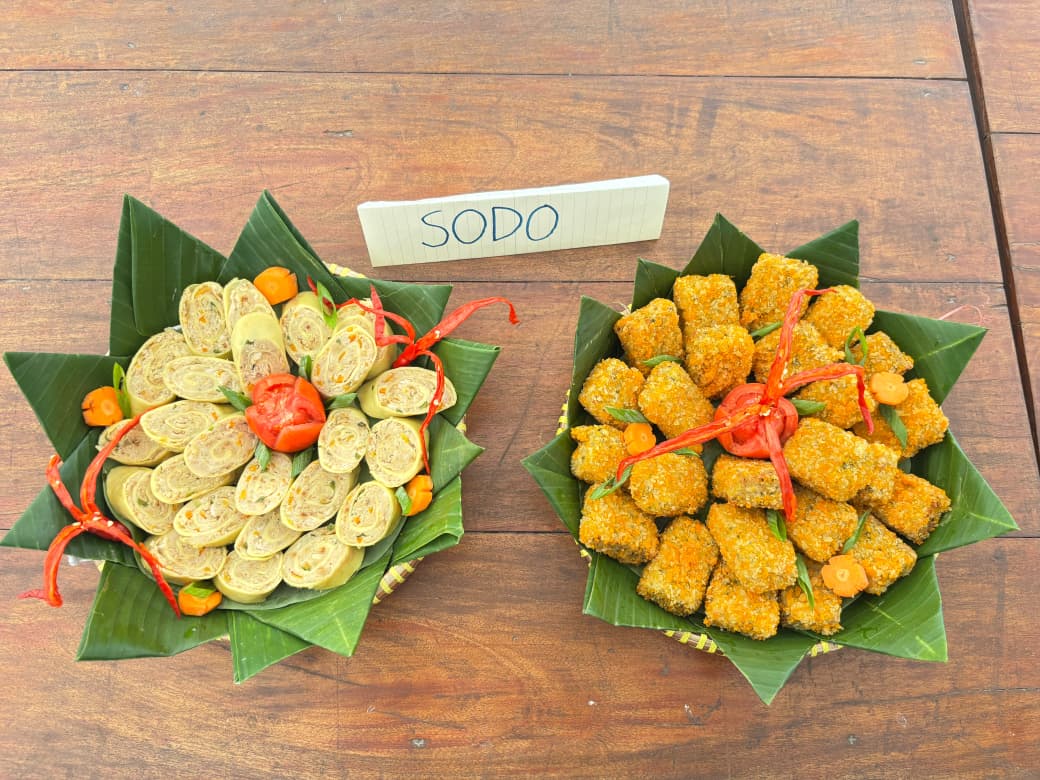
Working with BRIN’s Research Center for Food Technology and Processing, the team transformed these ingredients into supplementary foods tailored to pregnant women at risk of chronic energy deficiency and anemia.
“The combination of macronutrients, micronutrients, and bioactive compounds found in tempeh and bananas can help meet the nutritional needs of pregnant and breastfeeding mothers while supporting stunting prevention through a balanced diet,” she said.
Following a successful first year, the program expanded in 2026 to five additional villages—Giring, Grogol, Mulusan, Pampang, and Sodo—and broadened its focus to include breastfeeding mothers. In addition to maternal nutrition, the program now provides education on exclusive breastfeeding and age-appropriate complementary feeding.
During 2025, the team developed locally produced supplementary foods, trained community health volunteers, and distributed nutrition packages 24 times to 51 pregnant women across seven villages served by the Paliyan Community Health Center.
To launch the second phase, FK-KMK UGM and its partners organized a kick-off meeting in May at the Paliyan Subdistrict Hall, where local stakeholders agreed on implementation strategies while reaffirming their commitment to cross-sector collaboration in tackling stunting.
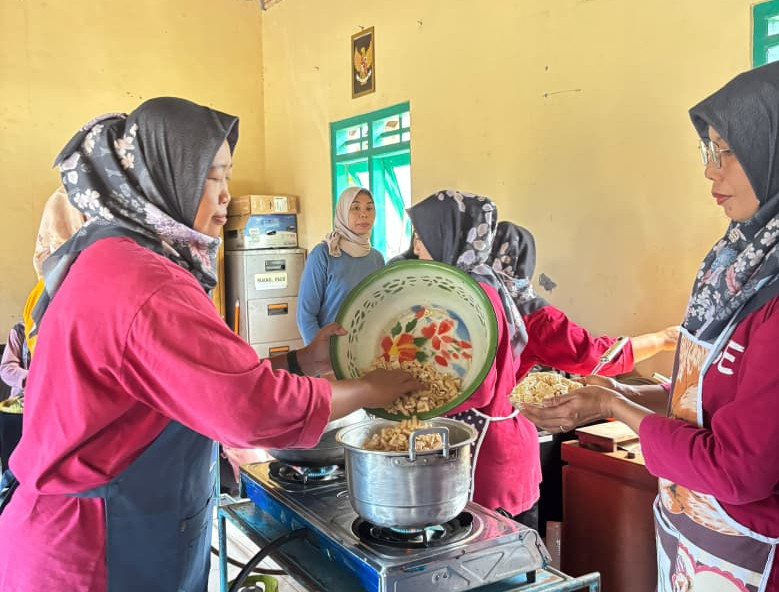
One of the program’s major innovations this year is the introduction of a peer trainer model. Under this approach, community health volunteers and mothers who participated in the first year now train volunteers in newly participating villages, allowing knowledge to spread through trusted members of the community.
“Besides accelerating knowledge sharing, the peer trainer approach strengthens community ownership, enabling local communities to sustain the program independently,” Dr. Purwaningrum said.
She emphasized that lasting improvements in maternal and child nutrition depend on solutions designed around local needs and supported by strong partnerships among universities, researchers, healthcare providers, local governments, and communities.
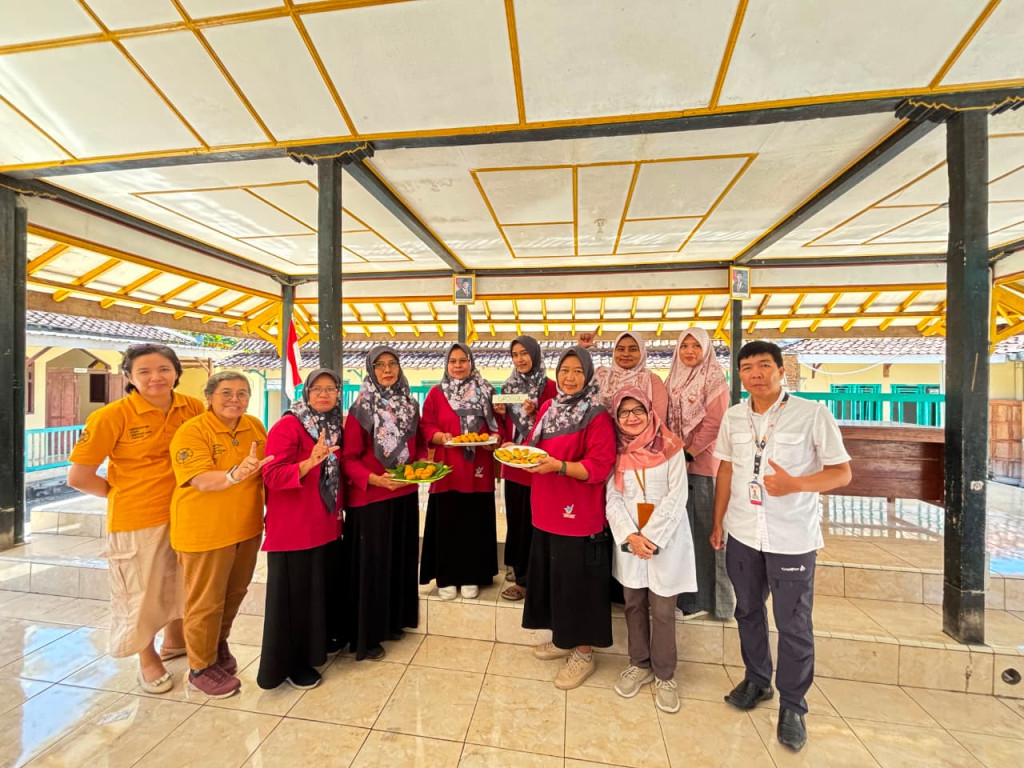
Looking ahead, the research team hopes the initiative will demonstrate that locally available foods can play a significant role in preventing stunting when processed into nutritious and culturally acceptable products. They also expect the innovation to serve as a model for supplementary feeding programs in other regions while creating opportunities for local economic empowerment.
“We hope this collaboration will continue to grow through future community empowerment initiatives,” she concluded.
Reporter: Nofathana Saputra and Muhammad Ilham Gibran / FK-KMK
Author: Jesi
Editor: Gusti Grehenson
Post-Editor: Jasmine Ferdian
Photo: Documentation of FK-KMK Community Service Team and Magnific