


Microplastic contamination has been found in drinking water and even in commercial feed ingredients for broiler chickens. Microplastic particles that enter livestock bodies are known to trigger oxidative stress, damage the digestive tract, disrupt nutrient absorption, and reduce animal growth performance. In addition to affecting animal health, this condition also poses potential risks to humans through trophic transfer when livestock products are consumed.
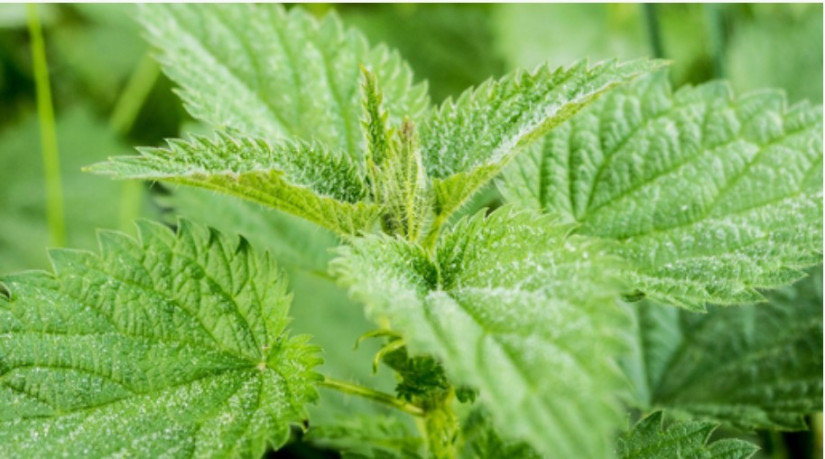
A team from Universitas Gadjah Mada (UGM) has developed an innovative natural feed additive based on nanoparticles derived from kirinyuh leaves (Chromolaena odorata). The product is designed with a dual mechanism: serving as a natural adsorbent to bind microplastics in the digestive tract while also acting as a source of natural antioxidant compounds.
The innovation was developed by a team participating in the Student Creativity Program for Exact Sciences Research (PKM-RE), led by Fauzan Akbar Nugroho, an Animal Science and Industry student from the 2024 batch. The research also involves interdisciplinary collaboration among students from various faculties at UGM under the supervision of Dr. Moh. Sofi’ul Anam.
The team consists of Fauzan Akbar Nugroho and Dhiaz Larasati from the Faculty of Animal Science, Dimas Jati from the Vocational College, Muhammad Fazli from the Faculty of Biology, and Nabilla Saver from the Faculty of Pharmacy.
Fauzan said the innovation, developed through interdisciplinary collaboration, aims to provide a novel solution to the growing microplastic problem, which has become a serious threat to terrestrial food chains.
“The nanoscale particle size of this kirinyuh leaf-based product increases its surface area, enabling it to bind microplastics more effectively and facilitate their excretion through feces,” he said on Tuesday (June 9).
In addition, Fauzan explained that the flavonoids and phenolic compounds contained in kirinyuh leaves help suppress oxidative stress and maintain the health of intestinal tissues in livestock.
Fauzan hopes the research can serve as an innovative step toward supporting food safety and sustainable livestock productivity.
“Interdisciplinary research collaborations can contribute to the SDGs through food security, health, and environmental sustainability,” he said.
Contributor: Satria/Animal Science Public Relations
Author: Jelita Agustine
Editor: Gusti Grehenson
Post-editor: Rajendra Arya
Photo: PKM Team and Pixabay