SDG 12: Responsible Consumption and Production
UGM Professor warns of narcotics detected in vape liquids, urging the government to tighten regulations and strengthen public health education.
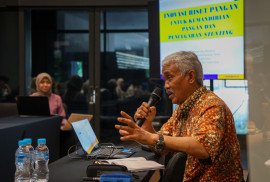
UGM PR Office promotes food research downstreaming through a talk show on sustainable food security, highlighting innovations like Gamagora 7 rice.
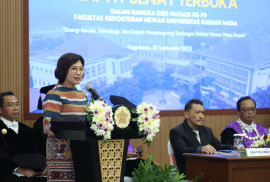
UGM’s Faculty of Veterinary Medicine highlights the role of veterinarians in One Health and sustainable food security at its 79th anniversary celebration.
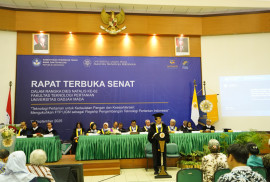
UGM awards a doctorate to Shinta Dewi Novitasari for research on Gen Z food waste behavior and its impact on sustainable food security.
Universitas Musi Rawas lecturer Wasir Ibrahim earned his doctorate at UGM, focusing on research on neem-based zinc nanoparticles as feed additives for broiler chickens.
Experts highlight the potential of a consumption tax on sugar-sweetened beverages to reduce health risks, curb high sugar intake, and strengthen social protection.
UGM economist warns that fuel shortages at private stations could trigger bankruptcies, layoffs, and hinder Indonesia’s economic growth.
UGM student research reveals the potential of rosemary extract as an herbal therapy for acute kidney injury, offering hope beyond supportive care.
UGM experts emphasize the importance of financial and tax literacy among MSMEs to enhance transparency, efficiency, and sustainability in business practices.
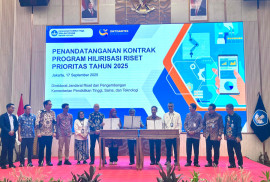
UGM secured third place nationally with 48 funded proposals in the 2025 Research Downstreaming Program, thereby strengthening its role in innovation and the achievement of the SDGs.
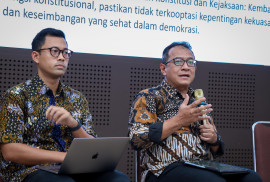
UGM economists outline seven urgent economic demands to address misallocated budgets, weak institutions, and inequality in Indonesia.
FTP UGM marks its 62nd anniversary with substantial achievements and a renewed commitment to advancing national food sovereignty through innovation.
UGM Professor urges the government to impose an excise tax on sugary drinks as diabetes cases rise to 11.3% in Indonesia, warning of serious health risks.
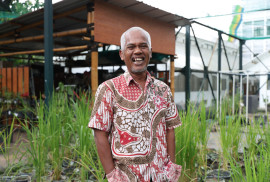
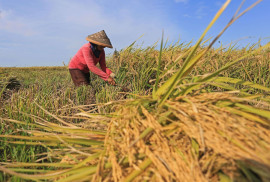
UGM’s Supriyanta dedicates his life to rice breeding, developing Gamagora 7 as an innovation to support farmers’ welfare and national food security.
UGM experts highlight the health risks of ultra-processed foods and call for innovation toward low-sugar, natural-based products to support public health.
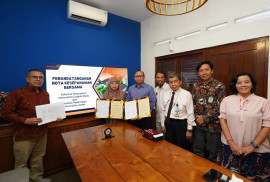
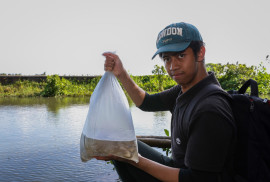
UGM, in collaboration with partners, released 5,000 yellow rasbora fish into the Baros River, Bantul Regency, to support conservation and food security.
UGM economist Dr. Fahmy Radhi urges the government to cancel the single-gate fuel import policy, warning it risks deterring foreign investment.
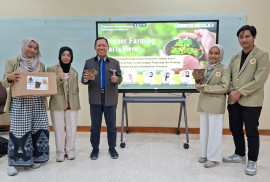
UGM students innovate eco-friendly polybag pots from banana pseudostem waste, offering a sustainable alternative to plastic seedling media.
UGM experts highlight health, nutrition, and injury prevention to support Yogyakarta’s vision as Indonesia’s leading wellness tourism destination.
UGM secures Semesta grant to advance “Strong Research for Food Security,” integrating science, policy, and community for food security.
UGM expert emphasizes the need for stronger human resources and technology to support Indonesia’s geothermal power plant development.
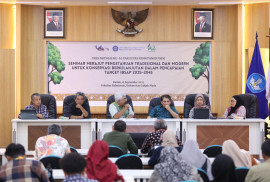
Experts emphasize the need to integrate local cultural wisdom and modern science in forest conservation to ensure sustainability.
UGM student joins Summer Enrichment Program in the Philippines to exchange knowledge on agricultural innovation and strengthen international collaboration.
UGM Animal Science students won the Best Formulation award and were First Runner-Up in the Animal Feed Formulation Competition at Universitas Hasanuddin.
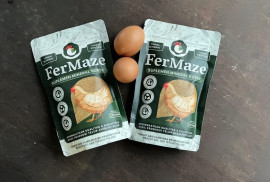
UGM students develop Fermaze, an innovative supplement that converts poultry waste into sustainable, protein-rich feed for laying hens.
Indonesia’s Agriculture Minister urges mechanization and digital transformation to increase rice productivity and strengthen food security.
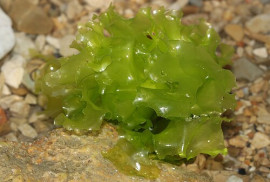
UGM students partner with Kemadang villagers to process Ulva seaweed into food products, boosting local women’s skills and economic resilience.
UGM expert highlights systemic weaknesses in food safety after MBG-related poisoning cases in Sleman and Lebong affecting hundreds of students.
UGM halal product expert Professor Abdul Rohman explains laboratory methods to detect possible pork oil content in imported MBG food trays.
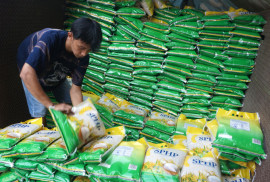
UGM economist warns digital-only SPHP rice distribution risks sidelining small traders, calls for logistics reforms and inclusive policies.