SDG 12: Responsible Consumption and Production
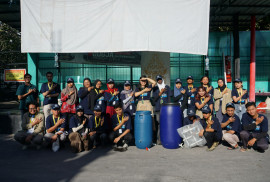
UGM distributes sacrificial animals and promotes sustainable meat packaging using teak leaves as part of Eid al-Adha community service activities.
UGM contributed two sacrificial cattle to the UGM Campus Mosque as part of its Eid al-Adha celebrations and community outreach.
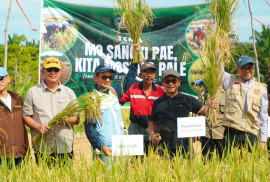
UGM’s Gamagora 7 rice variety is being tested in East Kalimantan to support rainfed farming and strengthen food security.
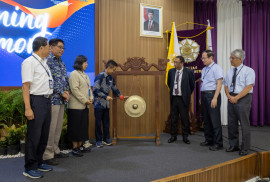
UGM and Agrinas Palma Nusantara partner to advance sustainable agriculture, food security, and the development of strategic commodities.
UGM’s Saekedelai program promotes smart farming to boost soybean production and reduce Indonesia’s reliance on imports.
UGM and BRIN advance maritime sovereignty through marine biodiversity research, innovation, and blue economy development.
UGM and the North Lombok Regency Government discussed collaboration on cultural heritage research, date palm cultivation, education, and community empowerment initiatives.
National milk production fulfills only 23 percent of Indonesia’s consumption demand, prompting calls for stronger collaboration.
UGM, the Ministry of Agriculture, and PT SGN collaborate to optimize KHDTK land for food and energy self-sufficiency.
BPH Migas ensures fuel availability and equitable distribution amid rising global oil prices and logistical challenges.
UGM professor calls for stronger national cattle breeding to reduce Indonesia’s dependence on imported beef cattle.
UGM students introduced Indonesian gastronomy tourism through regional culinary experiences from Sumatra to Papua.
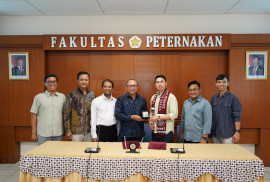
UGM and Toros Farm collaborate to optimize a chicken slaughterhouse for student training, research, and halal industry standards.
UGM students win second place with a tech-based innovation turning cheese whey waste into edible film to reduce food loss and waste.
Rupiah weakening may raise prices of essentials, transport, and energy, says UGM economist, urging fiscal discipline and export push.
UGM deploys 325 veterinary students to inspect sacrificial animals and meat during Eid al-Adha in Yogyakarta.
Bagi sebagian petani, gulma dianggap sebagai sumber masalah dalam pertanian dan perkebunan. Pasalnya serangan gulma menyebabkan penurunan hasil panen karena menghambat penyerapan nutrisi tan...
Survei status gizi Indonesia terbaru yang dikeluarkan Kementerian Kesehatan tahun 2025 menunjukkan prevalensi stunting di Indonesia masih berada pada angka 19,8 persen. Padahal pemerintah me...
UGM’s youngest PhD graduate develops sungkai leaf extract as a natural antibiotic alternative for broiler chickens.
Surging suckermouth catfish populations indicate worsening river pollution and threaten Indonesia’s aquatic ecosystems.
Penebaran kembali benih ikan di perairan dan sungai atau restocking bertujuan tidak hanya untuk menjaga populasi ikan, tetapi juga mencakup perlindungan ekosistem secara menyeluruh. Selain i...
Perdebatan mengenai usulan pembukaan izin bagi investor asing pada subsektor ayam petelur oleh Kamar Dagang dan Industri (Kadin), mengemuka di tengah pelaksanaan Program Makan Bergizi Gra...
UGM expert urges a stronger One Health approach to tackle zoonoses and ensure food safety and sustainability.
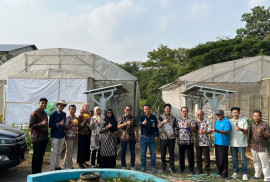
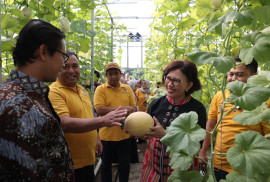
A retired UGM staff member stays active and earns income through hydroponic lettuce farming after retirement.
Wet organic waste poses a major challenge to Indonesia’s waste-to-energy projects, affecting efficiency and costs.
UGM Lokalogi team promotes waste sorting and food rescue during graduation to reduce surplus food and educate attendees.
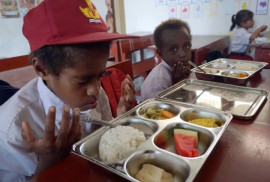
UGM professor raises food safety concerns in the MBG program after 33,626 reported student poisoning cases.
63% of Indonesia’s poultry distribution remains on Java, highlighting challenges in supply equity and food security.
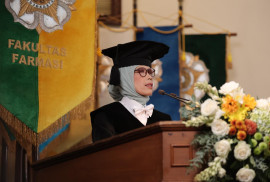
Professor Jaka Widada highlights holobiont-driven applied microbiology for food security and global health at UGM inauguration.
UGM expert explains how coffee’s health benefits depend on roasting, serving method, and the timing of consumption.