SDG 12: Responsible Consumption and Production
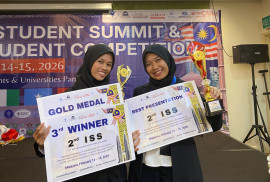
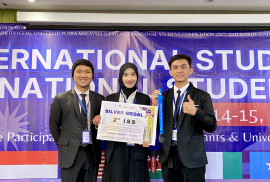
UGM’s FiNiX team wins first place and Best Team Presentation at the Industrial Spectrum 2025 White Paper Competition.
UGM students create Gelora, a portable and eco-friendly household waste incinerator equipped with carbon filtration and real-time monitoring.
UGM students’ research on rice field conversion in Yogyakarta reveals its potential threat to regional food sovereignty.
UGM students study environmental damage in the protected Guha Mountain karst area, revealing the impacts of mining and calling for sustainable management.
UGM students create IoT-based WormiBox to manage household organic waste efficiently and turn it into eco-friendly fertilizer.
UGM students develop a green ZnO nanoparticle feed additive from meniran leaves to reduce methane emissions and boost livestock productivity.
Former Foreign Minister Retno Marsudi urges global cooperation to anticipate future water, food, and energy crises at Astechnova 2025.
UGM students introduce eco-friendly composting innovation to help Playen residents manage organic waste and support climate action.
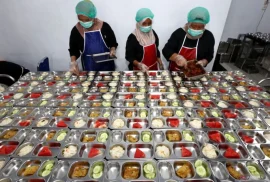
UGM expert explains the difference between food allergy and poisoning and provides first aid tips to prevent severe cases in the MBG program.
UGM introduces Presokazi rice, a food security innovation derived from the Gamagora rice variety developed through sustainable research.
UGM expert Dr. Prima Dewi Ratrikaningtyas urges Indonesian women to undergo breast cancer screening and early detection to reduce mortality rates.
UGM expert highlights forestry as Indonesia’s largest emission contributor and underscores the growing importance of carbon accounting.
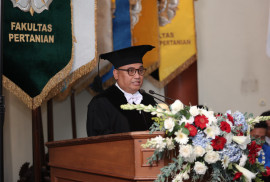
Animal Science UGM opens its 56th Anniversary series, highlighting functional animal-based foods to support Indonesia Emas 2045.
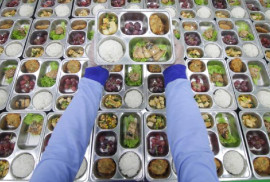
UGM Professor urges that Indonesia’s Free Nutritious Meal Program be managed through school canteens to ensure food safety and prevent rent-seeking.
UGM students develop a community-based waste management model combining local participation and business innovation for sustainable solutions.
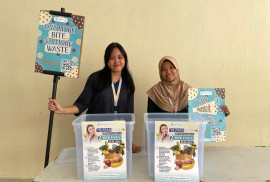
UGM’s Lokalogi Community launches a student waste bank to promote responsible consumption and waste management across campus.
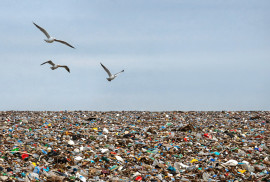
UGM students develop biodegradable plastic made from banana peels, offering a zero-waste innovation to help reduce plastic pollution.
UGM expert Professor Wiratni explains the opportunities and challenges of Indonesia’s Waste-to-Energy project, planned to operate in 2027.
A UGM study reveals that 87.81% of Indonesian MSMEs have yet to adopt green business practices, primarily due to financing, infrastructure, and regulatory barriers.
Gama Cattle, developed by UGM and WMPP, was officially recognized as a new beef cattle breed by Indonesia’s Ministry of Agriculture.
Child allergy cases in Indonesia continue to rise. A UGM pediatrician highlights causes, prevention, and the importance of accurate diagnosis.
KKN-PPM UGM restored the Uvenja Weir in Donggala after a 14-year hiatus, reviving irrigation for 28 hectares of farmland and enhancing local food security.
UGM researchers investigate the impact of knife sharpness and certified halal slaughterers on chicken meat quality and animal welfare.
UGM anthropologist highlights porang’s potential as a healthy, affordable food source to support rural welfare and strengthen national food security.
UGM Professor warns of narcotics detected in vape liquids, urging the government to tighten regulations and strengthen public health education.
UGM PR Office promotes food research downstreaming through a talk show on sustainable food security, highlighting innovations like Gamagora 7 rice.
UGM’s Faculty of Veterinary Medicine highlights the role of veterinarians in One Health and sustainable food security at its 79th anniversary celebration.
UGM awards a doctorate to Shinta Dewi Novitasari for research on Gen Z food waste behavior and its impact on sustainable food security.
Universitas Musi Rawas lecturer Wasir Ibrahim earned his doctorate at UGM, focusing on research on neem-based zinc nanoparticles as feed additives for broiler chickens.
Experts highlight the potential of a consumption tax on sugar-sweetened beverages to reduce health risks, curb high sugar intake, and strengthen social protection.