


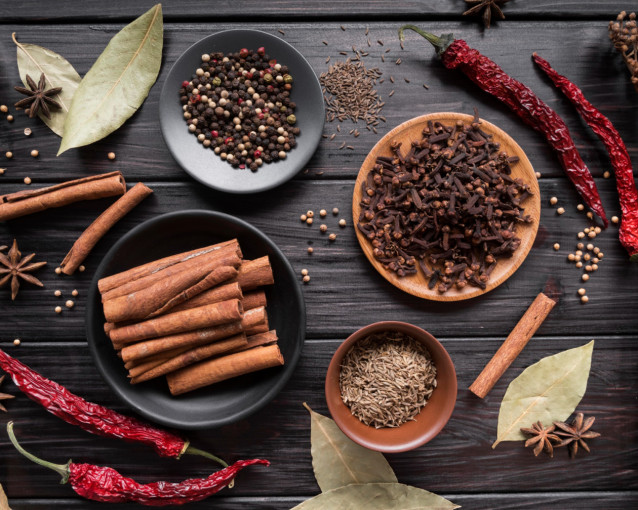
Indonesia has been recognized as a global hub of the spice trade for thousands of years, and it boasts invaluable genetic resources. Leading spice commodities, including nutmeg, cloves, cardamom, black pepper, cinnamon, ginger, turmeric, and coriander, exhibit remarkable morphological and genetic diversity that can be utilized to develop superior varieties. In addition, bioprospecting has revealed bioactive compounds with promise for functional foods, natural pharmaceutical products, and a sustainable bioeconomy, thereby increasing the global value of Indonesia’s spice commodities.
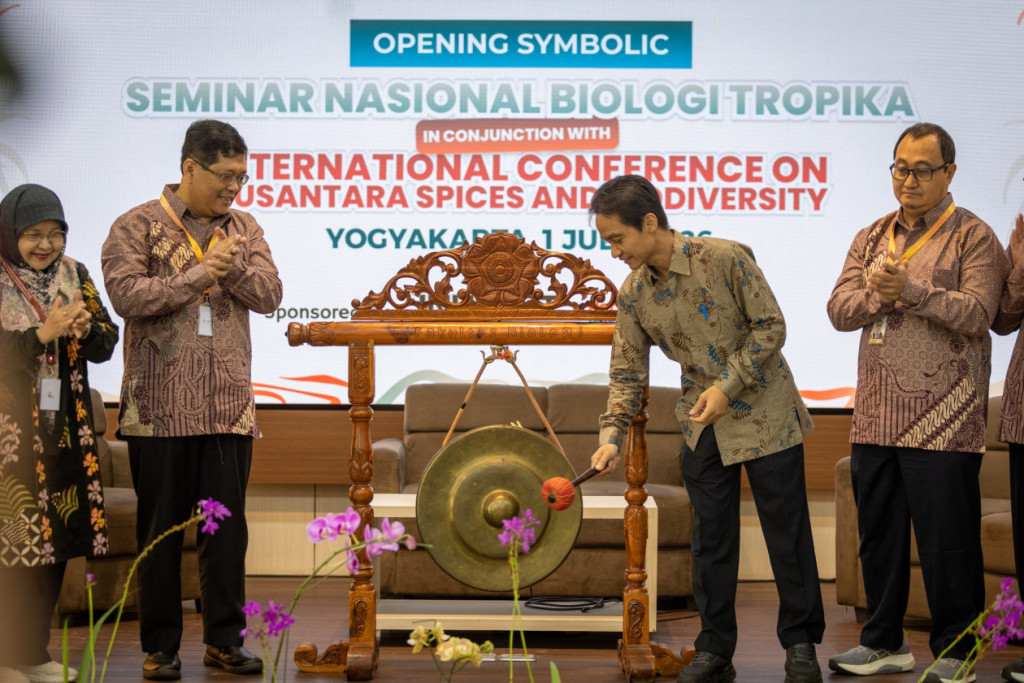
“Indonesia’s spices are not merely a historical legacy but also strategic resources that must continue to be developed through research so they can benefit public health, industry, and community welfare,” said Professor Budi Daryono, Dean of Biology UGM, during the 10th National Seminar on Tropical Biology, held in conjunction with the International Conference on Nusantara Spices and Biodiversity (ICNSB), under the theme Reviving the Glory of Nusantara Spices through Biodiversity Research and Sustainable Innovation at Biology UGM on Wednesday (Jul. 1).
According to the chair of the Indonesian Biology Consortium (KOBI), Indonesia’s genetic wealth in spices must be preserved through strengthened molecular research, bioprospecting, and genetic resource conservation. These efforts are essential not only for safeguarding the country’s spice biodiversity but also for laying the foundation for the development of functional foods, natural pharmaceutical products, and a sustainable bioeconomy that can enhance the global value of Indonesian spice commodities.
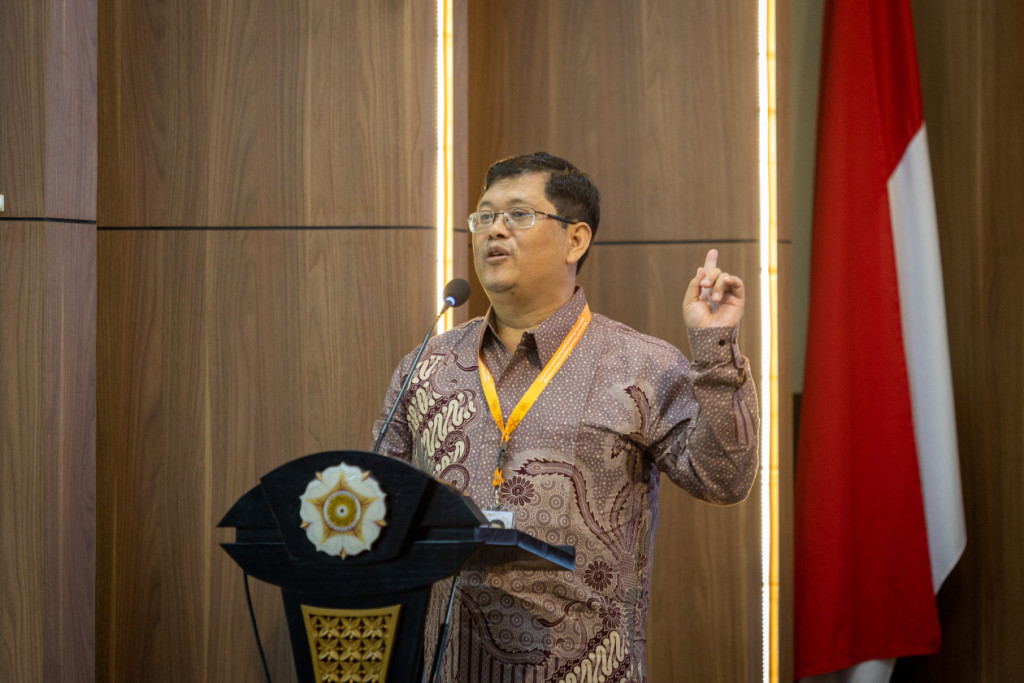
Professor Budi cited Sangihe nutmeg as one endemic spice commodity that deserves special conservation efforts. His research successfully identified five major morphotypes of Sangihe nutmeg: thick round, thin round, thick oval, thin oval, and twin-seeded. These findings provide important baseline data to support conservation initiatives.
“Through morphological approaches and molecular analysis, we can better understand the genetic diversity of spices as the basis for conservation and the development of superior varieties,” said Professor Budi.
The seminar also featured Professor Yaya from Universiti Putra Malaysia and Professor Chiharu from Mie University, who addressed various issues related to spices, including diseases and toxic compounds affecting spice crops, recent research findings, and the potential of Indonesian spices as a world heritage resource and a future bioeconomy asset.
Professor Chiharu explained that spice crops require proper protection because they are vulnerable to disease if not monitored regularly. The mechanisms behind plant diseases are fundamentally similar to those affecting animals, as both are caused by pathogens such as viruses and bacteria.
Professor Chiharu further presented a review of studies on diseases affecting spice crops in Indonesia. Based on published data, nine spice crop species have been reported to be affected by 34 distinct diseases.
“Across the nine spice crop species studied, 34 types of diseases have been identified,” Professor Chiharu said.
However, Professor Chiharu noted that most disease records for Indonesia’s spice crops were compiled before 1996. Consequently, information on disease distribution has become outdated. Changes in the scientific names of many pathogens have also made historical disease records more difficult to trace. This poses challenges for exporters; their spice products meet phytosanitary standards through treatments such as irradiation and heat processing. Therefore, disease data must be continuously updated to support farmers and businesses in managing spice production.
Professor Chiharu added that fungal diseases remain one of the greatest challenges in spice cultivation, particularly as farming systems continue to evolve. Effective disease control requires accurate diagnosis based on field observations. Highlighting the need to update pathogen taxonomy and conduct comprehensive pathogen inventories to improve disease management and diagnostic methods.
“Diseases affecting spice crops are not only a local concern but also a global issue,” Professor Chiharu concluded.
Professor Yaya of Universiti Putra Malaysia also presented one of his research findings on the potential use of Indonesian bay leaf (Syzygium polyanthum) as a natural food sanitizer. Food products are highly susceptible to contamination by bacteria and fungi that can cause foodborne illnesses. While the food industry has traditionally relied on chemical sanitizers, long-term use has prompted a search for safer, more environmentally friendly alternatives.
In his research, Professor Yaya found that Indonesian bay leaf extract effectively inhibits the growth of various bacteria, fungi, and yeasts responsible for food contamination. Besides suppressing microbial growth, the extract damages microbial cell walls, preventing further development. These findings demonstrate that spice plants have value beyond their culinary uses and can also serve as natural sources of antimicrobial compounds.
Using Indonesian bay leaf extract as a sanitizer does not alter the color, texture, or aroma of food products. Moreover, its effectiveness in controlling microbial growth remains stable throughout storage. Based on these findings, Professor Yaya believes the extract has strong potential to be developed as a natural sanitizer for washing food ingredients while helping extend product shelf life.
“These findings demonstrate that Indonesian bay leaf extract has the potential to be developed as a natural sanitizer for food handling and for preventing food spoilage during storage,” Professor Yaya concluded.
Author: Zabrina Kumara
Editor: Gusti Grehenson
Post-editor: Jasmine Ferdian
Photos: Donnie and Magnific